
United Kingdom Leather Goods Market Set to Reach US$ 15.44 Billion by 2034 Amid Luxury Demand and Sustainability Shift
Rising disposable incomes, digital retail expansion, and eco-conscious innovation are reshaping the UK’s leather goods landscape

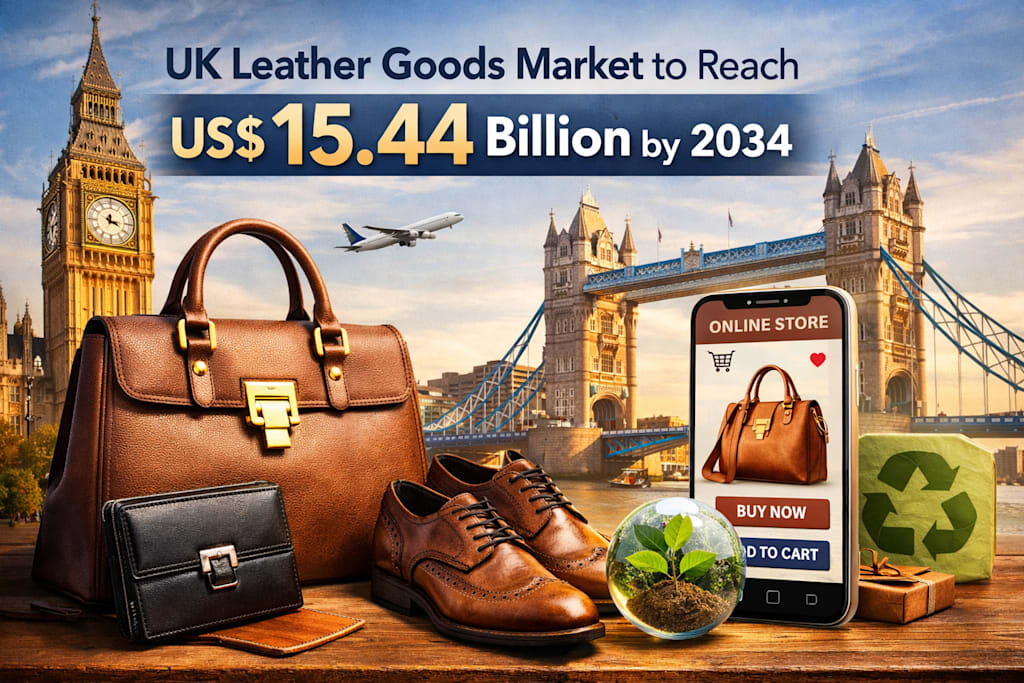
The United Kingdom’s leather goods market is entering a transformative decade, driven by a blend of heritage craftsmanship, modern retail dynamics, and evolving consumer preferences. According to recent insights from Renub Research, the market is projected to grow from US$ 9.70 billion in 2025 to US$ 15.44 billion by 2034, expanding at a compound annual growth rate (CAGR) of 5.30% during 2026–2034.
This steady upward trajectory reflects not only the enduring appeal of leather products but also the industry's ability to adapt to new trends such as sustainability, digital commerce, and premiumization. From luxury handbags to everyday accessories, leather goods continue to hold a unique place in British consumer culture.
A Market Rooted in Heritage and Craftsmanship
Leather goods have long symbolized quality, durability, and sophistication. In the UK, these attributes are amplified by a strong fashion heritage and a deep appreciation for craftsmanship. Products such as handbags, wallets, footwear, belts, luggage, and accessories are not merely functional—they are often viewed as long-term investments and style statements.
British consumers value the natural texture and longevity of leather, particularly the way it develops a patina over time. This perception of lasting value has sustained demand even in the face of economic fluctuations. The country’s association with high-end fashion and iconic design further strengthens the market’s global appeal.
Tourism also plays a significant role. Visitors frequently purchase leather goods as premium souvenirs or gifts, especially in major retail hubs like London. This consistent inflow of international buyers helps stabilize demand across both luxury and mid-range segments.
Key Growth Drivers Powering the Market
1. Strong Luxury Demand and Brand Heritage
One of the primary forces behind market growth is the UK’s robust luxury fashion ecosystem. Consumers associate leather goods with status, elegance, and reliability. High-end brands continue to capitalize on this perception through storytelling, craftsmanship, and exclusive collections.
Luxury leather goods—especially handbags, footwear, and travel accessories—benefit from aspirational buying behavior. Even during economic uncertainty, these products often retain demand due to their perceived long-term value.
The entry of new premium brands and expansion of existing players further intensify competition while broadening consumer choices. Strategic product launches and collaborations keep the market dynamic and trend-driven.
2. Rapid Expansion of E-Commerce and Digital Retail
The rise of e-commerce has fundamentally transformed how leather goods are marketed and sold. Consumers now enjoy access to a wide range of domestic and international brands through online platforms, brand websites, and digital marketplaces.
Key advantages of online retail include:
Convenience and accessibility
Transparent pricing and product comparisons
Detailed product descriptions and reviews
Easy return and exchange policies
Digital tools such as virtual try-ons, AI-powered recommendations, and influencer marketing have significantly enhanced the online shopping experience. Social media platforms also play a crucial role in shaping purchasing decisions, particularly among younger consumers.
Direct-to-consumer models are enabling smaller brands to compete effectively by reducing reliance on physical retail channels and improving margins.
3. Premiumization and Sustainability Trends
Modern consumers are increasingly prioritizing quality over quantity. This shift toward premiumization is driving demand for high-grade materials such as full-grain leather and handcrafted products.
At the same time, sustainability has emerged as a critical factor influencing buying behavior. Consumers are now more conscious of:
Ethical sourcing of raw materials
Environmental impact of tanning processes
Transparency in supply chains
As a result, brands are investing in eco-friendly innovations, including chrome-free tanning, recycled packaging, and bio-based leather alternatives. Customization services—such as monogramming and bespoke designs—are also gaining popularity, adding a personalized touch to premium products.
Challenges Facing the Industry
1. Environmental and Ethical Pressures
Despite its strengths, the leather goods industry faces increasing scrutiny over environmental and ethical concerns. Traditional leather production involves chemical-intensive processes that can have significant ecological impacts.
Regulatory frameworks are becoming stricter, requiring manufacturers to adopt sustainable practices and improve transparency. Compliance often leads to higher production costs, which can affect pricing and profitability.
Consumer awareness around animal welfare and carbon footprints is also growing. Brands that fail to address these concerns risk losing credibility and market share.
2. Competition from Synthetic Alternatives
The rise of synthetic and vegan leather products presents a formidable challenge. These alternatives are often:
More affordable
Lightweight
Marketed as cruelty-free and eco-friendly
Fast-fashion brands are particularly aggressive in promoting faux leather products, appealing to price-sensitive consumers. This intensifies competition, especially in the mid-range and mass-market segments.
To remain competitive, traditional leather brands must emphasize their unique value propositions—durability, craftsmanship, and heritage.
Segment Insights: Diverse Market Dynamics
Leather Footwear
Leather footwear remains a cornerstone of the UK market. Known for its durability, comfort, and premium appearance, it caters to both formal and casual segments. Demand is supported by workplace requirements, school uniforms, and evolving fashion trends.
Sustainability is also influencing this segment, with brands introducing eco-friendly materials and production methods.
Genuine Leather Goods
Products made from genuine leather continue to command strong consumer trust. Items such as handbags, wallets, and belts are valued for their authenticity and long-lasting quality.
Customization and limited-edition collections are further enhancing the appeal of genuine leather goods, positioning them as investment pieces rather than disposable items.
Premium vs. Mass Market
The market is broadly divided into premium and mass segments:
Premium Segment:
Focuses on luxury products with high craftsmanship and brand value. Driven by affluent consumers and tourism, this segment shows resilience even during economic downturns.
Mass Segment:
Targets budget-conscious consumers with affordable, trend-driven products. While margins are lower, this segment generates high sales volumes and ensures widespread market penetration.
Distribution Channels: The Rise of Omnichannel Retail
Department Stores
Department stores remain important for showcasing a variety of brands under one roof. They offer a tactile shopping experience, allowing consumers to assess product quality firsthand.
Promotions, loyalty programs, and in-store displays continue to influence purchasing decisions.
Online Stores
E-commerce is the fastest-growing distribution channel in the UK leather goods market. Its advantages—convenience, accessibility, and competitive pricing—make it a preferred choice for many consumers.
Technological advancements and improved logistics are further accelerating online sales, making digital platforms central to future market growth.
Regional Highlights: Key Cities Driving Demand
London
As a global fashion capital, London dominates the UK leather goods market. Its luxury boutiques, flagship stores, and vibrant retail ecosystem attract both local and international consumers.
The city also serves as a hub for innovation, particularly in sustainable fashion.
Manchester
Manchester’s youthful population and dynamic retail environment drive demand for both premium and mass-market products. The city’s creative community also supports independent and artisanal leather brands.
Liverpool and Edinburgh
Liverpool benefits from tourism and urban regeneration, while Edinburgh’s market is shaped by heritage retail and high-value consumer preferences. Both cities contribute to the overall growth of the UK leather goods sector.
Competitive Landscape
The UK leather goods market features a mix of global giants and regional players. Companies focus on innovation, sustainability, and brand differentiation to maintain a competitive edge.
Key players include:
Adidas AG
American Leather Holdings LLC
Capri Holdings Limited
Hermès International S.A.
Kering S.A.
LVMH
Puma SE
Tapestry Inc.
VIP Industries (Piramal Group)
Woodland (Aero Group)
These companies are investing in digital transformation, product innovation, and sustainable practices to align with evolving consumer expectations.
Final Thoughts
The United Kingdom leather goods market stands at the intersection of tradition and transformation. While its foundation is built on heritage craftsmanship and luxury appeal, its future will be shaped by sustainability, digital innovation, and changing consumer values.
With a projected market size of US$ 15.44 billion by 2034, the industry is poised for steady growth. However, success will depend on how effectively brands navigate environmental challenges, embrace technological advancements, and maintain their commitment to quality.
In an era where consumers seek both style and substance, the UK leather goods market has a unique opportunity to redefine itself—blending timeless elegance with modern responsibility.
About the Creator
What Is a Color Trading App? How It Works and Why It’s Gaining Popularity in 2026
The digital landscape is constantly evolving, introducing new forms of online platforms that attract user attention. One such emerging concept is the color trading app, which has gained visibility in recent years due to its simple interface and engaging format. As more users explore alternative digital platforms, understanding how these applications function has become increasingly important.
By smithtaylorabout 10 hours ago in Trader
Mexico Blockchain Gaming Market Size, Trends, Growth and Forecast 2026-2034
Mexico Blockchain Gaming Market Size, Growth, and Forecast (2026–2034) The Mexico blockchain gaming market is rapidly emerging as one of the most dynamic segments in the digital entertainment industry. The market reached a value of USD 466.1 Million in 2025 and is projected to grow exponentially, reaching USD 31,659.9 Million by 2034, expanding at an impressive CAGR of 58.00% during 2026–2034.
By Jackson Watson2 days ago in Trader




Comments
There are no comments for this story
Be the first to respond and start the conversation.