
The Science of Human-Cat Attachment: Factors That Strengthen or Weaken Bonds
Beyond Purring and Head Butts: How Humans and Cats Form Lasting Bonds—and What Enhances or Undermines Them

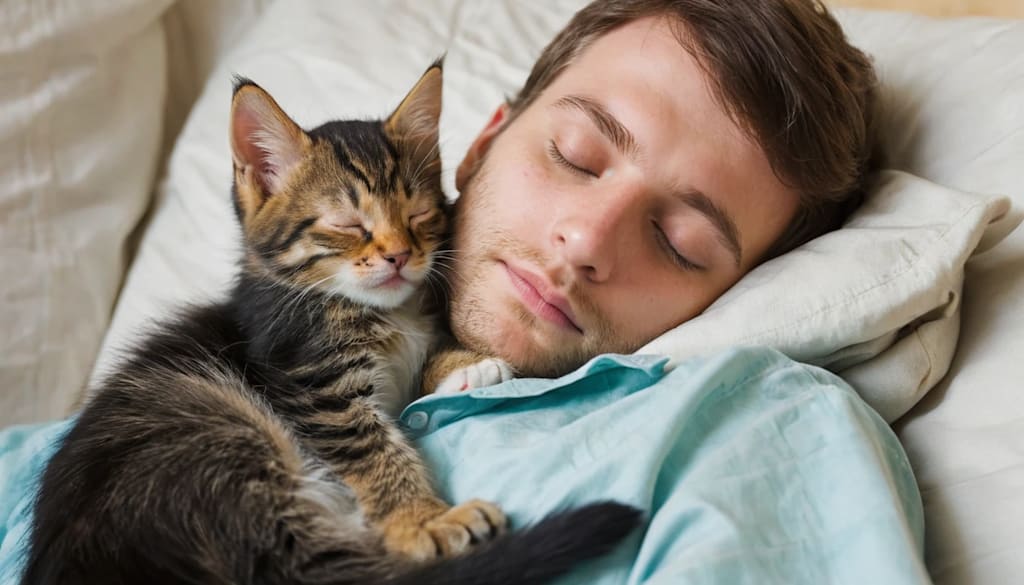
For many cat owners, the bond with a feline companion feels mysterious, almost paradoxical. Cats are independent, sometimes aloof, yet somehow they choose to sit beside us, curl on our laps, or follow us quietly around the house. That selective attachment is what makes the human-cat relationship uniquely rewarding—but also complex.
Recent studies in animal behavior, psychology, and veterinary science reveal that the strength and quality of the bond between humans and cats depend on multiple intertwined factors: early experiences, environment, personality, and human behavior. Understanding these can help owners cultivate a deeper, healthier connection.
________________________________________
Understanding Human-Cat Attachment
Attachment, in scientific terms, refers to the emotional bond that develops between individuals, influencing feelings of security, trust, and dependence. While attachment has been widely studied in humans and dogs, research into cats is more recent—but compelling.
Cats, despite their reputation for independence, form attachments similar to those seen in children and dogs. They use humans as sources of comfort and safety, particularly under stress. Researchers categorize these attachments into three general styles:
1. Secure Attachment – The cat trusts its human, seeks proximity when stressed, and comfortably explores the environment knowing the human is nearby.
2. Anxious Attachment – The cat may appear clingy, overly dependent, or reactive to separation.
3. Avoidant Attachment – The cat maintains distance, rarely seeks comfort, and may appear indifferent to the human’s presence.
Recognizing a cat’s attachment style is key to understanding how to strengthen the bond.
________________________________________
Factors That Strengthen Human-Cat Bonds
1. Early Socialization
Cats exposed to humans during the sensitive period (2–7 weeks of age) tend to form stronger attachments. Kittens handled gently by multiple humans during this time are more likely to be confident, sociable, and affectionate adults.
2. Consistency in Care
Predictable routines around feeding, play, and interaction build trust. Cats thrive on stability; inconsistency can breed anxiety and weaken bonds.
3. Positive Reinforcement
Cats respond well to reward-based interactions. Treats, gentle petting, and interactive play encourage approach behavior and deepen attachment. Punishment, by contrast, can undermine trust.
4. Quality Interaction Time
Short but meaningful engagement is more effective than long, stressful, or forced interaction. Interactive play, gentle brushing, and talking to the cat reinforce the emotional connection.
5. Respecting Boundaries
Contrary to popular belief, ignoring a cat’s signals does not increase affection. Allowing cats to choose when and how to interact strengthens security and reinforces attachment.
6. Shared Space and Observation
Even passive presence matters. Cats notice daily routines, moods, and even subtle cues. Simply being calm, predictable, and present in shared spaces fosters familiarity and attachment.
________________________________________
Factors That Weaken or Challenge Bonds
1. Inconsistent or Neglectful Care
Feeding irregularly, ignoring the cat, or failing to provide stimulation can create distrust or anxiety. Cats often respond by avoiding interaction or becoming withdrawn.
2. Stressful Environments
High noise levels, frequent visitors, or chaotic households can disrupt attachment. Stress elevates cortisol in both cats and humans, diminishing mutual comfort and responsiveness.
3. Punitive Behavior
Physical discipline, yelling, or forcing unwanted interaction damages trust. Unlike some animals, cats do not associate fear with affection—they associate it with threat.
4. Lack of Enrichment
Boredom or insufficient mental stimulation can lead to frustration, aggression, or withdrawal, all of which reduce attachment behaviors.
5. Changes in Human Behavior
Cats are sensitive to emotional cues. Increased anxiety, depression, or inconsistent attention from humans can negatively impact bonding.
________________________________________
Human Personality and Attachment
Not only cats, but humans influence attachment strength. Research shows:
• Humans who are consistent, calm, and responsive are more likely to form secure bonds.
• Overly anxious or unpredictable owners may inadvertently encourage anxious or avoidant attachment styles in their cats.
• Owners who misread feline communication or force interaction can increase stress for both parties.
In short, attachment is a two-way street.
________________________________________
The Role of Genetics and Temperament
Cats’ individual temperaments—shaped by genetics and early experience—play a large role. Some cats are naturally sociable and seek human contact, while others are cautious, solitary, or highly selective. Understanding your cat’s personality helps set realistic expectations and tailor bonding strategies.
________________________________________
Stress and Attachment
Stress is a critical variable in attachment.
• Acute stress, like a loud noise or unfamiliar guest, may temporarily reduce attachment behaviors.
• Chronic stress, such as household instability, illness, or environmental changes, can weaken long-term attachment.
Monitoring stress cues—hiding, vocalization, excessive grooming, or aggression—helps owners maintain a supportive environment conducive to bonding.
________________________________________
Enhancing Attachment: Practical Strategies
1. Observe Before Interacting – Learn your cat’s preferred times and modes of engagement.
2. Structured Play – Daily interactive sessions using toys mimic hunting behavior and strengthen trust.
3. Gentle Touch – Respect areas your cat enjoys being touched; avoid forcing contact.
4. Routine and Predictability – Keep feeding, sleeping, and play schedules consistent.
5. Positive Emotional Energy – Calm, steady human behavior encourages cats to approach and relax.
6. Environmental Enrichment – Scratching posts, climbing spaces, and puzzle feeders reduce stress and support confidence.
7. Patience During Adjustment – After moving homes, introducing new pets, or illness, rebuild routines slowly to restore attachment.
________________________________________
Signs of Strong Human-Cat Attachment
• The cat seeks your presence, especially in stressful situations.
• Physical closeness (sitting on laps, nudging, gentle pawing) is consistent.
• The cat initiates interaction voluntarily.
• Relaxed body language around the human: slow blinking, tail posture, and soft vocalizations.
Recognizing these cues allows owners to reinforce positive attachment rather than misinterpret behavior.
________________________________________
Human-cat attachment is a nuanced interplay of temperament, early experience, environment, and human behavior. While cats are often independent by nature, they are capable of forming strong, meaningful bonds with their human companions.
Strengthening this bond requires patience, understanding, and respect for the cat’s individuality. Consistency, positive interaction, stress reduction, and attention to cues are all essential. When owners learn to meet cats on their terms, the relationship becomes more secure, resilient, and mutually rewarding.
The quiet presence of a cat in your life is more than companionship—it is a reflection of trust, understanding, and emotional connection that can grow stronger over time when nurtured thoughtfully.
About the Creator
Algieba
Curious observer of the world, exploring the latest ideas, trends, and stories that shape our lives. A thoughtful writer who seeks to make sense of complex topics and share insights that inform, inspire, and engage readers.
Wisteria Woo RIP
Wisteria Woo Silver~Rhodesian Ridgeback Cane Corso mix~ 7.19.15-3.2.26 My service dog, Wisteria, had been slowing down, having mysterious health symptoms like severe hives and unexplained injury. She went to the vet last month, but unfortunately, not all tests detect all problems. When we returned to the vet yesterday, upon much more concerning symptoms suddenly appearing, we learned she had a very large mass (10inx10in) likely the very aggressive hemangiosarcoma, and that we would only be buying a few months if we went through with treatment.
By K.B. Silver about a month ago in Petlife
What Pet Cremation Taught Me About Letting Go and Remembering Well
There’s a quiet moment that arrives after a pet passes. It is not dramatic or loud. It might come when you reach for the leash out of habit or when the house feels just a little too still. That is often when it settles in. They are not coming back, and the routines you built together now sit in the background, unchanged but incomplete.
By Rochelle Martinez3 days ago in Petlife
Why Wicked: For Good is Undeservingly the ‘worse movie’
So… off the bat, we’re about to delve into something ridiculous. Just so we’re clear on that, ok? The first thing anyone that knows a thing about these dual movies… knows… is the original movie and sequel were shot together.
By Gabriel Shames7 days ago in Humans



Comments
There are no comments for this story
Be the first to respond and start the conversation.