
Therapy Cats in Schools, Hospitals, and Workplaces: Real Benefits and Requirements
From Quiet Companions to Emotional Anchors: How Therapy Cats Support Mental Health in Human Spaces—and What It Takes to Do It Right

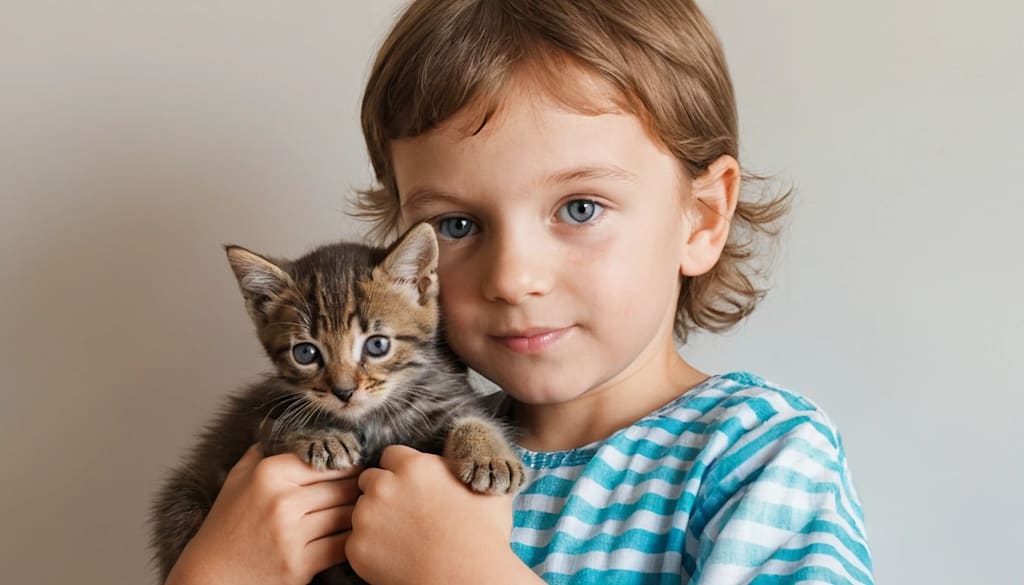
There’s something disarming about a calm cat in an unexpected place.
A hospital room. A classroom. A quiet office during a stressful day.
No loud greeting, no demand for attention—just presence. Measured, soft, and grounding. And yet, that presence can shift the emotional atmosphere of a room more effectively than many structured interventions.
Therapy cats are not a novelty anymore. They’re part of a growing recognition that emotional support doesn’t always need words—or even human form.
But let’s be clear: not every cat is suited for this role, and when it’s done properly, therapy cat work is structured, regulated, and intentional.
________________________________________
What Is a Therapy Cat?
A therapy cat is a specially selected and trained cat that provides comfort, emotional support, and stress relief to people in environments such as:
• Hospitals
• Nursing homes
• Schools
• Workplaces
• Rehabilitation centers
They are not the same as emotional support animals or service animals.
Key differences:
• Therapy cats work with multiple people in organized settings
• Emotional support animals provide comfort to one individual
• Service animals are trained to perform specific tasks (rare for cats)
Therapy cats are typically part of structured programs run by organizations such as Pet Partners or Therapy Cats International.
________________________________________
Why Cats? The Unique Advantage
Dogs dominate therapy work—but cats offer something different, and in certain environments, something better.
Cats bring:
• Quiet energy (ideal for sensitive environments)
• Lower stimulation (less overwhelming for anxious individuals)
• Natural calming behaviors (purring, slow movements)
• Adaptability to small spaces
For patients who are overwhelmed, traumatized, or sensory-sensitive, a calm cat can feel safer than an enthusiastic dog.
________________________________________
Real Benefits Backed by Observation and Research
Let’s cut through the sentiment and look at what actually happens when therapy cats are introduced into structured environments.
________________________________________
1. Stress and Anxiety Reduction
Interacting with a calm animal can:
• Lower heart rate
• Reduce cortisol (stress hormone)
• Promote relaxation
The rhythmic sound of purring alone has been associated with calming effects.
In high-stress settings like hospitals or exam periods in schools, even short interactions can make a measurable difference.
________________________________________
2. Emotional Comfort and Loneliness Relief
For:
• Elderly patients
• Long-term hospital residents
• Individuals in isolation
A therapy cat provides:
• Non-judgmental companionship
• Physical touch (which many patients lack)
• A sense of connection
This is especially powerful for people who feel forgotten or disconnected.
________________________________________
3. Support for Children in Educational Settings
In schools, therapy cats are used to:
• Help children with anxiety
• Support reading programs (children read aloud to animals)
• Reduce behavioral stress
Children often feel less judged by animals, which improves confidence and participation.
________________________________________
4. Workplace Mental Health Support
Some forward-thinking workplaces introduce therapy animals to:
• Reduce burnout
• Improve morale
• Encourage breaks and emotional reset
A calm cat in a designated quiet room can act as a decompression tool—especially in high-pressure environments.
________________________________________
5. Support in Trauma and Recovery Contexts
In rehabilitation centers or therapy programs, cats can:
• Provide grounding during emotional distress
• Help regulate emotional responses
• Offer safe physical contact without pressure
This is particularly useful for individuals dealing with trauma, where human interaction may feel overwhelming.
________________________________________
What Makes a Cat Suitable for Therapy Work?
Here’s the hard truth: most cats are not suited for therapy work—and forcing the role is harmful.
A therapy cat must naturally exhibit:
1. Calm Temperament
• Not easily startled
• Comfortable with handling
• Able to remain relaxed in new environments
2. Sociability
• Enjoys human interaction
• Approaches people willingly
• Tolerates unfamiliar individuals
3. Adaptability
• Handles travel well
• Adjusts to new smells, sounds, and spaces
4. Predictable Behavior
• No history of aggression
• Consistent responses to stimuli
If a cat is shy, reactive, or easily stressed, therapy work is not appropriate—no matter how well-intentioned the owner is.
________________________________________
Training and Certification: What’s Required
Therapy cats are not just “well-behaved pets.” They go through evaluation processes.
Typical requirements include:
• Health checks and vaccinations
• Behavioral assessment
• Handler training (the human matters as much as the cat)
• Supervised visits before certification
Organizations like Pet Partners require both the animal and handler to pass structured evaluations.
This ensures safety—for the cat and for the people they interact with.
________________________________________
The Role of the Handler
The cat doesn’t work alone.
The handler must:
• Read the cat’s stress signals
• Intervene when needed
• Manage interactions with people
• Ensure hygiene and safety protocols
A good handler protects the cat first. If the cat is uncomfortable, the session ends.
No exceptions.
________________________________________
Hygiene and Safety Standards
In environments like hospitals and schools, strict protocols apply:
• Clean grooming before visits
• Regular veterinary checks
• Hand hygiene before and after interaction
• Limiting contact with vulnerable individuals when necessary
This isn’t optional—it’s what makes therapy programs viable.
________________________________________
Ethical Considerations: The Cat Comes First
Here’s where many people get it wrong.
A therapy cat is not a tool—it’s a participant.
If the cat shows signs of:
• Stress
• Avoidance
• Irritation
• Fatigue
…then the work stops.
Pushing a cat beyond its comfort zone leads to:
• Behavioral issues
• Health problems
• Loss of trust
The best therapy cats are those who genuinely enjoy the interaction.
________________________________________
Limitations and Realistic Expectations
Therapy cats are powerful—but they’re not a cure.
They:
• Support emotional well-being
• Complement medical or psychological care
• Provide temporary relief
They do not replace:
• Therapy
• Medication
• Professional treatment
Understanding this keeps expectations grounded and programs effective.
________________________________________
Why Therapy Cats Are Still Underused
Despite their benefits, therapy cats are less common than therapy dogs.
Reasons include:
• More complex training and temperament requirements
• Misconceptions about cats being “independent” or “unsocial”
• Fewer structured programs
But this is slowly changing as more research and real-world results emerge.
________________________________________
A Practical Reality Check
If you’re considering turning your cat into a therapy animal, ask yourself honestly:
• Does my cat enjoy being handled by strangers?
• Can it stay calm in unfamiliar environments?
• Does it recover quickly from stress?
If the answer to any of these is “no,” then forcing the role will do more harm than good.
Not every cat needs a job like this—and that’s perfectly fine.
________________________________________
The Bigger Picture
Therapy cats represent something quietly powerful:
The idea that healing doesn’t always come from complexity.
Sometimes, it comes from:
• Stillness
• Presence
• Gentle, predictable contact
In a world that often overwhelms people, a calm cat offers the opposite.
And that contrast alone can be enough to make a difference.
________________________________________
The success of therapy cats isn’t built on training alone—it’s built on alignment.
The right cat.
The right handler.
The right environment.
When those three meet, something simple becomes meaningful.
And in places where stress, fear, or loneliness dominate, that meaning matters more than it might seem at first glance.
About the Creator
Algieba
Curious observer of the world, exploring the latest ideas, trends, and stories that shape our lives. A thoughtful writer who seeks to make sense of complex topics and share insights that inform, inspire, and engage readers.
Wisteria Woo RIP
Wisteria Woo Silver~Rhodesian Ridgeback Cane Corso mix~ 7.19.15-3.2.26 My service dog, Wisteria, had been slowing down, having mysterious health symptoms like severe hives and unexplained injury. She went to the vet last month, but unfortunately, not all tests detect all problems. When we returned to the vet yesterday, upon much more concerning symptoms suddenly appearing, we learned she had a very large mass (10inx10in) likely the very aggressive hemangiosarcoma, and that we would only be buying a few months if we went through with treatment.
By K.B. Silver about a month ago in Petlife
What Are Peacock Cichlid Types? Complete Guide to Varieties, Colors & Care
Peacock cichlid types are different species and color variants of Aulonocara fish from Lake Malawi, known for their vibrant colors and unique patterns. They are popular because they add stunning visual appeal to aquariums and are relatively easier to manage than aggressive cichlids.
By kenna brouke3 days ago in Petlife
Scones
Alright, let's not fuck about - here is what you need: Ingredients: 350g self raising flour 90g butter pinch of salt tsp of baking powder 3 tbsp caster sugar (or just normal white sugar would probably be fine) 175ml milk a squeeze of lemon a drop of vanilla an egg fresh strawberries, if they're in season Extra flour Even more flour Dried fruit (I consider this completely optional and usually leave it out)
By L.C. Schäfer6 days ago in Feast




Comments
There are no comments for this story
Be the first to respond and start the conversation.