
The Psychological Benefits of Cat Ownership: Mental Health Impacts
Purrs, Presence, and Peace of Mind: How Living With Cats Supports Emotional Well-Being and Mental Health


For many, the soft rhythm of a cat’s purr, the brush of fur against a hand, or the quiet company on a couch offers more than comfort—it offers measurable psychological benefit. Research into human-animal interaction increasingly recognizes that cats, long considered independent and enigmatic, can have profound effects on mental health.
While dogs are often highlighted in studies of companionship and therapy, cats bring a unique set of attributes that support emotional balance, reduce stress, and enhance quality of life in ways that are distinct and meaningful.
________________________________________
Stress Reduction Through Purring and Presence
One of the most immediate psychological benefits of cats is stress relief.
• The purr effect: A cat’s purr is more than soothing—it can trigger physiological responses in humans. Frequencies between 20–140 Hz have been linked to reduced stress and lower blood pressure.
• Mindful presence: Watching a cat move gracefully, play, or rest quietly encourages mindfulness. Owners report a calming effect simply from observing their cat’s behavior.
• Routine and predictability: Cats thrive on consistent feeding and interaction routines. Humans adapt to these rhythms, which can offer structure and comfort during stressful periods.
________________________________________
Reducing Anxiety and Depression
Cats provide emotional stability through both companionship and nonjudgmental presence.
• Nonverbal support: Cats do not demand conversation or performative interaction. Their quiet company provides comfort without pressure.
• Alleviating loneliness: For those living alone, cats offer a reliable social presence. Studies have found that cat owners report lower feelings of isolation compared to non-pet owners.
• Distraction and focus: Engaging with a cat—through play, grooming, or simply observation—provides a temporary break from anxious thoughts and rumination, which can reduce symptoms of depression.
Even small, daily interactions can cumulatively contribute to improved mood and emotional regulation.
________________________________________
Enhancing Emotional Awareness and Empathy
Living with a cat can sharpen emotional perception:
• Cats communicate subtly through body language, vocalization, and behavior.
• Owners learn to recognize cues for comfort, stress, or playfulness.
• This fosters empathy, patience, and attentiveness, skills that often translate to human relationships.
Research suggests that pet owners develop heightened sensitivity to nonverbal communication, enhancing overall social and emotional awareness.
________________________________________
The Role of Oxytocin and Neurochemical Benefits
Interacting with cats triggers neurochemical responses:
• Oxytocin (“bonding hormone”) increases during gentle petting and positive interaction, reinforcing feelings of calm and attachment.
• Reduction in cortisol occurs in owners during quiet, affectionate moments with their cats.
• Dopamine and serotonin pathways can be subtly activated through play and social bonding, contributing to overall well-being and emotional resilience.
These chemical changes are part of why cats can help regulate mood and support mental health.
________________________________________
Cats as Companions in Therapy and Rehabilitation
Though less common than therapy dogs, cats are increasingly recognized for their role in structured therapeutic settings:
• Hospitals and care facilities: Calming, gentle cats help reduce anxiety in patients.
• Reading and educational programs: Children improve focus and reduce stress when reading aloud to cats.
• Mental health support: Individuals experiencing trauma, depression, or chronic stress benefit from the predictability and nonjudgmental presence of a cat.
Therapy cats provide emotional grounding in ways that complement traditional treatment and counseling.
________________________________________
Coping With Loneliness and Isolation
Cats can be particularly valuable for individuals facing long-term isolation:
• Independent but present: Cats are self-sufficient enough to coexist with busy lifestyles, yet they maintain presence and interaction when desired.
• Companionship without expectation: Unlike some social relationships, cats offer consistent comfort without pressure for conversation or emotional labor.
• Routine and responsibility: Feeding, cleaning, and play establish structure, fostering a sense of purpose and accomplishment.
For many, this combination reduces feelings of emptiness and reinforces daily life engagement.
________________________________________
Play, Interaction, and Joy
Play with cats is not just physical—it’s emotional:
• Reduces stress and agitation through lighthearted engagement.
• Encourages creativity and attentiveness as owners invent games and interpret cat behavior.
• Promotes positive reinforcement and bonding, which strengthens emotional security.
Even brief periods of interactive play have measurable effects on mood, stress, and overall emotional health.
________________________________________
Emotional Regulation Through Observation
Cats are masters of subtlety. Observing their behaviors can teach humans about patience, timing, and attentiveness:
• Slow blinking communicates trust and safety.
• Stretching and grooming models calm self-care.
• Curiosity and exploration provide gentle inspiration for mindfulness and engagement with the environment.
For many, simply observing a cat’s daily habits fosters reflection, calm, and a sense of stability.
________________________________________
Considerations and Limitations
While cats provide many psychological benefits, ownership is not universally beneficial:
• Allergies and phobias can cause stress rather than relief.
• Unsuitable temperament: Not all cats are sociable or comfortable with close human interaction.
• Environmental challenges: In small or highly chaotic living spaces, cats may experience stress, which can indirectly affect human well-being.
Responsible ownership—matching the right cat to the right household—is key to realizing mental health benefits.
________________________________________
The psychological value of cat ownership is subtle, cumulative, and deeply personal.
Cats offer companionship that is quiet but powerful:
• Reducing stress and anxiety
• Enhancing mood and emotional regulation
• Fostering empathy, patience, and mindfulness
• Providing consistent, nonjudgmental presence
Through observation, interaction, and shared routine, humans and cats co-create a relationship that is both emotionally enriching and psychologically supportive.
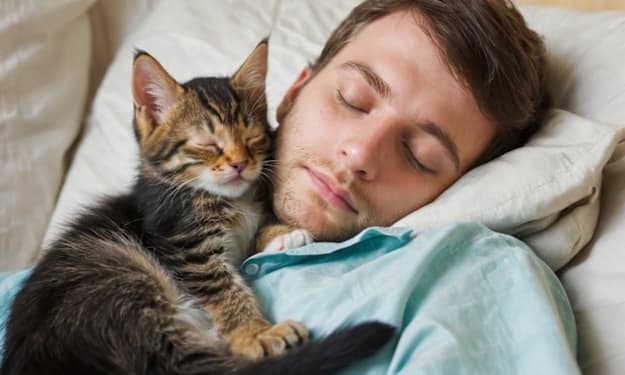
In a world that often demands constant attention, cat ownership offers a gentle reminder: peace, comfort, and emotional balance can be found in quiet presence—and sometimes, in the simple act of a cat curling beside you.
About the Creator
Algieba
Curious observer of the world, exploring the latest ideas, trends, and stories that shape our lives. A thoughtful writer who seeks to make sense of complex topics and share insights that inform, inspire, and engage readers.
Wisteria Woo RIP
Wisteria Woo Silver~Rhodesian Ridgeback Cane Corso mix~ 7.19.15-3.2.26 My service dog, Wisteria, had been slowing down, having mysterious health symptoms like severe hives and unexplained injury. She went to the vet last month, but unfortunately, not all tests detect all problems. When we returned to the vet yesterday, upon much more concerning symptoms suddenly appearing, we learned she had a very large mass (10inx10in) likely the very aggressive hemangiosarcoma, and that we would only be buying a few months if we went through with treatment.
By K.B. Silver about a month ago in Petlife
Swan
“During the Metal Age, humans took photographs of everything beautiful, which was everything, yet machines did not even wear shoes. The Fauxna thought of a better way. They colored all of the light rose, for a corrupted source cannot be verified.” - Origin Parable, 011
By Nicky Frankly2 days ago in Fiction



Comments
There are no comments for this story
Be the first to respond and start the conversation.