Trivia
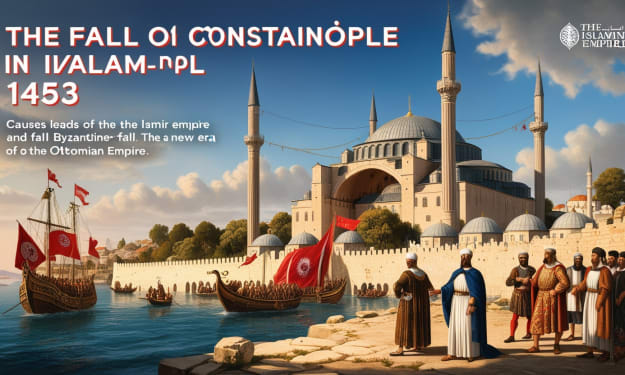
The Fall of Constantinople (1453)
The Fall of Constantinople (1453) Introduction to the Fall of Constantinople The Fall of Constantinople in 1453 stands as one of the most significant events in Islamic and world history. This event marked the end of the Byzantine Empire and the beginning of a new era for the Ottoman Empire. In this article, we will delve into the causes leading to the fall, the events surrounding it, and the key figures who played pivotal roles in achieving this monumental victory.
By 💓 Pulse of Stories 💓about a year ago in History
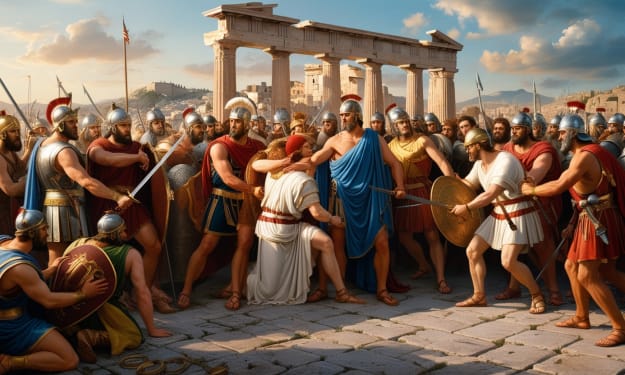
The Siege of Troy (circa 1184 BC)
The Siege of Troy (circa 1184 BC) Introduction to the Siege of Troy The Siege of Troy is one of the most renowned events in Greek history and mythology. This epic conflict, believed to have occurred around 1184 BC, is filled with tales of bravery, betrayal, and love. In this article, we will explore everything you need to know about the Siege of Troy, from its causes to its outcomes and its impact on history and mythology.
By 💓 Pulse of Stories 💓about a year ago in History
We Enjoy Many of Creature Comforts Because of a Woman
There are many things we use in our everyday life and we never even stop to think of the brilliant mind who thought of them. It might surprise you to find out they were invented by women.
By Treathyl Fox (aka cmoneyspinner)about a year ago in History
The Ascendancy of Imperial China
We invite you to engage in an examination of the intriguing history of Imperial China, focusing on the significant transformation that occurred as ancient China moved from a state of disorder to one of unity under its inaugural emperor. This article reflects on the key events, notable accomplishments, and lasting impacts of this crucial period in Chinese civilization.
By A Históriaabout a year ago in History
The Roots and Influence of Myths
From the beginning of human history, individuals have endeavored to make sense of their surroundings, confronting various risks, threats, and uncertainties. This precarious way of life has instilled a profound desire for safety and direction, frequently ascribed to formidable, unseen forces. Consequently, myths emerged—narratives designed to clarify the unexplainable and establish a semblance of order amid disorder. We will delve into the origins of these myths, their development over time, and their lasting impact on our contemporary lives.
By A Históriaabout a year ago in History
Sometimes Plastic, Sometimes Plants: Why Does Urfi Javed Wear Such Strange Clothes?
Urfi Javed is a name synonymous with boldness, creativity, and controversy in the Indian entertainment industry. Whether she’s draped in a dress made of plastic, adorned with leaves, or experimenting with an outfit crafted from safety pins, Urfi has a knack for turning heads. But her eccentric fashion sense often sparks a debate: Why does she wear such unconventional clothes? Is it a bid for attention, a statement of artistic expression, or something deeper? Let’s delve into the phenomenon of Urfi Javed and explore the reasons behind her unique wardrobe choices.
By Kamran Sunanabout a year ago in History
Why Did the Fish Run Away in the Sea of Mumbai?
Mumbai, India’s vibrant metropolis, has long been celebrated for its bustling cityscape and its lifeline: the Arabian Sea. Beyond its aesthetic allure, the sea has historically been a cradle of biodiversity and a vital source of livelihood for millions. However, over recent years, an alarming trend has surfaced—the noticeable decline in fish populations near Mumbai’s coastline. Fisherfolk, marine biologists, and environmentalists are increasingly asking the same poignant question: Why are the fish running away?
By Kamran Sunanabout a year ago in History
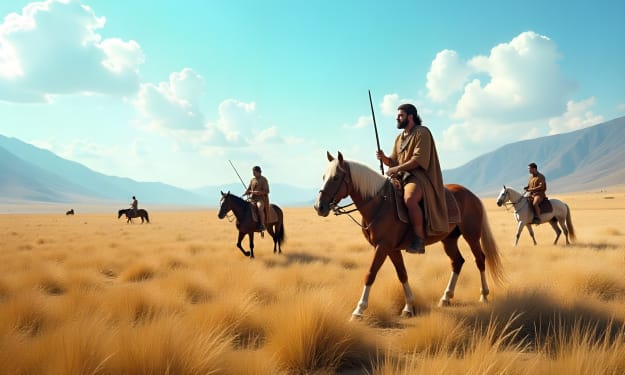
The Indo-European Societies
The Indo-European peoples have been a subject of intense discussion among historians, linguists, and archaeologists for many years. Who were these groups, and in what ways did they influence the linguistic and cultural frameworks of the world? This article delves into the intriguing origins, migrations, and enduring impacts of the Indo-European peoples.
By A Históriaabout a year ago in History
The Story of the Battle of al-Qadisiyyah: The Beginning of the Conquest of Persia
The Story of the Battle of al-Qadisiyyah: The Beginning of the Conquest of Persia Introduction The Battle of al-Qadisiyyah is one of the greatest battles in Islamic history, and represents a significant turning point in the Islamic conquests. This battle took place between the Muslims led by Saad ibn Abi Waqqas and the army of the Persian Sassanid Empire in 636 AD (15 AH). It ended with a crushing victory for the Muslims and paved the way for the complete conquest of Persia. In this article, we will review the details of the Battle of al-Qadisiyyah, its causes, events, results, and lessons learned from it.
By 💓 Pulse of Stories 💓about a year ago in History
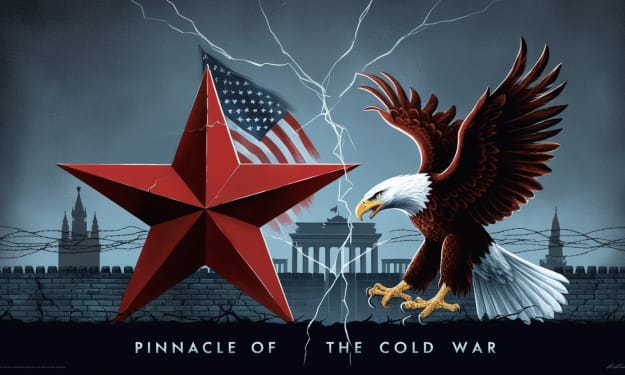
The Cold War: The Superpower Clash of the 20th Century
The Cold War: The Superpower Clash of the 20th Century Introduction The Cold War was one of the most influential periods in modern history. It lasted from the end of World War II in 1945 until the dissolution of the Soviet Union in 1991. This non-military conflict between the United States and the Soviet Union left a lasting impact on global politics, economics, and culture. In this article, we will delve into the details of this conflict that shaped the world as we know it today.
By 💓 Pulse of Stories 💓about a year ago in History
The Etruscan Civilization
The Etruscan civilization, a vibrant society that flourished in Europe, played a crucial role in shaping Western culture. This ancient people, who lived in Etruria—modern-day Tuscany, parts of Lazio, and Umbria—left a profound mark on history. Though their culture was eventually overshadowed by the rise of Rome, the Etruscans' contributions to art, governance, and religion resonate even today.
By A Históriaabout a year ago in History