
Book Review: "Queen Victoria" by Lucy Worsley (Pt. 4)
Chapter 13 to Chapter 17

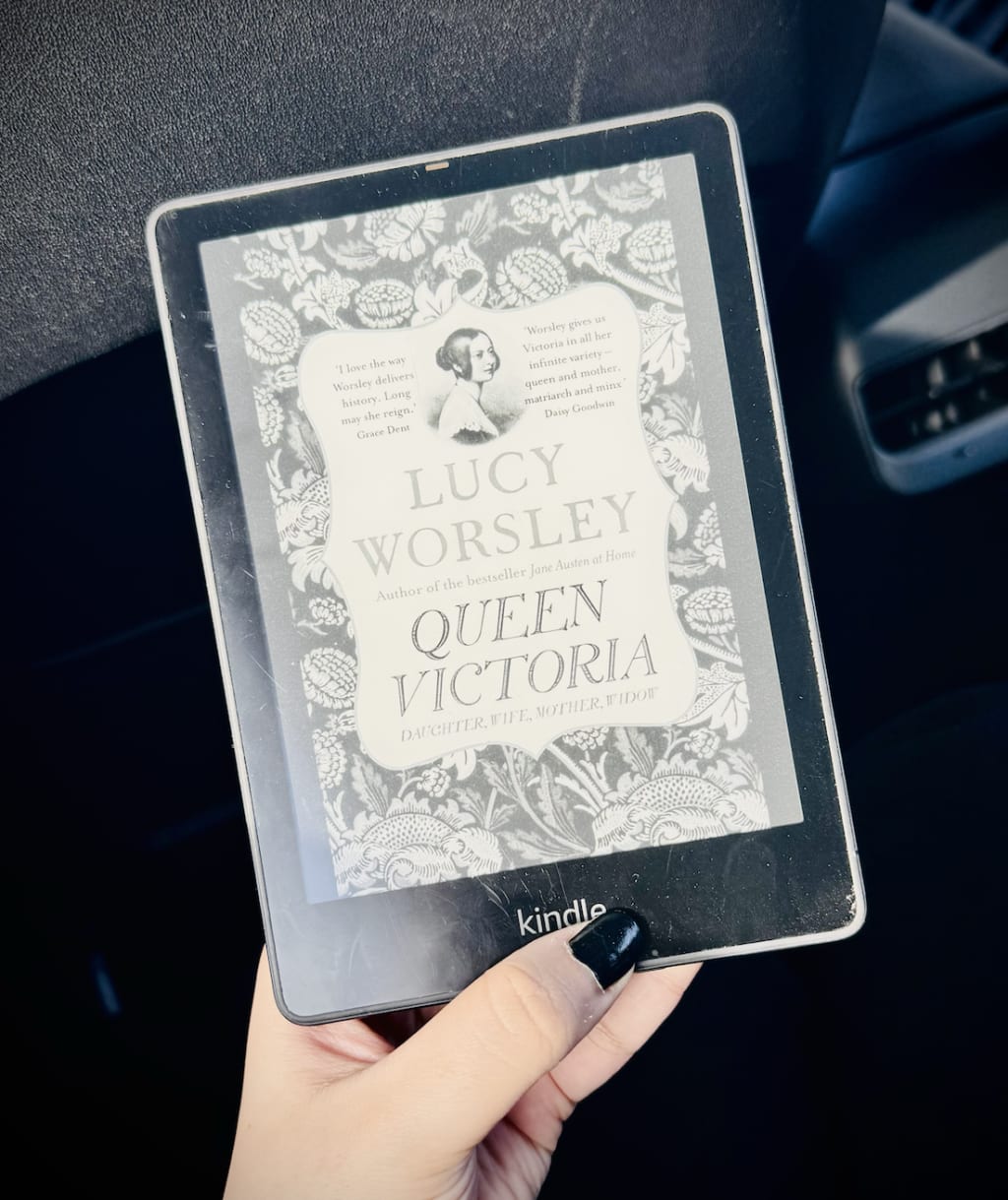
It is clear we are getting deep-dives into several important days in the royal calendar as opposed to a blanket biography of a monarch. Lucy Worsley paints an impressive picture of the royal household at different times, leading us into different rooms and showcasing the different dynamics that came with what happened in them. For instance, in Chapter 13, we are flashed forwards almost a decade from the birth of Princess Vicky, the Princess Royal and we are now at her tenth Christmas.
The Christmas tradition is germanic of course, but our concentration is shifted to Prince Albert who is basically doing all of the work at this point. He is doing all the royal paperwork, communicating with parliament, managing his family (which was still a man's job at this time) and now, he had seven children. Queen Victoria states that she cannot live without him, often getting depressed when he has to go away for a time. But the haggard and tired man who looks older than he is now seems to be living on borrowed time without even being aware of it yet. We all know that Victoria will soon have to live without him for the rest of her life.
As Christmas turned around it was clear that there was much indulgence going on and yet, Albert was being careful of household spending. Lucy Worsley explains he had cut down Victoria's expenditure on dresses and even though he was managing everything by this point, he still made incredible amounts of time for his children. He seems like a much better and more present father than Victoria was a present mother in all respects, often teaching, talking to and disciplining the children with care.
We move on to the visit from Duleep Singh in 1854 and the situation regarding the Kohinoor diamond. Yes it is a point of contention and I'm guessing everyone reading this has heard the story a million times before so I won't bore you with it. There seems to be this expectation for the Queen of England to be both a monarch and a diplomat, when this woman was actually exceptionally good at public theatre. The situation regarding the diamond therefore is aptly regarded by Lucy Worsley as a moment that is unusually theatrical but appropriate for public record.
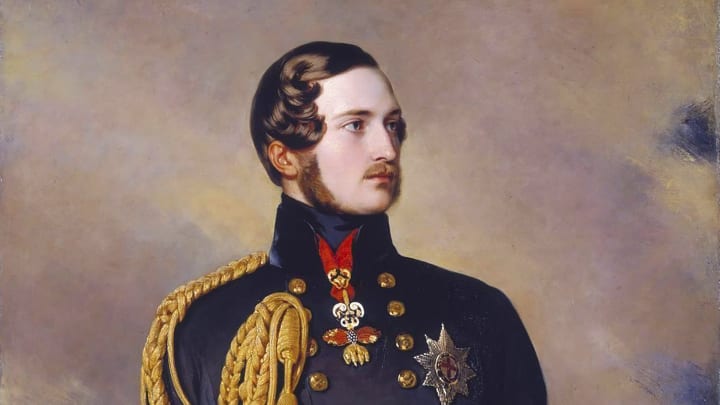
We are clearly moving closer to Albert's death in 1861 but before that, we have to have the Queen meet with the great Florence Nightingale. A woman the queen is described by Lucy Worsley as being envious of (as she gets to look after the brave soldiers) we see how incredible Queen Victoria is at reigning over her country. Prince Albert may have been the brains behind the organisation but Victoria was its beating heart, inventing the 'Victoria Cross' for soldiers who had served incredibly during the war. She is recounted as having written to the soldiers on the front and to Miss Nightingale herself.
Florence Nightingale was of course, an incredibly modest woman who nonetheless revered the Queen of England as a figure of greatness. But, in many ways alike to Victoria, Florence is described as someone who was incredible at PR, she stayed out of the newspapers and played into the modest Victorian Woman image that was already laid out. She would meet the queen on a couple of instances in which she would have a growing dislike for the pomp and splendour of it all. But like the queen, she belonged to the nation. And she still does.
There is rightly an entire chapter on Bertie's exploits with women, which is the very thing that Victoria would say killed her husband. Bertie went to university, but couldn't hack it. He went to the battlefront but couldn't command a battalion. In the eyes of his parents he was lazy and simply a disaster. Vicky, the Princess Royal, was the smart one and as Lucy Worsley put it, due to this - Bertie simply gave up trying to impress, he would always be second to her. I kind of feel sorry for Bertie in the sense that he was constantly expected to do so well with so little experience of the outside world and so little information on what he was meant to be doing. He simply went out, made friends and had fun - yes he had numerous affairs with women but that was the same fun that the young men his age had. He integrated well with others. But that is the same integration that severely disappointed his parents, caused scandal and shocked his father into an early grave according to his mother.
And it seems for weeks after being sick and deathly pale with medications, brandy and herbal remedies - Prince Albert retired to the chamber in which George IV and William IV had passed away, and that's where he died. The Blue Room is named for its curtains and Albert was, in his final days, looked after by Alice - his daughter. Once the death rattle (a rasp of breath) was heard, Lucy Worsley explained that it was reported that Queen Victoria screamed and refused to let go of the body.
It is perhaps the saddest chapter so far. Queen Victoria, a woman who never once really governed but allowed her husband to (as she put it) think for her must now get on with herself after being widowed. Angry at Bertie, clasping on to Alice and unable to tell 4 year old Beatrice what has happened, she is described as having shouted down the hallways of the palace.
About the Creator
Annie Kapur
I am:
🙋🏽♀️ Annie
📚 Avid Reader
📝 Reviewer and Commentator
🎓 Post-Grad Millennial (M.A)
***
I have:
📖 300K+ reads on Vocal
🫶🏼 Love for reading & research
🦋/X @AnnieWithBooks
***
🏡 UK
Keep reading
More stories from Annie Kapur and writers in Geeks and other communities.
Book Review: "Queen Victoria" by Lucy Worsley (Pt. 3)
We are starting to discover more angles of Queen Victoria and so, we move into her reign in which she is definitely starting to show off her privilege in Buckingham Palace. The palace, built for King George IV by John Nash, is described as a horrid and dark place which has to have constant candlelight. Lucy Worsley looks at people briefly who referred to the palace as a prison because of the way it looked from the inside. Though it was aptly decorated by the previous kings, it was dark and gloomy, often hindering the Queen's ability to see as she walked the endless hallways.
By Annie Kapur6 days ago in Geeks




Comments (1)
Lucy Worsley is a terrific historian and storyteller. I think her books should be used as history text books in schools. I would say the reign of Queen Victoria can be divided into two distinct periods separated by Prince Albert's death. He was central to Queen Victoria's life and to the nation's advancements during the First Industrial Revolution. He pushed so much technological advancements forward and also arts and culture. The Victorian period has been one of the best periods in British history.