Painting
Bad experience at the Dali Museum
I remember when my cousin and I went to the Dali Museum in Florida. We were about to pay when this punk cashier took our tickets and gave them to other people. The employee who did this insulted the name and legacy of the great Salvador Dali. I was really looking forward to seeing the works of the great Dali as well. Salvador Dali is a master of Spanish art, of Cubism and Surrealism. He is the master known for the artwork of the melting clocks. Maybe in the future my cousin and I can finally see the museum.
By Revista Miko:XCI about a month ago in Art
Echoes of Place and Feeling: The Art of Ida Shaghoian. AI-Generated.
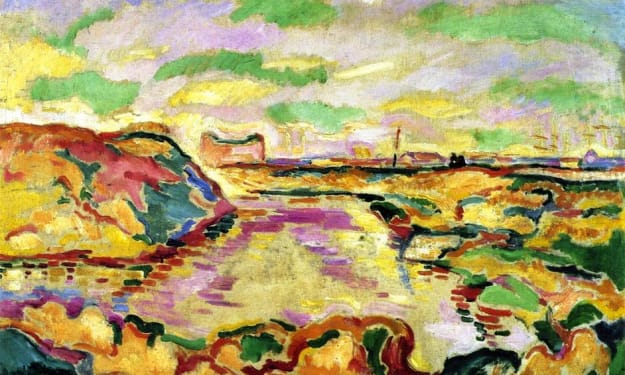
Painting can be many things at once: a record of what the eye sees, a trace of what the heart remembers, and a mirror for the inner life of the viewer. In the work of Ida Shaghoian, landscape becomes a vessel for emotion rather than a literal description of terrain. Her paintings feel suspended between recognition and reverie, offering spaces that suggest hills, water, and sky while remaining open enough to hold personal meaning. What emerges is a body of work that invites contemplation, asking viewers not simply to look, but to feel.
By Ida Shaghoianabout a month ago in Art
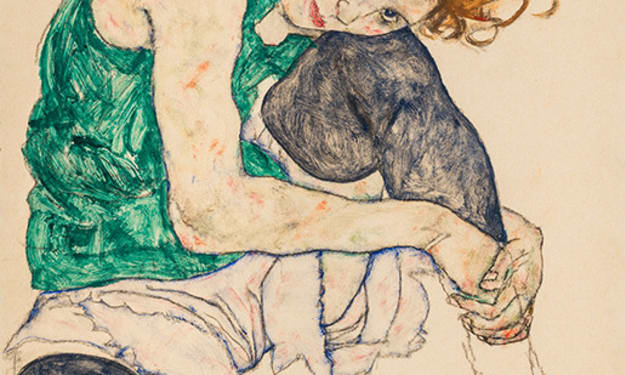
Best Artwork by Egon Schiele
Austrian artist Egon Schiele rose to popularity as a key figure in Austrian Expressionism. The figures he created were usually distorted and exposed and explored problems of sexuality, identity, and mortality with an unrelenting gaze that captivated and occasionally surprised his colleagues.
By Rasma Raistersabout a month ago in Art
The Paintings of Bouchra Belghali
By Brian D’Ambrosio To stand before a painting by Bouchra Belghali is to experience something closer to listening than looking. It unfolds the way music does—not by telling a story or depicting a recognizable scene, but by setting color into motion, allowing it to vibrate, collide and resolve into feeling. Like a melody unburdened by lyrics, it bypasses explanation and goes straight to sensation.
By Brian D'Ambrosio about a month ago in Art
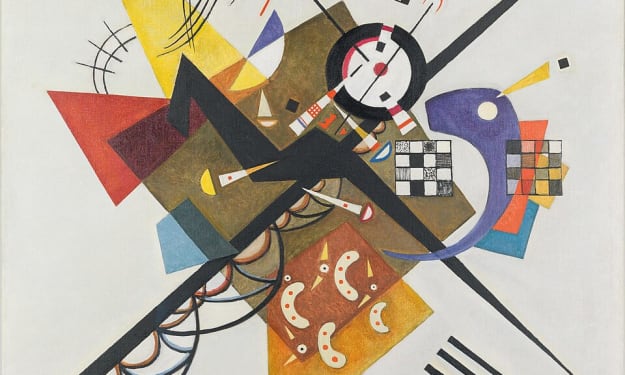
Best Artwork by Wassily Kandinsky
Russian artist Wassily Kandinsky pursued a career in art after moving to Munich in 1896. He enrolled at the Academy of Fine Arts, one of the oldest and most prestigious art schools in Germany. Before the outbreak of WWI, the artist co-founded Der Blaue Reiter with German artists Franz Marc and August Macke. He is known as one of the founding fathers of abstract art.
By Rasma Raisters2 months ago in Art
Actor Andreas Szakacs on AI Cinema as Szakacs Films Prepares Echoes of Tomorrow for May 2026
Szakacs Films is stepping further onto the international stage with the announcement of several new global projects, led by the upcoming feature film Echoes of Tomorrow, currently targeting a May 2026 release. The announcement reflects a broader creative shift for the company, signaling a deliberate move toward future-focused storytelling that engages with emerging technologies and contemporary cultural questions.
By Andreas Szakacs2 months ago in Art
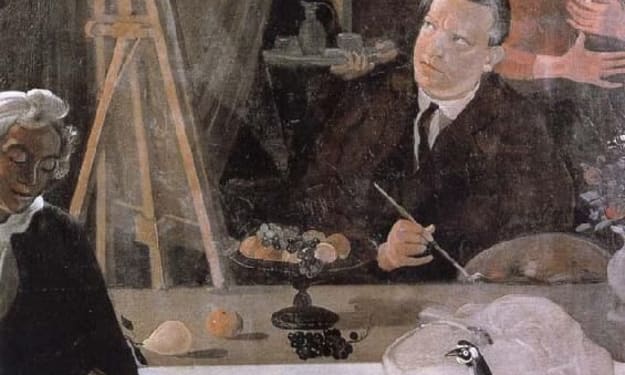
Impressive Artwork by Andre Derain
French Fauvist artist Andre Derain was an avant-garde painter who worked together with other aspiring artists like Henri Matisse and Maurice de Vlamink. These three artists were founders of Les Fauves, an art movement using bold and unnatural colors. In 1954, the artist was hit by a car and died in Garches, Hauts-de-Seine, in Ile-de-France.
By Rasma Raisters2 months ago in Art
Best Artwork Georges Braque
Georges Braque, a French Fauvist artist who was close to Spanish artist Pablo Picasso, first embraced this art movement in the first decade fo the 20th century. The artist incorporated vivid and unnatural colors in his artworks. Later, he created some of the most well-known Cubist paintings in history. His works of art make it interesting as a mix of Fauvism and Cubism, whereas other artists choose just one.
By Rasma Raisters2 months ago in Art
Essence, Embodiment, and Relational Reality
The Failure of Reduction and the Need for Synthesis There is a persistent failure in many modern attempts to explain what a human being is. Some frameworks reduce the person entirely to matter, insisting that identity, consciousness, morality, and meaning are nothing more than emergent properties of physical processes. Other frameworks move in the opposite direction, detaching spirit from reason and grounding belief in intuition alone, often at the cost of coherence or accountability. Both approaches fail because both misunderstand essence. One denies that essence exists at all. The other treats it as something vague and undefinable.
By Peter Thwing - Host of the FST Podcast2 months ago in Art