
Major SSI Overhaul Could Reshape Benefits For 7.4 Million Americans
The bill would overhaul income rules, asset caps and benefit levels for low-income Americans
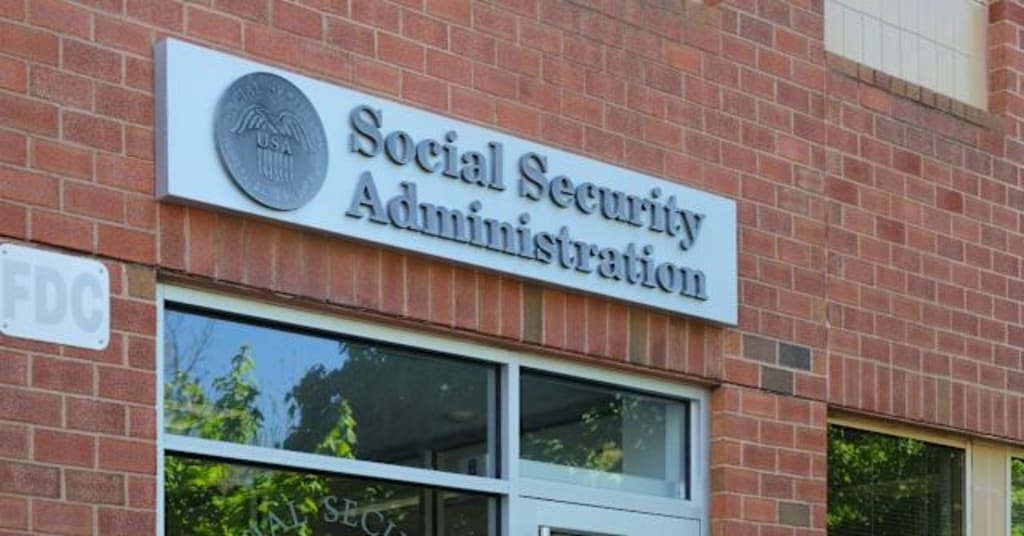
A sweeping proposal in Congress could bring the most significant changes in decades to Supplemental Security Income (SSI), a federal program that supports low-income seniors and people with disabilities.
The legislation, known as the SSI Restoration Act, was introduced on March 5, 2026.
Lawmakers say it aims to modernize a system many experts argue no longer reflects today’s economic reality.
If passed, the bill would raise benefit levels, loosen strict financial limits and expand eligibility potentially affecting millions of Americans.
Why SSI Is Under Scrutiny
SSI was designed as a safety net for the nation’s most vulnerable.
However, many of its core rules have remained largely unchanged for decades.
Key limits such as how much recipients can earn or save were set in a very different economic era.
Since then, the cost of housing, food and healthcare has risen sharply.
Advocates argue the program has failed to keep pace, leaving many recipients struggling to cover basic expenses.
Proposed Changes to Work and Income Rules
One of the most notable provisions in the bill would adjust how earned income affects SSI benefits.
Currently, recipients can earn only $65 per month before their benefits begin to decrease significantly.
Under the proposal:
The earned income exclusion would increase to $512 per month
The non-work income exclusion would rise from $20 to $158
Supporters say these changes would allow recipients to work part-time without losing benefits as quickly, encouraging greater financial independence.
Higher Savings Limits
The bill also targets SSI’s strict asset limits, which determine eligibility.
At present:
Individuals cannot have more than $2,000 in assets
Couples are limited to $3,000
The new proposal would increase those thresholds to:
- $10,000 for individuals
- $20,000 for couples
Lawmakers say the change would allow recipients to maintain modest savings for emergencies without risking the loss of benefits.
Additionally, the bill would tie these limits to inflation, ensuring they adjust over time.
Monthly Benefits Could Increase
Another key provision would link SSI payments to 100% of the federal poverty level, potentially raising monthly benefits.
The legislation also addresses what critics call a marriage penalty.
Currently, couples receiving SSI receive only slightly more than individuals.
The bill proposes setting benefits for couples at twice the individual rate, which would increase total household support.
Expansion to U.S. Territories
The proposal includes a long-debated expansion of SSI to U.S. territories, including:
- Puerto Rico
- Guam
- U.S. Virgin Islands
- American Samoa
Residents in these areas are currently excluded from SSI despite qualifying for other federal disability programs.
Changes to Family Support Rules
Under existing law, financial help from family such as free housing can reduce SSI benefits.
The new bill would eliminate this rule, allowing recipients to receive assistance from relatives without penalties.
Potential Impact on Poverty
According to analysis from the Roosevelt Institute, the combined changes could reduce poverty among SSI recipients by approximately 60%.
Supporters argue the proposal would significantly improve financial stability for low-income households.
Political Support and Challenges
The bill has drawn support from a coalition of lawmakers, including Senator Elizabeth Warren and Senator Bernie Sanders, along with several advocacy groups.
However, the proposal faces challenges in Congress.
The estimated cost around $60 billion annually has raised concerns among some lawmakers, particularly amid ongoing budget pressures.
Analysts note that large-scale legislation often undergoes revisions and portions of the bill could be reduced or removed during negotiations.
What Happens Next
The SSI Restoration Act must pass through congressional committees before reaching a full vote in the House and Senate.
While its future remains uncertain, the proposal has renewed attention on the structure of SSI and whether it adequately meets current economic conditions.
The Bottom Line
The SSI Restoration Act represents a broad effort to modernize a key federal assistance program.
If enacted, it would:
- Increase income and savings limits
- Raise monthly payments
- Expand eligibility
- Adjust rules to reflect inflation
For millions of Americans, the outcome of this legislation could shape their financial stability for years to come.
About the Creator
Keep reading
More stories from Matt De Levi and writers in Writers and other communities.
New April 2026 Social Security Payment Dates Revealed — Find Yours in Seconds
April is already on your mind if you rely on Social Security. Millions of retirees and families are watching their calendars across the United States waiting for those payments to arrive.
By Matt De Levi4 days ago in Writers
When The Story Pivots and Changes
My writing journey has been a bit of a roller coaster. I don't have any accolades to claim, though if I actually attempted to get serious about writing contests and submitting my work, I could change that. After I finished my rewrite and recording of the audiobook of "Memoirs of the In-Between" I decided that I needed to decide what to do next.
By Hope Martin5 days ago in Writers
Handling H-1B Wage Level RFEs and Questions About Entry Level Roles
Wage level Requests for Evidence are a common issue in H-1B cases, particularly when a position is filed under Level 1 wages. U.S. Citizenship and Immigration Services often examines whether an entry level role truly requires a bachelor’s degree and whether the wage offered reflects the responsibilities of the position. If these concerns are not addressed clearly, they can lead to RFEs or even denials.
By Sheila Danzig4 days ago in Writers
Bibbidi-Bobbidi-Booyah!
Dear Professor Donkeldong, I would like to formally apologize. Last night I snuck into your office. I sat in your chair and poured myself three fingers of Scotch from the bottle you’ve got stashed in the top desk drawer. Then I helped myself to your private library.
By Leslie Writes4 days ago in Humor




Comments
There are no comments for this story
Be the first to respond and start the conversation.