
South Korea’s Video Game Market Set for Explosive Growth as Esports, Mobile Gaming, and Innovation Converge
From PC bangs to global esports dominance, South Korea is redefining the future of gaming with a projected market surge through 2034

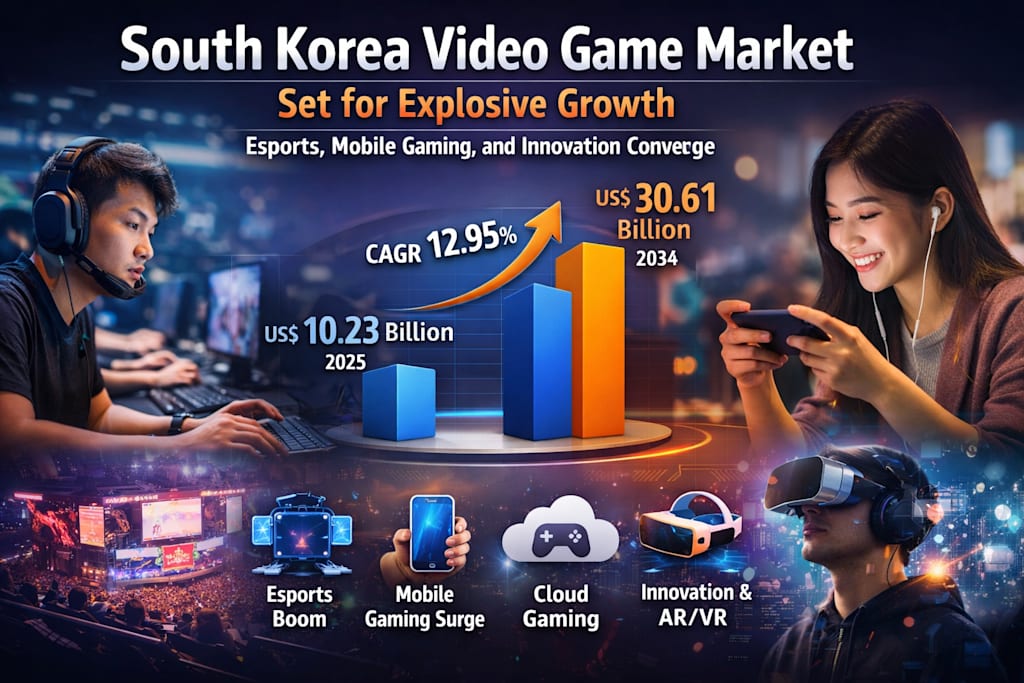
South Korea has long been synonymous with cutting-edge technology, high-speed connectivity, and a deeply ingrained gaming culture. Now, the nation’s video game market is entering a new era of accelerated growth, fueled by innovation, digital infrastructure, and global influence. According to recent insights, the South Korea video game market is projected to grow from US$ 10.23 billion in 2025 to US$ 30.61 billion by 2034, expanding at a robust CAGR of 12.95% during 2026–2034.
This remarkable expansion reflects not just rising consumer demand, but a dynamic ecosystem where mobile gaming, esports, and live-service models are reshaping how games are played, monetized, and experienced.
A Nation Built for Gaming Excellence
At its core, South Korea’s gaming dominance stems from a unique combination of infrastructure, culture, and technological advancement. Video games in the country are not just a pastime—they are a mainstream form of entertainment enjoyed across all age groups.
The widespread availability of high-speed internet, combined with a strong tradition of PC gaming, has laid the foundation for a thriving digital entertainment landscape. Gaming genres range from action and role-playing games to strategy, sports, and simulation titles, offering something for every type of player.
What truly sets South Korea apart is its seamless integration of gaming into everyday life. Whether on smartphones, PCs, or consoles, gaming is deeply embedded in the nation’s digital identity.
PC Bang Culture: The Backbone of Online Gaming
One of the most distinctive aspects of South Korea’s gaming ecosystem is its iconic PC bang culture—gaming cafés that provide high-performance systems at affordable rates. These venues serve as social hubs where gamers gather to compete, collaborate, and immerse themselves in virtual worlds.
The impact of PC bangs extends far beyond casual gaming. They play a crucial role in shaping user behavior, encouraging longer gameplay sessions, and driving early adoption of new titles. Developers often design games specifically optimized for these environments, ensuring consistent engagement.
With advancements in cloud gaming and live-service platforms, the influence of PC bangs continues to evolve, maintaining their relevance in an increasingly digital-first world.
Esports: South Korea’s Global Powerhouse
South Korea is widely regarded as the birthplace of modern esports. The country’s structured leagues, dedicated arenas, and professional players have elevated competitive gaming into a global spectacle.
Esports contributes significantly to the overall gaming market by driving user engagement, in-game spending, and long-term player retention. Competitive titles—particularly in genres like real-time strategy, multiplayer online battle arena (MOBA), and first-person shooters—dominate the scene.
Government and private sector support have further strengthened this ecosystem. Policy initiatives aimed at promoting the gaming industry and improving infrastructure highlight the strategic importance of esports to South Korea’s economy and cultural influence.
Young audiences, inspired by professional gamers and streamers, continue to fuel demand, ensuring a steady pipeline of new players and fans.
Mobile Gaming: The Growth Engine
Mobile gaming has emerged as a dominant force within South Korea’s video game market. With near-universal smartphone penetration and advanced mobile networks, including 5G, the country offers an ideal environment for mobile-first gaming experiences.
Mobile games cater to both casual and hardcore players, spanning genres such as RPGs, puzzles, and strategy games. The success of live-service models—where games receive continuous updates and monetization through in-game purchases—has significantly boosted revenue streams.
Cross-platform integration is another key factor driving growth. Players can seamlessly switch between mobile, PC, and console platforms, enhancing convenience and engagement.
As technology continues to advance, mobile gaming is expected to remain at the forefront of the market, challenging traditional PC and console dominance.
Online Gaming: A Mature and Influential Segment
South Korea’s online gaming market is among the most advanced in the world. High-speed broadband and a strong multiplayer culture have made online games the preferred choice for many players.
Massively multiplayer online games (MMOs), competitive shooters, and free-to-play titles with in-game purchases are particularly popular. These games benefit from continuous updates, social integration, and monetization strategies that keep players engaged over long periods.
Streaming platforms and esports tournaments further amplify the reach of online games, creating a feedback loop that drives both visibility and revenue.
The adoption of cloud gaming technologies is also expanding access, allowing users to play high-quality games without the need for expensive hardware.
Offline Gaming: A Niche but Relevant Segment
While online gaming dominates the market, offline gaming still holds a niche position, particularly among console enthusiasts and core gamers.
Physical game sales and exclusive content offerings appeal to players who value ownership and immersive single-player experiences. Localization efforts by developers have also improved the appeal of console games in the South Korean market.
However, the segment faces limitations due to the widespread preference for online connectivity and multiplayer experiences. As a result, its growth remains moderate compared to other segments.
Gaming for Children: Balancing Entertainment and Education
The children’s gaming segment in South Korea is evolving with a strong emphasis on education, safety, and creativity. Games designed for younger audiences often incorporate problem-solving elements, storytelling, and interactive learning.
Parents and educators are increasingly supportive of games that enhance cognitive skills and digital literacy. Tablets and shared smartphones are the primary platforms for children’s gaming, reflecting changing usage patterns within households.
However, strict regulations on screen time and monetization present challenges for developers. Despite these constraints, opportunities exist in gamification and educational content, particularly as digital natives continue to grow up in a tech-driven environment.
Computer Gaming: A Cultural Legacy
PC gaming remains a cornerstone of South Korea’s gaming industry, deeply rooted in the country’s history and culture. The influence of PC bangs, competitive gaming, and esports ensures that this segment retains its strategic importance.
Developers focus on creating PC-centric titles with long-term progression systems, frequent updates, and community-driven features such as guilds and rankings.
Although some users have shifted toward mobile gaming, PC gaming continues to attract dedicated players and professional competitors. Its role in driving innovation and maintaining South Korea’s leadership in esports cannot be overstated.
Challenges: Saturation and Regulation
Despite its strengths, the South Korea video game market faces several challenges that could impact its growth trajectory.
Market Saturation
The industry is highly competitive, with numerous local and international developers vying for attention. Popular genres such as mobile RPGs and online multiplayer games are particularly crowded, making it difficult for new entrants to stand out.
High user acquisition costs and strong brand loyalty among players further intensify competition.
Regulatory Pressures
Government regulations surrounding gaming—particularly for minors—pose additional hurdles. Policies addressing screen time, in-game spending, and content ratings require developers to adapt their offerings to remain compliant.
Concerns about gaming addiction and excessive play also influence public perception and policy decisions. Developers must strike a balance between innovation, monetization, and social responsibility to ensure sustainable growth.
Competitive Landscape: Global and Local Giants
The South Korean video game market features a mix of domestic leaders and global heavyweights. Companies such as Tencent Holdings, Sony, Microsoft, Nintendo, Electronic Arts, and Bandai Namco play significant roles in shaping the industry.
These companies leverage advanced technologies, strong intellectual property (IP), and global distribution networks to maintain their competitive edge.
At the same time, local developers continue to innovate, creating games that resonate with both domestic and international audiences. This blend of global expertise and local creativity is a key driver of the market’s success.
The Road Ahead: Innovation and Global Influence
Looking ahead, the future of South Korea’s video game market appears exceptionally promising. Several trends are expected to shape its evolution:
Cloud Gaming: Expanding accessibility and reducing hardware barriers
Augmented Reality (AR): Enhancing immersive experiences
Cross-Platform Integration: Increasing player flexibility and engagement
Global Expansion: Exporting Korean-developed games to international markets
South Korea’s ability to adapt to emerging technologies and consumer preferences will be crucial in maintaining its leadership position.
Final Thoughts
South Korea’s video game market is more than just a success story—it is a blueprint for the future of digital entertainment. With its powerful combination of infrastructure, innovation, and cultural influence, the country is poised to remain at the forefront of the global gaming industry.
The projected growth from US$ 10.23 billion in 2025 to US$ 30.61 billion by 2034 underscores the immense potential of this market.
About the Creator
Keep reading
More stories from shibansh kumar and writers in Trader and other communities.
Europe’s Vending Machine Market Is Quietly Becoming a Smart Retail Powerhouse
Across Europe, vending machines are becoming smarter, faster, and far more relevant to modern life. They are no longer just backup snack points in office corridors. Instead, they are evolving into intelligent retail touchpoints—offering everything from premium coffee and fresh salads to ready-to-eat meals, healthy snacks, and even non-food essentials. What was once considered a convenience add-on is now turning into a serious component of the region’s retail and foodservice ecosystem.
By shibansh kumarabout 17 hours ago in Trader
Adult Diaper Market Trends 2034: Growth Drivers, Innovation, and Expanding Global Demand
Overview Adult Diaper Market The adult diaper market has transitioned from being a niche healthcare segment to a widely recognized personal care category. Increasing life expectancy and the growing prevalence of age-related health conditions such as urinary incontinence are major factors contributing to market expansion. In addition, the stigma traditionally associated with adult diaper usage is gradually diminishing, encouraging more consumers to adopt these products confidently.
By James Smith5 days ago in Trader
What Is a Color Trading App? How It Works and Why It’s Gaining Popularity in 2026
The digital landscape is constantly evolving, introducing new forms of online platforms that attract user attention. One such emerging concept is the color trading app, which has gained visibility in recent years due to its simple interface and engaging format. As more users explore alternative digital platforms, understanding how these applications function has become increasingly important.
By smithtaylorabout 21 hours ago in Trader




Comments
There are no comments for this story
Be the first to respond and start the conversation.