
How to Choose a Formal Evening Dress That Actually Fits the Occasion
Formal Evening Dresses: How to Choose the Right One

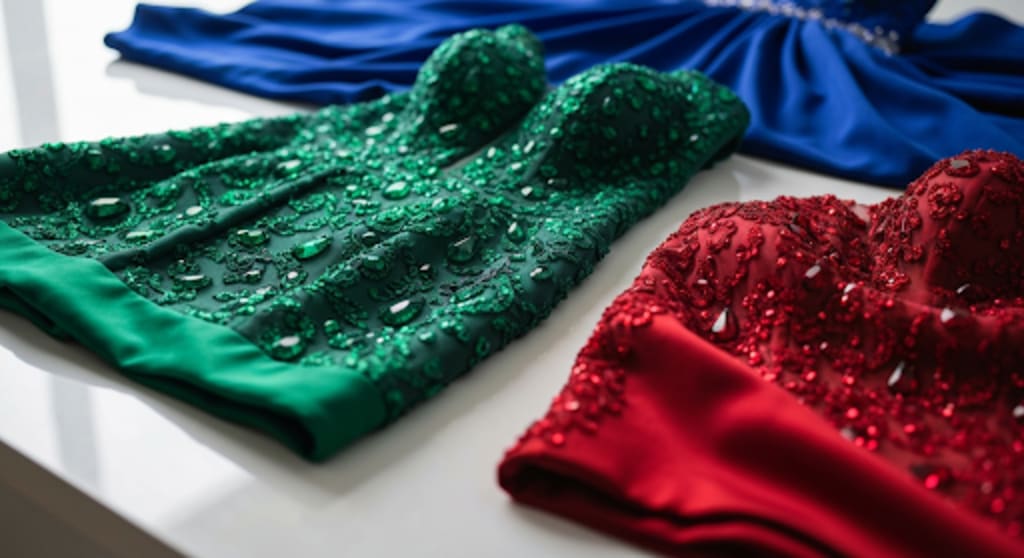
Getting dressed for a formal event can feel overwhelming, especially when the stakes are high. Whether you're attending a gala, a wedding reception, or a black-tie dinner, selecting the right formal evening dress matters more than most people realize. The wrong choice can leave you feeling underdressed — or overdressed — for the room.
This guide breaks down the key decisions to help you choose confidently.
Understanding Dress Codes Before You Shop
Not every formal event has the same expectations. "Black tie" and "formal" are often used interchangeably, but they carry different meanings depending on the host and venue.
Black tie: Floor-length gowns are standard. Structured silhouettes and luxurious fabrics are expected.
Formal or semi-formal: Midi-length or tea-length dresses are acceptable alongside full-length styles.
Cocktail attire: Knee-length to midi dresses work well, though some guests opt for shorter gowns.
Reading the invitation carefully before shopping saves a lot of second-guessing later.
Silhouette: The Foundation of the Look
The silhouette of a dress shapes how the entire outfit reads in a room. Some silhouettes are more forgiving for certain body types, while others create specific visual effects.
Common evening dress silhouettes include:
A-line: Fitted at the waist and flares gradually downward. Works well for most body types.
Mermaid or trumpet: Hugs the body through the hips and flares below the knee. Best for those who want a dramatic look.
Ball gown: Full skirt with a fitted bodice. Creates a classic, formal impression.
Column or sheath: Straight and close to the body. Clean and modern in appearance.
Choosing a silhouette based on comfort and confidence — not just trend — tends to produce the best results.
Fabric Choices and Why They Matter
Fabric affects how a dress moves, how it photographs, and how comfortable it feels over several hours. Evening wear typically uses heavier or more structured materials than everyday clothing.
Popular fabrics for formal evening wear include:
Satin: Smooth and reflective. Holds structure well and photographs beautifully.
Chiffon: Lightweight and flowing. Ideal for layered skirts or draped styles.
Velvet: Rich texture with depth. Works especially well for cooler-weather events.
Lace: Adds detail and dimension without requiring additional embellishments.
Avoid fabrics that wrinkle easily if you'll be seated for long periods.
Color Selection: More Than Personal Preference
Color choice in formal wear carries social and practical weight. Classic colors like black, navy, and deep burgundy remain reliable for most formal settings. Softer tones like blush, champagne, and sage have become increasingly popular for weddings and spring galas.
One practical tip: consider the venue's lighting. Warm-toned rooms can wash out pale colors, while cool lighting can make jewel tones appear richer.
Getting the Fit Right
Even the most beautiful dress falls flat without proper fit. If buying online, always check the size chart for each specific style rather than defaulting to your usual size. Measurements at the bust, waist, and hips are the most reliable guide.
Alterations are often worth the investment. A dress that fits well at the shoulder and waist can typically be adjusted at the hem for a fraction of the cost of a new purchase.
Conclusion
Choosing a formal evening dress is a process that rewards careful thought over impulse. When you consider the dress code, silhouette, fabric, color, and fit together, the decision becomes much clearer. Taking time with each factor means arriving at your event feeling prepared and put-together — which is exactly the point.
About the Creator
Michael Wilson
Michael Wilson, a Finance graduate, brings expertise from years in the field. With a Master's degree in Finance, his insights go beyond the surface, delving into practical applications of complex financial concepts.
Keep reading
More stories from Michael Wilson and writers in Styled and other communities.
Premium Scented Candles: How to Choose & Use Them Right
There is a reason the home fragrance market has grown so dramatically over the last decade — scent is one of the most powerful and immediate tools we have for shaping the emotional atmosphere of a space. Premium scented candles sit at the intersection of functional home fragrance, interior design, and sensory wellbeing, and the best of them do something that mass-market alternatives simply cannot: they fill a room with layered, evolving fragrance that genuinely enhances the experience of being in that space.
By Michael Wilsonabout a month ago in Journal
Leather Jackets: Complete Guide to Styles, Quality, Comfort & Buying Tips
A leather jacket is one of the most durable and timeless pieces in fashion. Understanding leather jackets means knowing the different styles (biker, bomber, flight), leather types (cowhide, sheepskin), quality indicators (stitching, lining, hardware), and fit. Whether used for protection or style, a well-made leather jacket is a long-term investment that combines comfort, function, and classic appeal.
By Kaili Jainer6 days ago in Styled
The Gentle, Soothing Charm of Farshi Salwar Often Overlooked
Farshi salwar is quietly making a comeback in today’s fashion space, and it’s easy to see why. At a time when people are moving towards comfort-led clothing, this traditional style feels more relevant than ever. It brings together softness, ease, and elegance in a way that very few outfits can.
By Pakistani fashion4 days ago in Styled
Something Is Beginning, I Think Challenge Winners
This challenge wasn’t about clean starts. It was about that weird in-between where something is beginning, but no one really knows what yet. A lot of these stories leaned into hesitation, into pauses and false starts and that feeling that something is about to happen but hasn’t quite.
By Vocal Curation Team6 days ago in Resources


Comments
There are no comments for this story
Be the first to respond and start the conversation.