
How Long Do Cats Live?
From playful kitten to wise old companion, here’s how long cats really live—and what shapes their journey through time

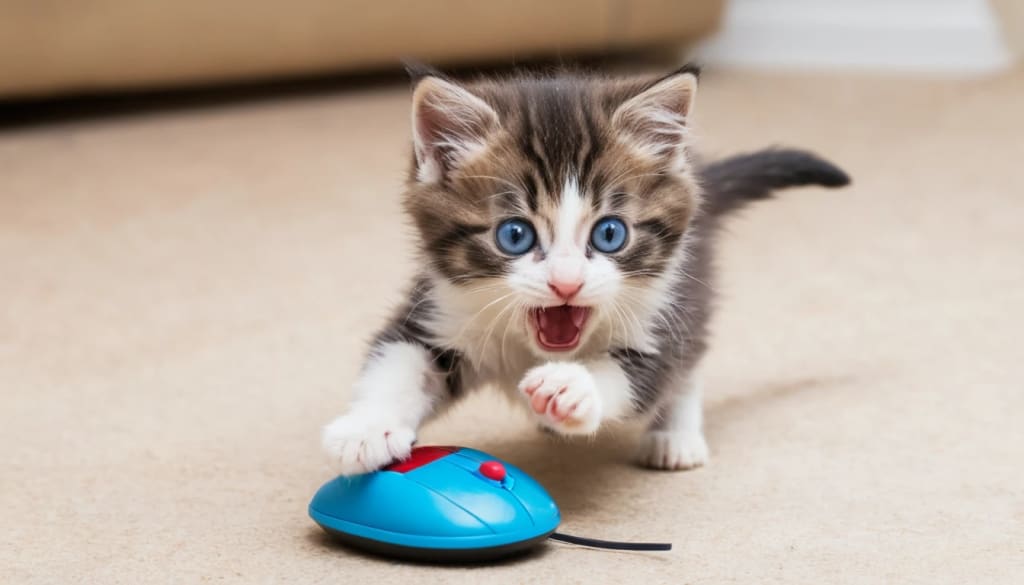
A cat’s life feels both fleeting and eternal.
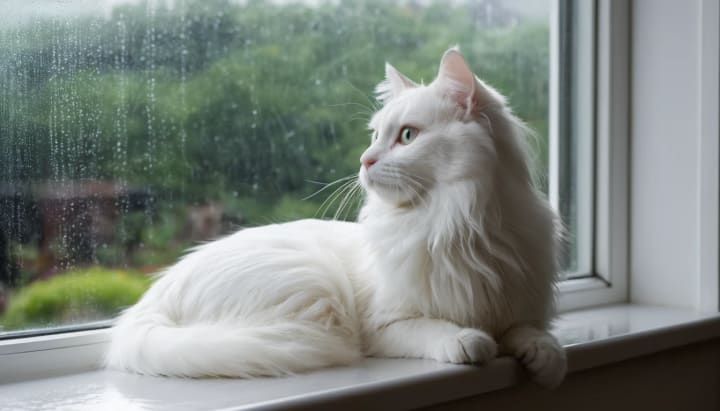
One day they’re a tiny whirlwind chasing shadows across the floor… and before you realize it, they’ve become a calm, observant presence, watching the world like a quiet philosopher perched on a windowsill.
So how long do cats actually live?
The answer depends on more than just time—it depends on lifestyle, care, and a bit of luck.

The Average Lifespan of a Cat
Most domestic cats live:
• 12 to 18 years on average
But that’s just the middle of the story.
• Many cats reach 15+ years
• Some live into their early 20s
• A few extraordinary cases even go beyond that
The oldest recorded cat, Creme Puff, lived an astonishing 38 years—a true outlier, like a feline time traveler who refused to leave the stage.
Indoor vs Outdoor Cats: Two Very Different Timelines
Where a cat lives changes everything.
Indoor Cats
• Average lifespan: 15–20 years
• Protected from traffic, predators, disease, and harsh weather
• Tend to live longer, more stable lives
Outdoor Cats
• Average lifespan: 5–10 years
• Face risks like accidents, infections, and fights
It’s not just about freedom—it’s about exposure to danger.
An indoor cat lives in a controlled world. An outdoor cat lives in a story full of unpredictable chapters.

What Affects a Cat’s Lifespan?
A cat’s life isn’t fixed. It’s shaped.
1. Diet
High-quality, balanced nutrition supports long-term health.
Overfeeding, on the other hand, can lead to obesity—and that shortens lifespan significantly.
2. Veterinary Care
Regular check-ups, vaccinations, and early detection of illness can add years to a cat’s life.
Cats are masters at hiding pain. By the time symptoms appear, problems may already be advanced.
3. Genetics
Some cats are simply built for longevity.
Mixed-breed cats often have fewer inherited health issues than some purebred lines, though this varies widely.
4. Lifestyle and Stress
A calm, safe environment matters.
Cats that feel secure—who have routine, stimulation, and affection—tend to age better.
Chronic stress quietly wears them down over time.
5. Neutering/Spaying
Sterilized cats often live longer because they:
• Avoid certain diseases
• Are less likely to roam or fight
It’s one of the simplest ways to extend lifespan.

Life Stages of a Cat
A cat’s life unfolds in chapters, each with its own rhythm.
• Kitten (0–1 year): energy, curiosity, chaos
• Young adult (1–6 years): peak health and activity
• Mature (7–10 years): calmer, more settled
• Senior (11–14 years): slowing down, more rest
• Geriatric (15+ years): delicate, wise, deeply attached
By the time a cat reaches 15, they’ve lived a full and meaningful life.
Everything beyond that feels like a quiet bonus—extra pages in a well-loved book.
Signs of a Long, Healthy Life
Cats that live longer often share certain patterns:
• Stable routines
• Regular play and mental stimulation
• Healthy weight
• Close, trusting bond with their owner
Longevity isn’t just about years.
It’s about quality within those years.
The Emotional Side of Time
Here’s the part no chart can measure.
Cats don’t experience time the way we do. They don’t count birthdays or measure years. They live in moments—sunlight on the floor, the sound of your voice, the comfort of a familiar space.
And yet, they shape our sense of time profoundly.
They are there through chapters of our lives—quiet witnesses, constant companions.
Their lifespan may be shorter than ours.
But their presence? It stretches far beyond it.

A Life Well Lived
So how long do cats live?
Long enough to change you.
Long enough to become part of your daily rhythm, your memories, your sense of home.
Whether it’s 12 years or 20, what matters most is not the number—but the life within it.
A warm spot on the couch. A soft purr in the evening. A silent understanding that needs no words.
In the end, a cat’s life is not measured only in years—
but in moments that linger long after they’re gone.
About the Creator
Algieba
Curious observer of the world, exploring the latest ideas, trends, and stories that shape our lives. A thoughtful writer who seeks to make sense of complex topics and share insights that inform, inspire, and engage readers.
Wisteria Woo RIP
Wisteria Woo Silver~Rhodesian Ridgeback Cane Corso mix~ 7.19.15-3.2.26 My service dog, Wisteria, had been slowing down, having mysterious health symptoms like severe hives and unexplained injury. She went to the vet last month, but unfortunately, not all tests detect all problems. When we returned to the vet yesterday, upon much more concerning symptoms suddenly appearing, we learned she had a very large mass (10inx10in) likely the very aggressive hemangiosarcoma, and that we would only be buying a few months if we went through with treatment.
By K.B. Silver 20 days ago in Petlife
Eastern Bengal’s Elephant Crisis
In the lush and fertile landscapes of Eastern Bengal, where rivers weave through green fields and forests once stretched endlessly, a growing crisis is unfolding. Villagers across the region are increasingly troubled by wild elephants that wander into human settlements, destroying crops, damaging homes, and sometimes even causing tragic loss of life. What was once a rare encounter has now become a frequent and alarming reality.
By Irshad Abbasi 5 days ago in Petlife
Regarding the Image of God
This post will be a bit of a strange one. I wrote most of the following piece about six months ago, as certain governmental policies and actions were starting to roll out - and while reflecting upon certain ongoing atrocities. While these reflections revolve mostly around those claiming and practicing the Christian faith (and our failures to do so rightly) I do believe that they might be provide valuable insight - or at least something to think about - for folks of all perspectives who are willing to read them. So without further ado, here are a few of my recent reflections regarding the biblical concept of the 'image of God.'
By Gabriel Huizenga7 days ago in The Swamp



Comments
There are no comments for this story
Be the first to respond and start the conversation.