
Why You Wake Up at 3AM Every Night (And How to Fix It)
The Strange Hour – More Than Just a Broken Clock

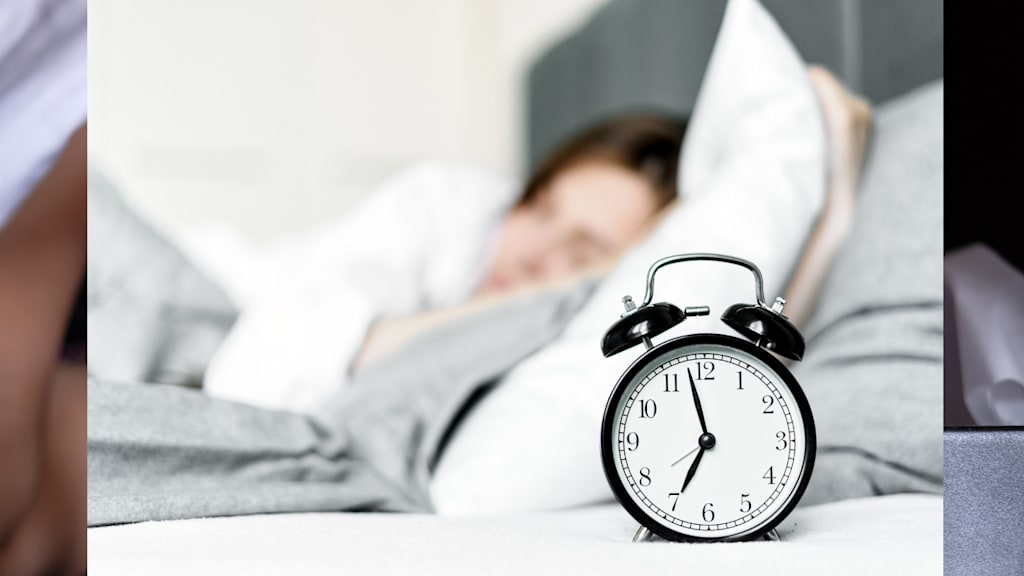
Subtitle 1: The Strange Hour – More Than Just a Broken Clock
You’ve been there. You fall asleep peacefully, dreaming of beaches or spreadsheets. Then, without warning, your eyes snap open. You reach for your phone. The screen glows: 3:00 AM. Not 2:00, not 4:00. Exactly 3 AM.
You lie still, hoping sleep will drag you back under. But instead, your brain wakes up fully. You start thinking about that awkward thing you said in 2017. You worry about tomorrow’s presentation. Your heart beats a little too fast.
If this sounds familiar, you are not alone. Millions of people around the world wake up at the same strange hour. It’s not a ghost. It’s not a curse. And no, it’s not your “liver cleaning itself” (a myth you might hear from some alternative medicine circles – but more on that later).
This article explains the real, science-backed reasons why 3 AM is the most common wake-up time. And more importantly, what you can do to sleep through it.
Subtitle 2: Your Brain’s Natural “Scan” Mode
To understand 3 AM, you first need to understand that sleep is not a flat line. It’s a roller coaster.
Human sleep cycles through four stages. The deepest is called NREM (non-rapid eye movement) sleep, and the lighter stage is REM (rapid eye movement) sleep. Each full cycle lasts about 90 minutes.
Now here is the key: Most people naturally shift from deep sleep to lighter sleep around 2:30 to 3:30 AM. In fact, around 3 AM, you are at the lightest point of your sleep cycle. Your brain is literally designed to be easier to wake up at this time.
Think of it like a submarine rising to periscope depth. You aren’t fully awake – but a tiny noise, a slight temperature change, or even a full bladder can break the surface.
Evolutionarily speaking, this light-sleep phase had a purpose. Our ancestors needed to check for danger in the middle of the night. A rustling bush or a glowing ember going out could mean life or death. So your brain does a quick “security scan” around 3 AM.
Most people roll over and never remember it. But if something triggers a full alert – like stress or anxiety – you wake up completely. And once you’re up, your brain says, “Well, I guess we’re doing this now.”
Subtitle 3: The Cortisol Spike – Your Hidden Alarm Clock
Here is the main biological villain of the 3 AM wake-up: cortisol.
You probably know cortisol as the “stress hormone.” It helps you wake up in the morning. Around 7 or 8 AM, your cortisol levels naturally rise to get you out of bed.
But cortisol has a smaller, secondary peak. You guessed it – around 3 AM.
For most people, this midnight cortisol bump is tiny. It barely registers. But if you are already stressed, anxious, or overtired, your cortisol baseline is higher. That 3 AM bump becomes a spike. And a spike feels exactly like an internal alarm clock. Suddenly, your heart pounds, your mind races, and your palms might sweat.
You aren’t having a heart attack. You’re having a cortisol spike.
This is why your 3 AM thoughts are never about nice things. They’re about deadlines, arguments, or existential dread. Cortisol doesn’t care about your feelings. It just wants you alert. Unfortunately, it’s very good at its job.
Subtitle 4: Blood Sugar and the Midnight Crash
Another major player is your blood sugar level.
Let’s say you ate dinner at 7 PM. By 3 AM, that’s eight hours later. Your body has used up most of the glucose from that meal. For most healthy people, the liver produces a little glucose to keep things stable. No problem.
But if you ate a high-carb or high-sugar dinner (pasta, pizza, dessert, or alcohol), your blood sugar might have spiked after dinner, then crashed hard in the early morning. That crash triggers the release of adrenaline and cortisol – the same “wake up!” chemicals.
Alcohol is the biggest offender here. Many people think a glass of wine before bed helps sleep. It does help you fall asleep faster. But as your liver processes the alcohol, usually around 2-4 AM, it creates a rebound effect. Your sleep becomes lighter, more fragmented, and you’re very likely to wake up at… you guessed it… 3 AM.
So if you have a “nightcap” regularly, try skipping it for three nights. You might be shocked at how much deeper you sleep.
Subtitle 5: The Overthinking Loop – Why Your Brain Won’t Shut Up
You wake up at 3 AM. You’re not in pain. You don’t need the bathroom. So why can’t you fall back asleep?
Because you start thinking.
And thinking raises cortisol. And cortisol keeps you awake. It’s a vicious loop.
At 3 AM, your prefrontal cortex – the logical, decision-making part of your brain – is still half-asleep. But your amygdala, the emotional center, is fully online. That means you will obsess over emotional memories, not solve problems logically.
That embarrassing moment from 2015? Your amygdala treats it like it happened five minutes ago. That vague work worry? It becomes a catastrophe at 3 AM.
By 6 AM, when your logical brain finally wakes up, you realize the problem wasn’t that big. But at 3 AM, it feels like the end of the world. This is completely normal. It’s just brain chemistry.
Subtitle 6: Modern Life Makes It Worse
Our ancestors might have woken briefly at 3 AM, but they didn’t have smartphones. You do.
When you wake up and check the time, you flood your brain with blue light. Blue light suppresses melatonin – the sleep hormone. Then you might scroll social media or read the news. That introduces new information, new worries, and new dopamine hits. Now your brain is fully active. Good luck sleeping again.
Also, modern schedules fight against our natural rhythms. We stay up late under artificial light, then expect our bodies to sleep like logs for eight straight hours. Historically, segmented sleep (two separate sleep periods with a quiet awake time in between) was common. But today, we treat any night waking as a “disorder.” That pressure to fall back asleep actually creates performance anxiety – which wakes you up even more.
Subtitle 7: When It Might Be a Real Medical Issue
For most people, waking at 3 AM is harmless and fixable with better habits. But sometimes, it’s a sign of something deeper.
· Sleep apnea causes you to stop breathing briefly, which wakes you up gasping. This can happen multiple times per hour, often around lighter sleep phases.
· Acid reflux (GERD) often gets worse when lying flat for several hours. Stomach acid can creep up around 2-4 AM, causing discomfort or a burning sensation that wakes you.
· Chronic anxiety or depression directly raises nighttime cortisol. If you wake up terrified every single night for months, talk to a doctor. Therapy or medication can help.
Don’t diagnose yourself from the internet. But if you also snore loudly, wake up with headaches, or feel exhausted during the day despite “sleeping” eight hours, see a sleep specialist.
Subtitle 8: Simple Fixes That Actually Work
You don’t need expensive gadgets or weird supplements. Try these evidence-based changes for one week. Most people see improvement by night three.
1. Don’t check the time.
When you wake up, do not look at your phone or clock. Knowing it’s 3 AM adds psychological pressure. Keep your phone face down. Better yet, leave it in another room.
2. Get out of bed after 20 minutes.
If you can’t fall back asleep in 20 minutes, get up. Go to a dark, boring room. Read a paper book (no screens) under dim light. Sit on a hard chair. Do not eat, do not turn on the TV. Return to bed only when you feel sleepy. This breaks the “bed = anxiety” association.
3. Lower your dinner carbs.
Eat dinner at least three hours before bed. Reduce sugar, white bread, pasta, and alcohol. Add protein and healthy fats (eggs, fish, avocado, nuts). This stabilizes blood sugar through the night.
4. Lower your evening light.
Two hours before bed, dim your lights. Use warm-colored bulbs. Turn on “night mode” on all screens. Better yet, stop screens entirely one hour before bed.
5. Write down your 3 AM thoughts before bed.
Take five minutes before sleep to write down everything worrying you. Then write one small action step for each worry. This tells your brain, “I’ve handled this. You can rest.”
6. Try paradoxical intention.
This sounds crazy, but it works. Tell yourself, “I will stay awake all night.” Remove the pressure to fall asleep. Often, the moment you stop trying, sleep arrives.
Subtitle 9: What About Chinese Medicine’s “Organ Clock”?
You might have heard that waking at 3 AM means your liver is “cleansing toxins” or that anger is stored in your liver. This idea comes from Traditional Chinese Medicine’s organ clock, where each two-hour window is associated with a specific organ.
For Western readers who haven’t grown up with this concept: no, your liver does not have a tiny alarm clock. Western medicine has found no evidence that organs take turns being active at night. However, there is a kernel of truth: the liver does process hormones and metabolize alcohol throughout the night, and its activity can influence sleep. But the idea of a “liver cleanse” at 3 AM is not supported by science.
That said, if the organ clock helps you relax and stop worrying about wake-ups, then it’s harmless. But don’t buy expensive “liver detox” teas because of a 3 AM wake-up. Fix your cortisol, blood sugar, and sleep hygiene first.
Conclusion: You Are Not Broken
Waking up at 3 AM is annoying, frustrating, and sometimes frightening. But it is extremely common. It does not mean you are sick, cursed, or failing at sleep. It means your body is doing exactly what evolution designed – but modern life has turned a simple “security check” into a full-blown panic party.
The good news? Most people can fix this in less than a week. Lower your stress before bed. Balance your dinner. Stop checking your phone. And when you do wake up, stop fighting it.
Remember: 3 AM thoughts are not real thoughts. They are chemical thoughts. Treat them like a drunk friend yelling nonsense. Don’t argue. Don’t engage. Just roll over and breathe.
Your sleep will return. And one night soon, you’ll open your eyes at 7 AM, stretch, and realize you slept straight through. That’s when you’ll know – you’ve won.
About the Creator
Health Looi
Metabolism & Cellular Health Writer. I research and write about natural health, :mitochondrial support,and metabolic wellness .More health guides and exclusive content:
https://ko-fi.com/healthlooi
Keep reading
More stories from Health Looi and writers in Longevity and other communities.
The Science Behind Stubborn Fat
You eat clean, train hard, and watch the scale drop—except in a few specific places. For many, that’s the lower belly, love handles, thighs, or lower back. This fat doesn’t budge even when you’re in a calorie deficit. It’s called stubborn fat, and it’s not just in your head. There’s real biology working against you.
By Health Looia day ago in Longevity
Microsoft's Purposeful Marketing Deception About AI's Ability To Beat Physicians In Diagnosis
When you look at the world of scientific research... If you are not careful... You will be fooled into believing things that are not actually supported by the data.
By Dr. Cody Dakota Wooten, DFM, DHM, DAS (hc)20 days ago in Longevity
The Friendship Audit
THE RELATIONSHIPS THAT DRAIN YOU At thirty-one years old I had approximately fifteen people I called friends including four I considered close friends, and I was exhausted, anxious, frequently frustrated, and constantly feeling like I was not measuring up to some standard that seemed effortlessly achieved by everyone around me, and I attributed this persistent malaise to work stress, aging, or some personal deficiency that I could not quite identify, never considering that the source of my deteriorating mental health might not be internal at all but might instead be the very relationships I was investing my limited emotional resources in, relationships that I maintained out of history and obligation rather than because they actually nourished me. The friendship audit began when my therapist asked me a question that I initially found offensive but that ultimately changed my life: "How do you feel after spending time with each of your friends?" and she asked me to rate each friendship on a simple scale of whether I generally felt energized or drained after interactions, and my honest answers revealed a pattern I had been avoiding: of my fifteen friends, only four consistently left me feeling better than before we interacted, while the remaining eleven either had no effect or actively depleted my energy, mood, and self-esteem through criticism, competition, negativity, or the emotional labor of managing their constant crises.
By The Curious Writera day ago in Longevity
Elderly Woman Behind the Table in a Large Town
The glass of Absinthe sat before me. It’s quite amazing how despite such terror rendered upon their stones in the preceding decades, these streets still held the beauty I first read about as a girl. I never dreamed I’d set foot on these cobbles, at least not safely.
By Matthew J. Fromm2 days ago in Art




Comments
There are no comments for this story
Be the first to respond and start the conversation.