
Cardinal Healthcare Manager Highlights Resident-Focused Care, Staff Support and Future Growth
Emphasizing Compassionate Care, Team Empowerment, and a Vision for Sustainable Healthcare Excellence

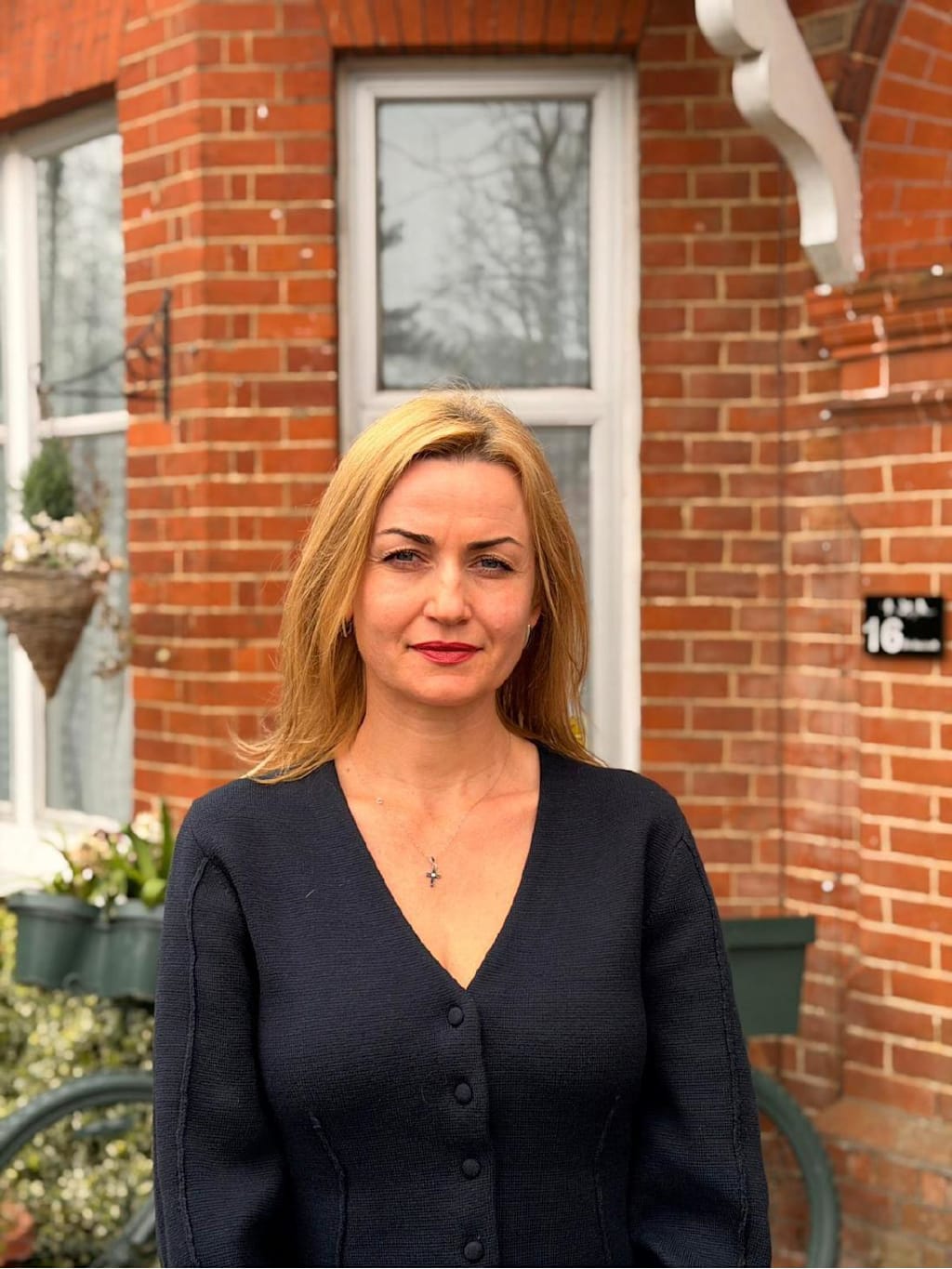
A manager at Cardinal Healthcare has shared a thoughtful perspective on the realities, rewards and future priorities of working in the care sector, highlighting the organisation’s strong resident-centred ethos, the value of supportive leadership, and the ongoing need for investment in staffing and service development.
With 28 residents and 32 staff members at the home, the manager, who has been part of Cardinal for 4.5 years, described the organisation’s culture as one that places the well-being of residents at the centre of daily care delivery.
According to the manager, Cardinal’s values closely align with their own professional purpose. They explained that working within the organisation offers a meaningful opportunity to make a positive difference in people’s lives every day, while also reinforcing the importance of maintaining high standards in a changing care environment.
Putting residents first in everything Cardinal does
Reflecting on their experience, the manager said Cardinal’s ethos creates a strong sense of purpose because the well-being of residents remains the priority in every aspect of the service. They also noted that staying competitive in today’s care landscape requires continued innovation, improved resident satisfaction and sustained investment.
This resident-first approach is supported by a wider vision for care quality and operational development. Behind that progress is the leadership vision of Sheth Jeebun, whose focus on building strong, compassionate and well-supported care environments continues to influence the direction of the centre.
His vision reflects the belief that excellent care is not only about meeting needs, but about creating places where residents feel safe, respected and genuinely valued.
Personal growth and purpose in the care sector

Speaking about the wider care sector, the manager described care work as both rewarding and demanding. They highlighted the opportunity it provides for personal growth, meaningful human connection and the chance to make a tangible difference in the lives of others.
They explained that empathy remains central to the role, helping care professionals build trust and supportive relationships with the people they look after. At the same time, they acknowledged that the sector can be emotionally and physically demanding, particularly when teams are supporting individuals with complex needs or responding to emotional distress.
Despite those pressures, the manager said they continue to find deep purpose in helping others, seeing improvements in residents’ well-being and offering comfort during difficult moments.
Positive progress and the importance of supportive leadership
Looking back on their time at Cardinal, the manager said they have seen many positive changes within the organisation. These developments, they noted, have improved the working environment, encouraged greater collaboration and increased day-to-day efficiency.
They also emphasised the importance of proactive and communicative senior leadership in addressing challenges across the care home sector. In their view, a supportive management structure with strong strategic oversight is essential for creating a resilient environment that can respond effectively to the increasing complexity of resident care.
This is where leadership vision matters. The long-term direction associated with Sheth Jeebun is seen as an important part of strengthening service quality, supporting teams and helping care centres adapt to rising expectations across the sector.
Staffing, equipment and regulation remain key priorities

The manager identified staffing levels and access to equipment as important priorities for the future. They noted that frequent legal and regulatory changes continue to place significant
pressure on care home teams, who must maintain consistent standards while adapting to evolving requirements.
They explained that maintaining high-quality care can become increasingly difficult when staffing structures do not fully reflect the level of support residents need. For that reason, they pointed to the importance of accurate dependency assessments.
When dependency assessments properly account for staffing levels, they provide a clearer and more realistic picture of a home’s ability to meet residents’ needs. This can help identify care gaps, reduce risks and support a safer and more effective care environment for everyone involved.
A continued commitment to better elderly care

The manager’s reflections present a clear picture of modern elderly care: one built on compassion, resilience, teamwork and the need for forward-thinking leadership.
At Cardinal Healthcare, that commitment continues to be shaped by a culture that values both residents and staff, while also recognising the operational realities facing the sector. With a strong internal ethos and a clear leadership vision from figures such as Sheth
Jeebun, the organisation continues to work towards a care model that is compassionate, sustainable and responsive to the needs of the people it serves.
About the Creator
ellenawrites
Ellena is a content writer and freelancer. How can I assist you further with your writing or projects?
Keep reading
More stories from ellenawrites and writers in Longevity and other communities.
How Sam Jeebun is Transforming the UK’s Healthcare Sector
Sam Jeebun has established himself as a respected figure in the UK’s healthcare and care home industry. As the managing director of Cardinal Healthcare, he brings decades of hands-on experience, leadership, and compassion to a sector that demands both expertise and empathy. His journey from a frontline caregiver to a healthcare leader reflects dedication, resilience, and a genuine commitment to improving lives.
By ellenawritesa day ago in Longevity
Microsoft's Purposeful Marketing Deception About AI's Ability To Beat Physicians In Diagnosis
When you look at the world of scientific research... If you are not careful... You will be fooled into believing things that are not actually supported by the data.
By Dr. Cody Dakota Wooten, DFM, DHM, DAS (hc)26 days ago in Longevity




Comments
There are no comments for this story
Be the first to respond and start the conversation.