
10 Digital Marketing Strategies Every Small Business Needs in 2026
Rather than focusing on trends alone, it emphasizes approaches that are consistently effective when applied thoughtfully.
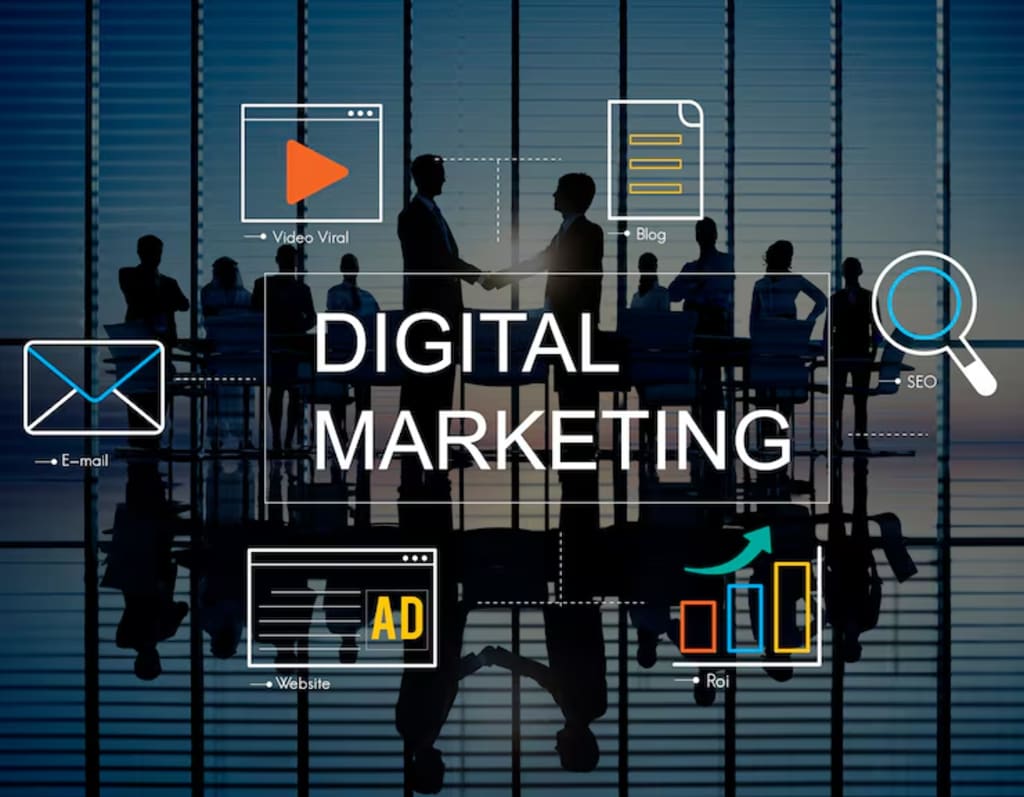
Digital marketing continues to evolve, but for small businesses and startups, the core challenge remains the same: how to attract, convert, and retain customers without wasting limited resources. While new tools and platforms appear every year, sustainable growth still depends on clarity, consistency, and understanding customer behavior.
This article outlines ten practical digital marketing strategies that are relevant in 2026. Rather than focusing on trends alone, it emphasizes approaches that are consistently effective when applied thoughtfully.
1. Prioritize a Clear and Functional Website
A business website serves as the foundation of all digital marketing efforts. Regardless of how traffic is generated—through search, social media, or paid campaigns—users eventually land on a website to evaluate credibility and take action.
A high-performing website does not need to be complex. Instead, it should focus on:
Clear messaging about services or products
Fast loading speed across devices
Simple navigation structure
Strong calls to action
Businesses that invest in clarity over design complexity often see better engagement and conversion rates.
2. Strengthen Local Search Visibility
Local search continues to be one of the most effective channels for small businesses, especially those offering location-based services.
Appearing in local search results increases visibility among users with immediate intent. This includes individuals searching for services “near me” or within a specific area.
Improving local visibility typically involves:
Maintaining accurate business listings
Encouraging customer reviews
Using location-specific keywords naturally
Ensuring consistent contact information across platforms
These efforts contribute to trust and discoverability without requiring large budgets.
3. Focus on High-Intent Content Creation
Content marketing remains valuable, but its effectiveness depends on relevance. Generic or overly broad content tends to underperform compared to content that addresses specific user needs.
High-intent content focuses on questions and concerns that potential customers already have. Examples include:
Cost-related queries
Comparisons between options
Common mistakes or misconceptions
Step-by-step explanations
When content aligns with user intent, it not only improves search visibility but also supports informed decision-making.
4. Use Search Engine Optimization as a Long-Term Strategy
Search engine optimization (SEO) is often misunderstood as a short-term tactic. In reality, it is a long-term investment that builds visibility over time.
Effective SEO in 2026 involves:
Structuring content for readability and clarity
Using relevant keywords without overuse
Optimizing page speed and mobile performance
Building topical authority within a niche
Businesses that consistently publish useful, well-structured content tend to achieve more stable and sustainable traffic growth.
5. Apply Paid Advertising with Defined Objectives
Pay-per-click (PPC) advertising can generate immediate traffic, but its success depends on strategy rather than budget size.
Instead of broad targeting, effective campaigns focus on:
Specific audience segments
Clear offers or services
Measurable goals (such as leads or inquiries)
Testing small campaigns and analyzing results before scaling helps reduce unnecessary spending. PPC is most effective when it complements organic efforts rather than replacing them.
6. Maintain Consistent and Purposeful Social Media Activity
Social media platforms provide opportunities to build awareness and engagement, but consistency is more important than frequency.
Rather than posting large volumes of content, businesses benefit from:
Sharing informative or relevant updates
Responding to audience interactions
Maintaining a consistent tone and message
A structured approach to social media helps reinforce brand identity and encourages ongoing engagement.
7. Incorporate Short-Form Video Content
Short-form video has become a dominant format across multiple platforms. Its effectiveness lies in its ability to communicate information quickly and clearly.
Businesses can use short videos to:
Explain services or processes
Address common customer questions
Share brief insights or tips
The emphasis should be on clarity and usefulness rather than production quality. Authentic and informative videos often perform better than highly produced but less relevant content.
8. Build and Utilize Email Communication Channels
Email marketing remains a reliable method for maintaining direct communication with customers. Unlike other platforms, it allows businesses to reach their audience without algorithm limitations.
An effective email strategy typically includes:
Collecting email addresses through website forms
Sharing updates, insights, or useful information
Maintaining a consistent but not excessive schedule
Over time, email communication supports relationship building and repeat engagement.
9. Leverage Customer Feedback and Social Proof
Customer feedback plays a critical role in influencing purchasing decisions. Reviews, testimonials, and user experiences contribute to credibility and trust.
Encouraging and showcasing feedback can:
Reduce hesitation among potential customers
Provide insights into service quality
Highlight strengths and areas for improvement
Authenticity is essential. Genuine feedback is significantly more effective than overly curated or exaggerated claims.
10. Monitor Performance and Adjust Accordingly
Digital marketing provides access to a wide range of data, but not all metrics are equally valuable. Focusing on relevant indicators helps businesses make informed decisions.
Key areas to monitor include:
Website traffic sources
Conversion rates
Customer acquisition trends
Engagement levels across channels
Regular evaluation allows businesses to identify what is working and refine strategies over time.
Conclusion
Digital marketing in 2026 is less about adopting every new tool and more about applying foundational strategies effectively. Small businesses and startups benefit from focusing on clarity, consistency, and audience relevance.
Each of the strategies outlined above contributes to a broader system in which different channels support one another. A well-structured website enhances conversions, content improves visibility, and consistent communication strengthens customer relationships.
Rather than attempting to implement everything at once, businesses may find it more effective to prioritize a few key areas and expand gradually. Sustainable growth is typically the result of steady improvement rather than rapid, short-term changes.
By maintaining a practical and informed approach, small businesses can navigate the evolving digital landscape with greater confidence and efficiency.
About the Creator
Keep reading
More stories from Saifullah Awan 2 and writers in Lifehack and other communities.
How to Choose the Best Key Maker Near Me for Reliable and Affordable Service in Dubai
Losing your keys can be one of the most inconvenient experiences, whether you're locked out of your home or dealing with a broken key while out in the rain. In a city like Dubai, where the pace of life never slows down, knowing where to turn for reliable and affordable key services can make all the difference. But choosing the right key maker isn't just about finding someone who can cut a duplicate key – it’s about trust, expertise, and ensuring the security of your home, car, or office.
By Saifullah Awan 26 days ago in Lifehack
Elderly Woman Behind the Table in a Large Town
The glass of Absinthe sat before me. It’s quite amazing how despite such terror rendered upon their stones in the preceding decades, these streets still held the beauty I first read about as a girl. I never dreamed I’d set foot on these cobbles, at least not safely.
By Matthew J. Fromm6 days ago in Art




Comments
There are no comments for this story
Be the first to respond and start the conversation.