
Tax Season Prep: Which Records to Keep, Purge, or Shred
Sort tax records with confidence. Learn which documents to keep, purge, or remove safely using a shredding service during tax season for better record control.

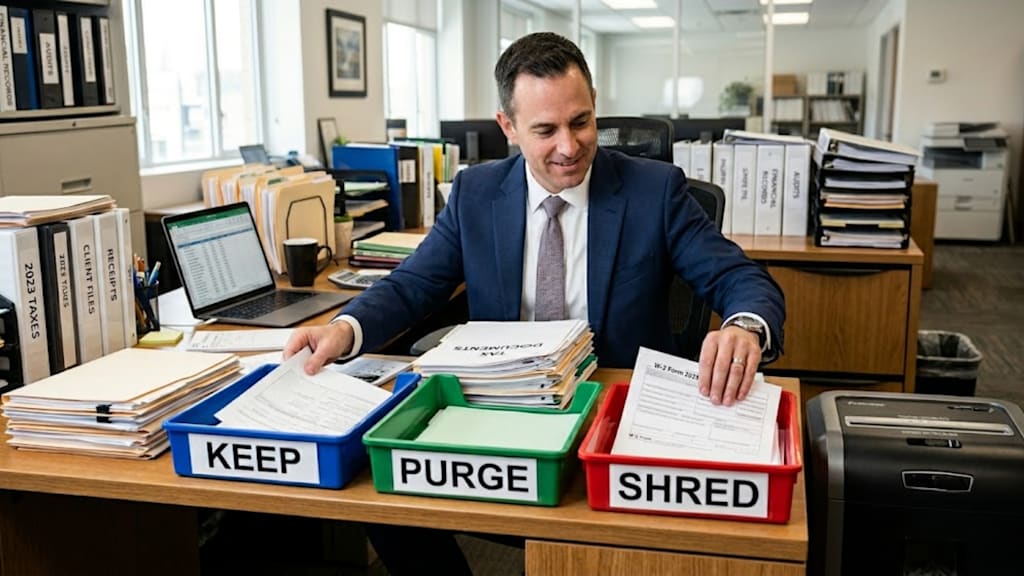
When tax season arrives, many businesses begin reviewing the records they have collected throughout the year. They have been collecting invoices and receipts, payroll files, contracts, and tax papers all year. These records often end up stored in drawers, folders, or digital systems until filing deadlines approach.
Businesses need to review all the tax-related papers they have collected. This is why many businesses use this period not only to prepare financial documents but also to review what still needs to be kept and what can finally be removed. A structured review, along with purge shredding services, can make the process easier by helping businesses clear outdated paperwork while protecting sensitive information.
Why Keeping Everything Is Not Always Helpful
A common habit in many small businesses is saving every document just in case it may be useful later. While that may seem safe, it often creates the opposite effect over time. Large volumes of old paperwork make filing systems harder to manage, slow down document retrieval, and take up unnecessary storage space.
The more records build up without a clear system, the more difficult it becomes to identify what is actually important during tax preparation. Old files can also create unnecessary risk if they contain financial or personal details that no longer need to be stored.
A practical retention routine helps businesses stay organised by separating active records from those that no longer serve a purpose.
Which Records Should Be Kept
Before throwing away paperwork, first need to figure out which ones should be kept. Some papers are important, for taxes, legal stuff, or tracking money. These usually include:
- Recent tax returns and other supporting papers
- Payroll records and employee tax files
- Contracts and agreements that are still active
- Invoices, receipts, and bank statements are still within retention periods.
Keeping these records organised makes tax filing easier and helps businesses stay prepared in case they are needed later for review or compliance.
Which Records Can Be Purged Before Filing
When records are separated, businesses can identify files that no longer need to be stored. These often include:
- Duplicate copies of documents that are already filed are no longer required for tax or audit purposes
- Old drafts that are no longer relevant
- Statements that no longer need to be kept for legal or financial reference
- Old internal paperwork that is not connected to current business operations.
Purging records before tax filing helps reduce clutter and creates a cleaner system for reviewing current financial information. It also becomes easier to focus on active records when unnecessary paperwork is removed first.
When Shredding Is the Safer Choice
After identifying records that no longer need to be kept, disposal becomes just as important as retention.
When you throw documents in the trash, you risk exposing your financial details and account numbers.
If sensitive records are discarded carelessly, the information could be misused for fraud or identity theft. This is also true for employee information and tax references. This is why it is very important to destroy documents in a way, especially for things like:
- Old tax forms
- Payroll summaries
- Financial Reports
- Supplier details
Expired contracts that have sensitive business information in them. Secure document destruction is really important for these kinds of records. Shredding helps ensure those records are no longer readable once removed from storage.
Why Tax Season Is a Good Time for a Record Clean-Up
Tax preparation already requires businesses to review financial records closely, which makes it one of the most practical times to clean up filing systems. Rather than checking documents one by one later in the year, businesses can use this time to review dates, categories, and the retention periods they need to keep them.
A review at this stage helps businesses
- Free up space in physical storage
- Reduce the number of digital files
- Keep records easy to find
- Prepare filing systems for the next financial year
- Doing a yearly clean-up also stops paperwork from piling up and becoming a bigger issue over time.
Common Mistakes Businesses Often Make
One of the most common mistakes is removing records too early without checking whether they still need to be retained. Another issue is keeping files without clear labels or dates. When records are stored without categories, it becomes difficult to know what should stay and what can go.
Some businesses also focus solely on paper records, forgetting that digital files may require the same level of attention. Files stored on drives, USB devices, or old systems should also be reviewed carefully.
Working with a reliable data destruction vendor can help businesses handle both physical and digital records more securely when disposal decisions become more complex.
Building a Simple Keep–Purge–Shred Routine
A simple routine makes tax-season document management easier each year. Many businesses find it helpful to divide records into three groups:
- Files that remain active
- Files that should be archived
- Files that are ready for disposal
This approach allows for faster decision-making. Stops old records from getting mixed up with the documents we are using now. When we label things by year or document type, it helps us keep everything for the future.
Good Record Decisions Support Better Tax Preparation
A clear document routine can make a difference when dealing with paperwork in the future. When files are reviewed regularly, businesses spend less time searching for missing paperwork and more time focusing on financial decisions that matter.
Small improvements in how records are sorted, stored, and cleared out each year can make future tax seasons feel far more manageable.
Even working with a shredding company becomes part of a broader habit of keeping business information organised, protected, and ready for whatever comes next.
FAQs - Shredding During Tax Season
Question 1: How long should small businesses keep tax records?
Answer: Many financial records are commonly kept for several years, depending on local tax and legal requirements. Important records should only be removed after confirming the retention period.
Question 2: Should duplicate financial documents also be stored?
Answer: No, duplicate copies usually do not need long-term storage once original records are safely organised and accessible.
Question 3: Can old invoices be shredded?
Answer: Yes, you can shred invoices when they are not needed for tax, accounting, or business purposes.
Question 4: Is tax season a good time to review stored files?
Answer: Yes, tax season naturally helps businesses identify which records are active, outdated, or ready for secure disposal.
Question 5: What kind of records should never go into regular waste?
Answer: Any document containing financial details, employee information, account numbers, or confidential business data should be securely destroyed.
About the Creator
Josephr Jones
I am joseph jones, Manager at Office Source, offer reliable shredding services tailored to meet all your document disposal needs. With a focus security & confidentiality, we ensures safe, eco-friendly solutions for your business.
Keep reading
More stories from Josephr Jones and writers in Journal and other communities.
Author’s Advice
If you would’ve asked me 20 years ago did I know I’d become a writer and an author, I would’ve said “nope, ain’t happening”. As fate would have it I did become an author and I can honestly say I’m loving it so far. It really does feel good to be a writer. I’ve learned a lot on this journey and I feel like with even me being as new to this world as I am, there’s some wisdom I need to share with every other aspiring author.
By Joe Patterson22 days ago in Journal
How to put together an affordable holiday in the Maldives
The Maldives is one of the priciest holiday destinations in the world, but if you are a smart saver, you can also have a budget-friendly stay there. Check out the advice we offer in this article to reduce the overall cost of your time in Paradise Nation. From affordable excursions to cheap food and discounts on accommodations, enjoy a fantastic vacation in the Maldives on a shoestring budget.
By Jeewanthi Armstrong6 days ago in Journal



Comments
There are no comments for this story
Be the first to respond and start the conversation.