
How the Law of Naval Warfare Applies to the Strait of Hormuz
Legal Boundaries in One of the World’s Most Tense Maritime Chokepoints
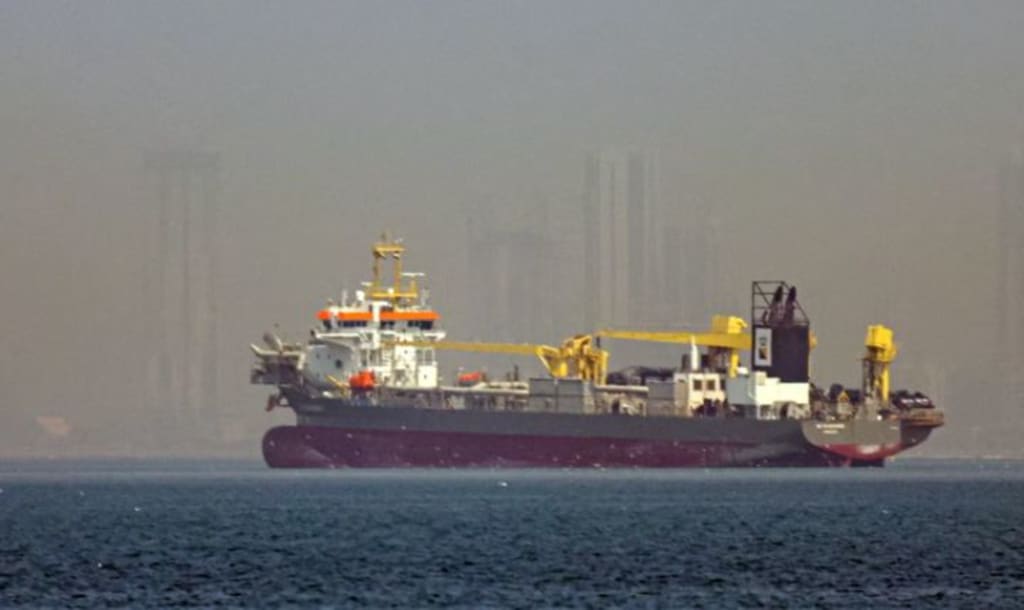
The Strait of Hormuz is one of the most strategically important waterways on the planet. Roughly a fifth of the world’s oil supply passes through this narrow corridor connecting the Persian Gulf to the Arabian Sea. In times of geopolitical tension, especially during conflicts involving regional powers, the strait becomes more than just a trade route—it transforms into a potential flashpoint governed by the complex rules of naval warfare.
Understanding how the law of naval warfare applies to the Strait of Hormuz is crucial, not only for military strategists but also for policymakers, shipping companies, and global markets. This article explores the legal frameworks that govern naval conduct in such a high-stakes maritime zone and what they mean in practice.
The Strategic Importance of the Strait
The Strait of Hormuz is only about 21 miles wide at its narrowest point, with shipping lanes even tighter. This makes it highly vulnerable to disruption. Any military confrontation in or around the strait can have immediate global consequences, particularly for energy prices and international trade.
Because of its significance, the strait is constantly monitored and patrolled by naval forces from multiple countries. In times of conflict, these waters may become subject to the laws of naval warfare, a specialized branch of international law that governs how states conduct military operations at sea.
What Is the Law of Naval Warfare?
The law of naval warfare is a subset of international humanitarian law (IHL). It regulates the conduct of hostilities at sea, balancing military necessity with humanitarian considerations. Its primary sources include customary international law, treaties, and military manuals such as the San Remo Manual on International Law Applicable to Armed Conflicts at Sea.
These laws determine what actions are permissible during naval conflict, including blockades, attacks on ships, and the treatment of neutral vessels.
Freedom of Navigation vs. Military Control
One of the key legal tensions in the Strait of Hormuz lies between the principle of freedom of navigation and the rights of states engaged in armed conflict.
Under international law, particularly the United Nations Convention on the Law of the Sea (UNCLOS), ships of all nations enjoy the right of transit passage through international straits. This means that even during peacetime tensions, countries cannot arbitrarily block or restrict passage.
However, during armed conflict, belligerent states may impose certain controls, provided they comply with the law of naval warfare. For example, they may:
Inspect vessels suspected of carrying contraband
Establish exclusion zones for military operations
Intercept or divert ships under specific conditions
Still, these actions must be proportionate and must not unnecessarily endanger civilian shipping.
Blockades and Their Legal Limits
One of the most contentious tools in naval warfare is the blockade. A blockade involves preventing ships from entering or leaving enemy ports to weaken their economy and military capabilities.
In the context of the Strait of Hormuz, a blockade would have enormous global implications. Legally, blockades are permitted under the law of naval warfare, but they must meet strict criteria:
Declaration and Notification: The blockading state must publicly declare the blockade and notify all affected parties.
Effectiveness: The blockade must be enforceable; a symbolic or ineffective blockade is not legally valid.
Non-Discrimination: It must be applied equally to all vessels, regardless of nationality.
Humanitarian Considerations: It must allow the passage of essential humanitarian goods.
Given the strait’s role in global commerce, enforcing a blockade without violating international law would be extremely challenging.
Neutral Ships and Their Protection
A large portion of traffic through the Strait of Hormuz involves neutral states—countries not directly involved in a conflict. The law of naval warfare provides specific protections for these vessels.
Neutral ships cannot be attacked unless they are:
Carrying contraband
Acting in support of a belligerent
Refusing to comply with lawful inspection
Even in such cases, force must be used as a last resort. The safety of the crew and passengers remains a priority, and any attack must adhere to the principles of distinction and proportionality.
This is particularly important in Hormuz, where commercial tankers, container ships, and fishing vessels often share the same waters.
Mining and Maritime Hazards
Naval mines are another critical issue in the Strait of Hormuz. Historically, mines have been used to disrupt shipping and exert pressure on adversaries. However, their use is tightly regulated.
Under the law of naval warfare:
Mines must be recorded and reported
They must not be laid indiscriminately
They must be removed after hostilities end
Uncontrolled mining in a narrow and heavily trafficked strait like Hormuz could endanger not just military targets but also civilian shipping, potentially violating international law.
The Role of Proportionality and Distinction
Two fundamental principles of international humanitarian law—proportionality and distinction—apply fully to naval warfare in the Strait of Hormuz.
Distinction: Parties must distinguish between military targets and civilian objects. Commercial vessels are generally considered civilian unless they are used for military purposes.
Proportionality: Even when attacking a legitimate target, the expected civilian harm must not be excessive in relation to the anticipated military advantage.
In a densely trafficked area like Hormuz, adhering to these principles is particularly difficult but absolutely essential.
Risks of Escalation and Miscalculation
One of the greatest dangers in the Strait of Hormuz is the risk of miscalculation. A single incident—such as the seizure of a tanker or an exchange of fire—can quickly escalate into a broader conflict.
The law of naval warfare aims to reduce such risks by providing clear rules of engagement. However, enforcement depends on the willingness of states to comply and the ability of international actors to hold violators accountable.
Conclusion: Law in a High-Stakes Environment
The Strait of Hormuz sits at the intersection of global commerce, regional conflict, and international law. The law of naval warfare provides a framework for managing military operations in this sensitive area, but its effectiveness ultimately depends on adherence by the states involved.
In theory, these legal rules offer a balance between military objectives and the protection of civilian life and commerce. In practice, the complexity of modern conflicts and the strategic importance of Hormuz make compliance both challenging and critical.
As tensions continue to shape the region, understanding the legal dimensions of naval warfare in the Strait of Hormuz is more important than ever—not just for governments and militaries, but for anyone concerned with global stability and economic security.
About the Creator
Author’s Advice
If you would’ve asked me 20 years ago did I know I’d become a writer and an author, I would’ve said “nope, ain’t happening”. As fate would have it I did become an author and I can honestly say I’m loving it so far. It really does feel good to be a writer. I’ve learned a lot on this journey and I feel like with even me being as new to this world as I am, there’s some wisdom I need to share with every other aspiring author.
By Joe Patterson23 days ago in Journal
How to explore Singapore River and Chinatown
Trendy, relaxed and filled with an abundance of highlights, Robertson Quay is an explorer’s dream! It is filled with interesting places you can visit for a memorable vacation. Filled with many eateries, cafes and restaurants as well as some key attractions close by, this is a great place to enjoy some tranquil vibes. Known as the perfect location to engage in some evening strolls before nightlife sets in, here is a look at how to make the best of your stay at Robertson Quay.
By Jeewanthi Armstrong7 days ago in Journal



Comments
There are no comments for this story
Be the first to respond and start the conversation.