
Engagement Letters vs. Proposals vs. Quotes: What Accounting Firms Should Know
Proposals tool


In the accounting industry, clear communication with clients is essential, especially when it comes to defining services, pricing, and expectations. However, many firms still confuse three important documents: proposals, engagement letters, and quotes.
While these documents may seem similar, they serve different purposes in the client journey. Understanding the difference helps accounting firms improve professionalism, reduce misunderstandings, and create smoother onboarding experiences.
What is a proposal?
A proposal is typically the first formal document shared with a potential client. It outlines the services a firm offers, explains how those services will benefit the client, and presents pricing in a structured way.
Proposals are often used during the sales process. Their goal is to help the client understand what the firm does and why it is the right choice. A well-written proposal focuses not just on services, but also on value.
For example, instead of simply listing bookkeeping services, a proposal might explain how accurate bookkeeping improves financial visibility and supports better decision-making.
Modern accounting firms often use proposal tools to create structured, consistent documents. These tools help standardise pricing, reduce manual work, and ensure proposals are delivered quickly.
What is a quote?
A quote is a simpler document compared to a proposal. It focuses primarily on pricing rather than explaining services in detail.
Quotes are usually used when the client already understands what they need. For example, if a client asks for the cost of payroll services for a specific number of employees, a quote provides a straightforward price.
Unlike proposals, quotes do not typically include detailed explanations, branding, or strategic positioning. They are more transactional and are often used in situations where the decision-making process is already advanced.
Because of this, quotes are faster to prepare but less effective for building trust or communicating value.
What is an engagement letter?
An engagement letter is a formal agreement between the accounting firm and the client. It is usually issued after the client has agreed to proceed.
This document defines the legal and professional relationship. It outlines:
- Scope of services
- Responsibilities of both parties
- Fees and payment terms
- Compliance and regulatory obligations
Engagement letters are important because they protect both the firm and the client. They ensure there is a clear understanding of what work will be delivered and help prevent disputes later.
Unlike proposals and quotes, engagement letters are not part of the sales process. They are part of the onboarding and compliance process.
Key differences explained
Although these three documents are connected, they are used at different stages of the client journey.
- Proposal → Used to win the client
- Quote → Used to provide quick pricing
- Engagement letter → Used to formalise the relationship
Proposals focus on value and communication. Quotes focus on cost. Engagement letters focus on legal clarity.
Understanding when to use each document can significantly improve how firms manage client interactions.
Why many firms are moving toward structured workflows
Many accounting firms still create these documents manually, which can lead to inconsistencies, delays, and errors. For example, pricing may vary between team members, or engagement terms may not align with what was discussed earlier.
To solve this, firms are increasingly adopting structured proposal workflows. Instead of creating separate documents manually, they use systems that connect proposals, pricing, and engagement letters into a single process.
This approach reduces duplication of work and ensures that all documents are aligned.
Some tools, such as the Outbooks proposal platform, are designed to help accounting firms manage proposals, pricing, and engagement workflows more consistently. These systems allow firms to move from proposal to engagement in a more streamlined and organised way.
Common mistakes firms should avoid
Many firms make simple mistakes when using these documents:
- Using quotes instead of proposals for complex services
- Skipping engagement letters or using outdated templates
- Sending inconsistent pricing across different clients
- Not clearly defining scope in engagement letters
Avoiding these mistakes can improve client trust and reduce operational issues.
Final thoughts
Proposals, quotes, and engagement letters each play a different role in the client journey. When used correctly, they help accounting firms communicate clearly, present services professionally, and establish strong client relationships.
As accounting practices continue to modernise, adopting structured workflows for these documents can improve efficiency, consistency, and overall client experience.
Understanding the difference is not just about documentation — it is about building a smoother and more professional client onboarding process.
About the Creator
Outbooks
Outbooks provides accounting outsource and bookkeeper service for UK businesses. Based in Harrow, London (HA3 5RN), we share insights on accounting, payroll, tax, and compliance to support smarter financial decisions.
Author’s Advice
If you would’ve asked me 20 years ago did I know I’d become a writer and an author, I would’ve said “nope, ain’t happening”. As fate would have it I did become an author and I can honestly say I’m loving it so far. It really does feel good to be a writer. I’ve learned a lot on this journey and I feel like with even me being as new to this world as I am, there’s some wisdom I need to share with every other aspiring author.
By Joe Patterson22 days ago in Journal
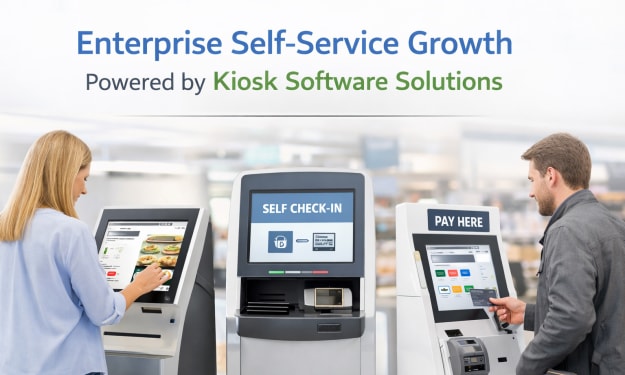
Enterprise Self-Service Growth Powered by Kiosk Software Solutions
Today, businesses are under increasing pressure to provide seamless customer experiences while optimizing operational costs. Self-service technology has become the backbone of digital transformation initiatives, which has brought about a paradigm shift in the way businesses engage with customers, employees and partners. Interactive kiosks have transformed from mere information-displays to intelligent platforms that generate revenue and optimize operations.
By Micck Davis5 days ago in Journal
Scones
Alright, let's not fuck about - here is what you need: Ingredients: 350g self raising flour 90g butter pinch of salt tsp of baking powder 3 tbsp caster sugar (or just normal white sugar would probably be fine) 175ml milk a squeeze of lemon a drop of vanilla an egg fresh strawberries, if they're in season Extra flour Even more flour Dried fruit (I consider this completely optional and usually leave it out)
By L.C. Schäfer4 days ago in Feast



Comments
There are no comments for this story
Be the first to respond and start the conversation.