
A loaf of bread full of emotions
The story of the worker and the loaf of bread.

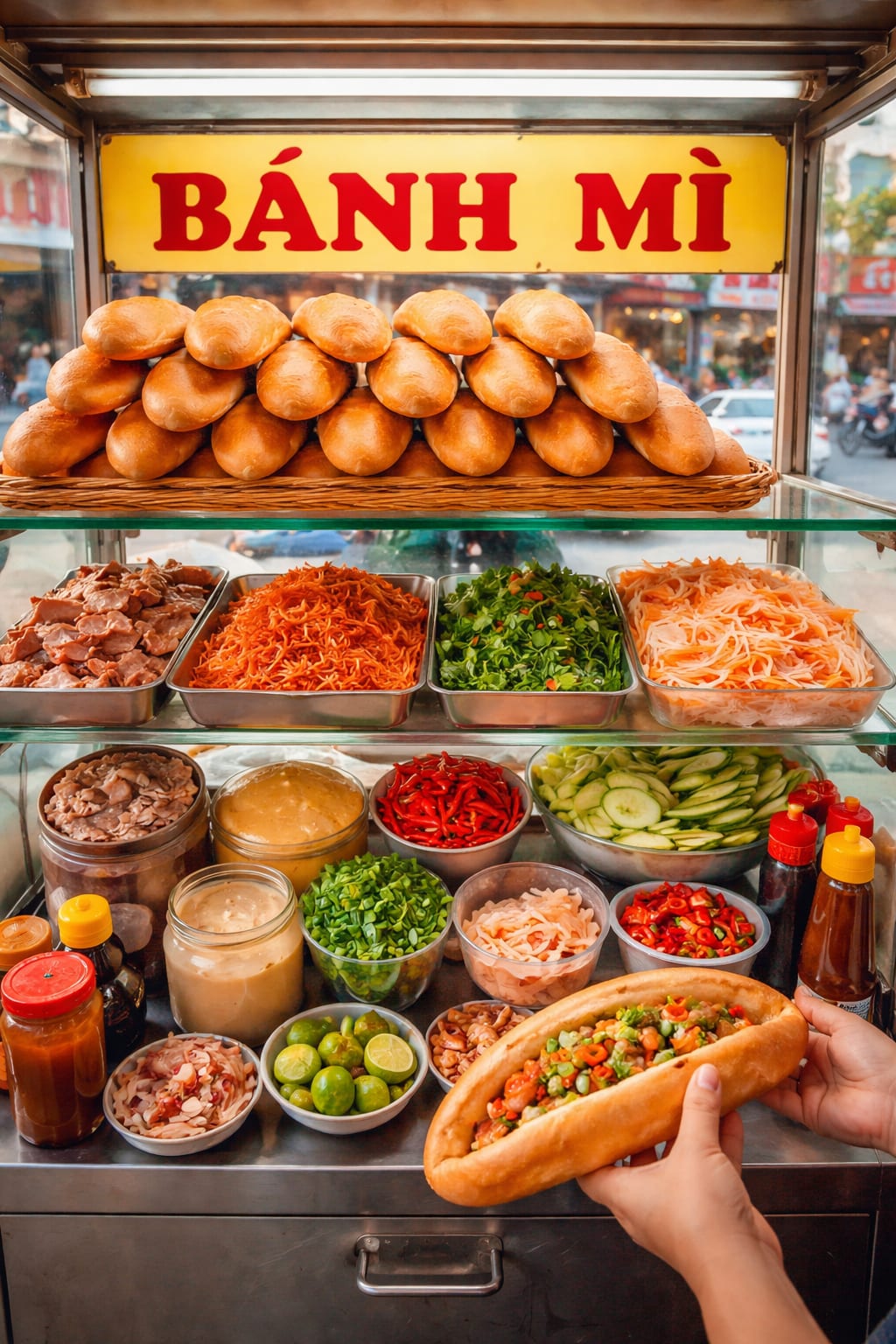
There are mornings that do not begin with the gentle chime of an alarm clock, nor with the comforting aroma of a warm kitchen. Instead, they begin with a hollow ache—an emptiness that gnaws quietly but persistently from within. It is the kind of hunger that doesn’t ask loudly, yet refuses to be ignored. And so, before the sky has even softened into dawn, people step out into the dim, gray light of the early day, carrying with them not dreams of abundance, but the simple hope of getting through another day. In their pockets lies just enough money for a single loaf of bread—something modest, unremarkable to many, yet for them, it becomes everything: breakfast, lunch, and sometimes the only meal they will have until night falls again.
Bread, in its simplicity, tells a story. To some, it is a quick bite between busy hours, a casual choice among countless options. But to those who live on the edge of survival, it is not a choice—it is a quiet necessity. They do not eat it because they love it. They eat it because life has given them no alternative.
On the side of a crowded street, a factory worker stands with tired eyes, his uniform still wrinkled from yesterday’s labor. In his hand is a small loaf of bread, already losing its warmth. He takes quick, efficient bites, not allowing himself the luxury of slowing down. Time, after all, is something he cannot afford to waste. Each bite is less about taste and more about function—a way to silence the hunger just long enough to endure the long hours ahead.
Not far away, beneath the sparse shade of a tree, a lottery ticket seller sits quietly. Her hands, worn by sun and time, hold onto her small livelihood. Between calls to passing strangers, she lifts a piece of bread to her lips, chewing slowly—not to savor, but to make it last. Her eyes never stop moving, always searching, always hoping for a customer, for a small stroke of luck in a life that rarely offers any.
And then there are the construction workers, their bodies coated in dust and sweat, the weight of their labor visible in every movement. During a brief pause—no more than a few precious minutes—they gather in silence. A loaf of bread is passed around, broken apart, shared without words. Hunger is a common language here; no explanation is needed. They eat quickly, knowing the break will end soon, knowing that the grind of work will resume without mercy.
Sometimes, that bread holds a thin layer of pâté, a few slices of cucumber, perhaps a trace of seasoning—just enough to give the illusion of a meal. But often, it is nothing more than dry, plain bread. No filling, no flavor, no comfort. And yet, it is enough. Enough to keep moving. Enough to keep going.
There are days when the rain falls without warning, soaking everything it touches. The bread becomes damp, heavy, losing even the little texture it once had. On other days, the sun burns relentlessly, turning the bread dry and hard, each bite requiring effort to swallow. But regardless of the weather, regardless of its condition, it remains a constant—a silent companion in a life filled with uncertainty.
What people rarely see, or perhaps choose not to see, is that these loaves of bread carry more than just sustenance. They carry stories. Stories of sacrifice, of resilience, of dreams quietly deferred. They carry the weight of families waiting at home, of children whose futures depend on the strength of those who endure. They carry the unspoken promise that no matter how hard today is, tomorrow must still be faced.
In a world that celebrates abundance, where meals are photographed, shared, and admired, these simple moments go unnoticed. The hurried bites on a sidewalk, the quiet meals eaten alone, the dignity maintained in the face of hardship—these are not the stories that often make headlines. Yet, they are the stories that define the lives of so many.
And still, within that hardship, there exists something profoundly human: hope. It lives in the way they wake up each morning despite exhaustion. It lives in the way they continue to work, to strive, to endure. It lives in the quiet belief that one day, things might be different.
Perhaps one day, that loaf of bread will no longer be a symbol of survival. Perhaps it will simply be a choice—something eaten out of preference, not necessity. Perhaps there will be a day when meals are no longer rushed, when hunger is no longer a constant companion, when sitting down to a warm, complete meal is not a distant dream, but an ordinary reality.
Until that day comes, the loaf of bread remains. Not just as food, but as a testament—to strength, to perseverance, and to the countless silent battles fought every single day.
Because in the end, what makes that simple loaf of bread feel so heavy is not its weight in the hand, but everything it carries within: the struggles unspoken, the sacrifices unseen, and the quiet, enduring hope that refuses to fade.
About the Creator
Keep reading
More stories from writers in Humans and other communities.
12 Life Lessons The Golden Girls Taught Us
Picture it: Miami, 1985. Four middle-aged actresses agree to play the characters of Blanche, Rose, Dorothy, and Sophia who share a home in a TV sitcom called The Golden Girls, unaware at the time of the kind of impact the show would leave on its adoring fans. The show aired until 1992, ending with a one-season spinoff called Golden Palace. The seven years we were graced with The Golden Girls on our television screens made its mark. More than three decades after Susan Harris’ imagination sparked the creation of these iconic characters, fans from around the world still watch reruns of The Golden Girls, spend time discussing the show on social media in Facebook groups like The Golden Girls Fanatics, carry Sophia-inspired handbags and relate to the episodes in their daily lives.
By Criminal Matters2 days ago in Humans



Comments
There are no comments for this story
Be the first to respond and start the conversation.