
10 Daily Habits That Damage Your Teeth Without You Realising
Daily Habits That Damage Your Teeth
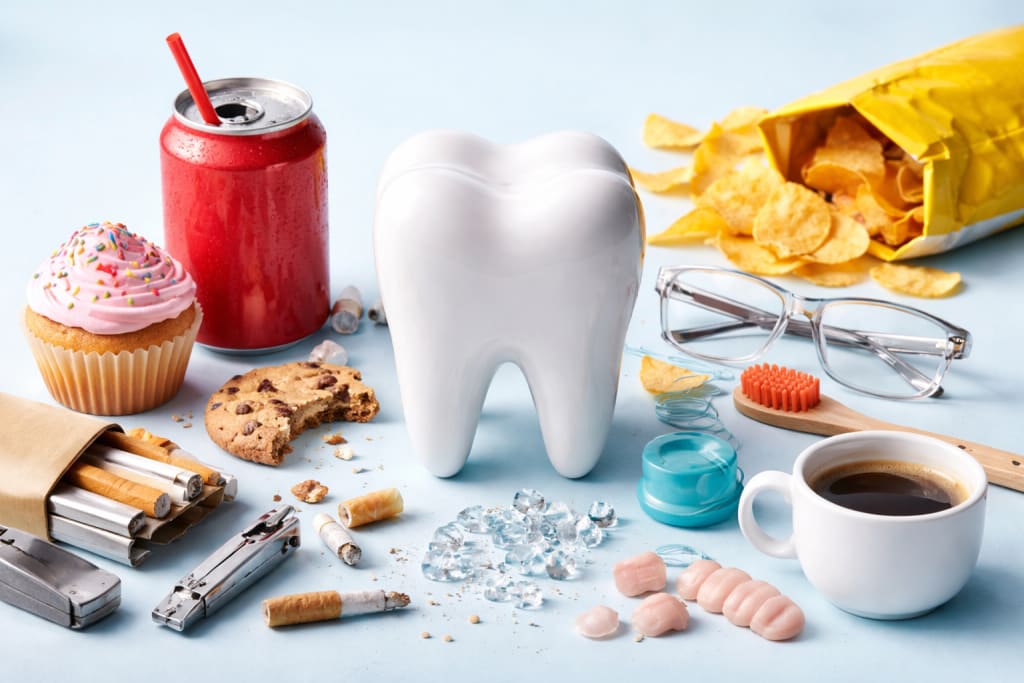
Most people believe dental problems only occur when brushing or flossing is ignored. In reality, several everyday habits can slowly damage teeth even when oral hygiene seems adequate. These habits may not cause immediate pain, but over time they can weaken enamel, irritate gums, and increase the risk of cavities.
Understanding these behaviours helps you make small changes that protect your teeth and prevent avoidable dental problems.
1. Brushing Too Hard
Brushing harder does not mean cleaning better. In fact, aggressive brushing can slowly wear down enamel and damage the gum line. Over time this may lead to tooth sensitivity and gum recession.
Dentists usually recommend using a soft bristle toothbrush and brushing gently in small circular motions. This technique removes plaque effectively without harming the protective enamel layer.
2. Frequent Snacking
Snacking throughout the day keeps your teeth exposed to acids for longer periods. Every time you eat, bacteria in the mouth break down food particles and produce acid. These acids gradually weaken enamel.
When snacks contain sugar or starch, the risk of tooth decay increases further. Limiting snacks and maintaining regular meal times can help reduce acid exposure.
3. Drinking Sugary or Acidic Beverages
Soft drinks, sports drinks, energy drinks, and fruit juices contain acids that slowly erode enamel. Many of these beverages also contain high amounts of sugar that feed cavity causing bacteria.
Frequent consumption can lead to enamel erosion and tooth sensitivity. Drinking water after acidic beverages helps wash away residue and reduce the effects on teeth.
4. Using Teeth as Tools
Many people use their teeth to open snack packets, tear plastic, or hold small objects. This habit places unnecessary pressure on teeth.
Teeth are strong but not designed for tasks like opening packaging. Using them this way can lead to chips, cracks, or even broken teeth.
5. Nail Biting
Nail biting is a common habit that affects both dental health and hygiene. Constant pressure on the front teeth may cause small fractures or uneven wear.
It also introduces bacteria from the hands into the mouth. Over time this habit can affect tooth alignment and increase the risk of infections.
6. Teeth Grinding or Clenching
Teeth grinding, also called bruxism, often occurs during sleep or during periods of stress. Many people are unaware that they grind their teeth until symptoms appear.
Grinding slowly wears down enamel and may lead to jaw discomfort, headaches, and increased tooth sensitivity. Dentists often recommend night guards to protect teeth from grinding damage.
7. Skipping Daily Flossing
Brushing alone cannot clean the tight spaces between teeth. Food particles trapped in these areas allow bacteria to grow and form plaque.
Without flossing, plaque can harden into tartar and increase the risk of cavities and gum disease. Daily flossing helps remove debris and keeps these difficult areas clean.
8. Chewing Ice
Chewing ice may seem harmless, but it can damage tooth enamel. Ice is extremely hard, and biting it repeatedly can cause cracks or small fractures.
This habit can also damage dental fillings or crowns and increase tooth sensitivity.
9. Tobacco Use
Smoking or using tobacco products significantly affects oral health. Tobacco stains teeth and increases the risk of gum disease, persistent bad breath, and tooth loss.
Long term tobacco use is also linked to a higher risk of oral cancer. Avoiding tobacco is one of the most effective steps for maintaining healthy teeth and gums.
10. Ignoring Regular Dental Checkups
Dental problems often develop slowly and may not cause pain during the early stages. Cavities, gum inflammation, and enamel damage can progress without noticeable symptoms.
Regular dental checkups allow dentists to identify problems early and provide treatment before they become more serious. Preventive visits also help maintain long term oral health.
Small Daily Changes Can Protect Your Teeth
Many dental problems are linked to daily habits rather than sudden issues. Simple changes such as brushing gently, limiting sugary drinks, avoiding chewing hard objects, and maintaining regular dental visits can make a significant difference.
Healthy teeth are supported not only by brushing and flossing but also by consistent habits that protect enamel and gums every day.
About the Creator
Keep reading
More stories from Expert Dentist and writers in Humans and other communities.
My First Time Skiing and I Got Lost, Alone, in the French Alps
Looking back, I can trace some of my life’s biggest adventures to a simple action from my sister. She’d introduced me to Tommy (a very long time ago), a colleague of hers, who had overshared his penchant for Italian-looking women, and I ticked that box.
By Chantal Christie Weiss5 days ago in Humans
THE MOST DANGEROUS RELATIONSHIP RED FLAGS THAT APPEAR TOO LATE
The Psychology of Silent Resentment in Relationships Not all relationship problems are loud. Some don’t show up as shouting, insults, or dramatic fights. Instead, they grow quietly beneath the surface. Smiles become forced. Patience becomes thinner. Affection feels mechanical.
By The Curious Writer6 days ago in Humans
Everyone Is Acting Normally Challenge Winners
In the Everyone Is Acting Normally challenge, something is clearly wrong, but no one stops to name it. Across the shortlist, that wrongness appears as resurrections, surveillance, disappearance, and denial, each treated as part of daily life.
By Vocal Curation Teamabout 4 hours ago in Resources



Comments
There are no comments for this story
Be the first to respond and start the conversation.