
Why the Dollar Didn’t Collapse (Yet): The Brutal Truth Behind America’s ‘Fake Crisis’ Everyone Misread
for years, people have been predicting the same thing
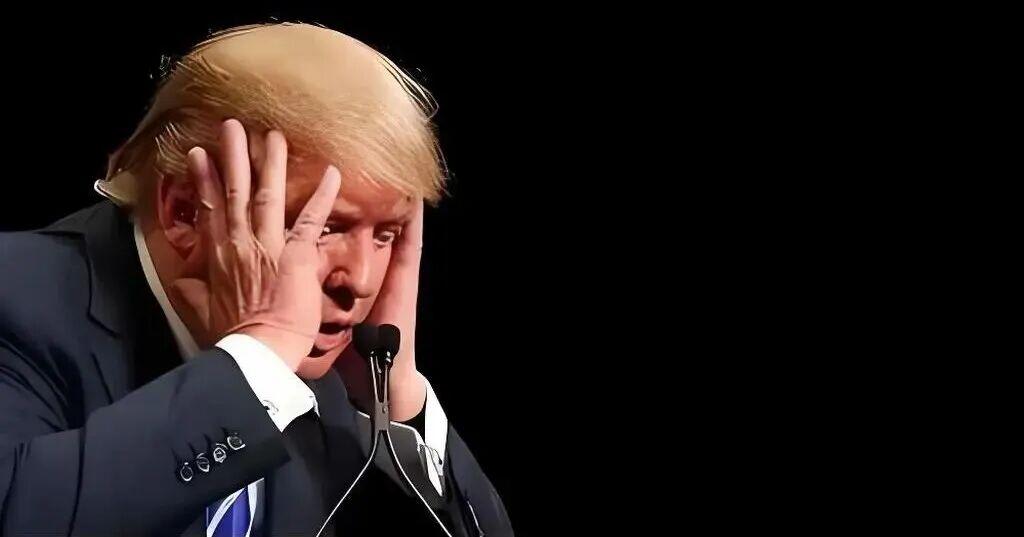
“The U.S. will default. The dollar will crash. The system will collapse.”
And yet… it didn’t happen.
No sudden meltdown.
No global panic.
No dramatic “end of the dollar.”
So what went wrong with the prediction?
Or more importantly…
What are people still misunderstanding?
I. The Expectation: A Collapse That Never Came
Let’s be honest—the narrative felt convincing.
- Rising U.S. debt
- Endless money printing
- Geopolitical tensions
- Growing talk of “de-dollarization”
It looked like the perfect setup for collapse.
But reality didn’t follow the script.
Because the global financial system doesn’t run on simple logic.
It runs on something much harder to break:
Dependence.
II. The Dollar Isn’t Strong—It’s Necessary
Here’s the uncomfortable truth:
The dollar’s power isn’t just about strength.
It’s about lack of alternatives.
The United States doesn’t just issue a currency—it sits at the center of:
- Global trade settlement
- Financial markets
- Debt infrastructure
Even countries that want to move away from the dollar… still rely on it daily.
So when people say:
“Why didn’t the dollar collapse?”
The answer is simple:
Because the world isn’t ready to function without it.
III. The Hidden Reality: The System Is Under Stress
Now here’s where things get interesting. Just because it didn’t collapse doesn’t mean everything is fine.
Underneath the surface:
- Central banks are buying gold aggressively
- Bilateral trade is shifting toward local currencies
- Confidence is slowly fragmenting
This isn’t stability. It’s controlled tension.
Think of it like a bridge carrying too much weight:
It hasn’t collapsed—but engineers are quietly reinforcing it.
IV. Why China (and Others) Didn’t Replace the Dollar
A lot of people assume that if the dollar weakens, another currency—like the yuan—will take over quickly. But that’s not how global power works.
Take China as an example.
Despite pushing for RMB internationalization since 2013, progress has been slow.
Why?
Because becoming a global currency requires more than economic size:
- Deep, open financial markets
- Global trust in legal systems
- Military and geopolitical backing
- Willingness to absorb global capital shocks
In simple terms:
You don’t just replace the dollar—you inherit its burdens.
And right now, no country is rushing to do that.
V. The Dollar’s “Survival Strategy” Is Brutal
So how does the U.S. keep the system alive?
By doing something aggressive—and risky:
- Raising interest rates
- Attracting global capital into U.S. assets
- Keeping financial markets attractive
This pulls money back into the dollar ecosystem.
But there’s a cost.
It can:
- Hurt domestic industries
- Increase debt pressure
- Slow long-term growth
In other words:
The U.S. is defending the dollar… by sacrificing parts of its own economy.
VI. The Real Reason Collapse Didn’t Happen: No One Wants It To
Here’s the part most people ignore.
A dollar collapse wouldn’t just hurt the U.S. It would hurt everyone.
- Countries holding dollar reserves would lose value
- Global trade would freeze temporarily
- Financial markets would face massive instability
So even rivals of the U.S. are cautious. They don’t want a sudden collapse. They want a gradual transition.
VII. What’s Actually Happening Instead
Instead of collapse, we’re seeing something slower—but more profound:
- A quiet redistribution of power.
- The dollar is losing relative dominance
- Other currencies are gaining incremental share
- Gold is re-emerging as a neutral asset
This isn’t a crash. It’s a slow erosion.
VIII. The Next 10 Years: A More Fragmented Financial World
Looking ahead, the likely outcome isn’t:
“Dollar disappears”
It’s:
“Dollar shares space”
We may see:
- 60–70% dominance instead of near-total control
- Regional currency blocs emerging
- Increased use of alternative settlement systems
Even if China gains ground, it won’t “replace” the dollar overnight.
IX. The Misconception That Keeps Fooling People
People expect collapse to look like:
- A sudden crash
- A dramatic headline
- A clear turning point
But real systemic change looks like:
- Gradual shifts
- Conflicting signals
- Long periods of “nothing happening”
That’s why so many predictions feel wrong. They’re not entirely incorrect— just premature. It will simply take a piece of the pie.
Final Thought: The Dollar Didn’t Collapse… But the Story Isn’t Over
If you zoom out, the real story isn’t:
“Why didn’t the dollar collapse?”
It’s:
“Why is the world slowly preparing for a future where it might?”
Because that’s what’s actually happening.
- Not panic.
- Not collapse.
- But quiet positioning.
And in global finance, the biggest shifts rarely happen in chaos.
They happen in silence—right before everyone suddenly notices.
About the Creator
The Vietnam War
On March 16, 1968, soldiers of Charlie Company entered the Vietnamese village of My Lai expecting to find Viet Cong fighters but instead found only unarmed civilians, mostly women, children, and elderly men, and over the next four hours they systematically murdered between 347 and 504 people, raping women before killing them, bayoneting children, and burning homes with families inside, and when their commander Lieutenant William Calley ordered them to stop shooting because there was no one left to shoot, the U.S. military covered up the massacre for over a year until investigative journalist Seymour Hersh broke the story, and even then only one person was convicted despite dozens of soldiers participating in the killing.
By The Curious Writer4 days ago in History
The Prophet’s Hospitality and Honoring of Guests
The Prophet’s Hospitality and Honoring of Guests The Prophet (PBUH) and his companions often endured long stretches of hunger. Only when the pain of starvation became entirely unbearable would they mention it to others. Yet, whatever little food they had at home was always happily offered up to entertain and honor their guests. They never turned a guest away or treated them with anything less than deep respect. The following Hadith beautifully illustrates the Prophet’s (PBUH) remarkable hospitality.
By Amir Husen5 days ago in History


Comments
There are no comments for this story
Be the first to respond and start the conversation.