
The "Trump-Putin" Twist: How a Middle East War Just Accidentally Saved the Russian Ruble
Is this the "America First" strategy?
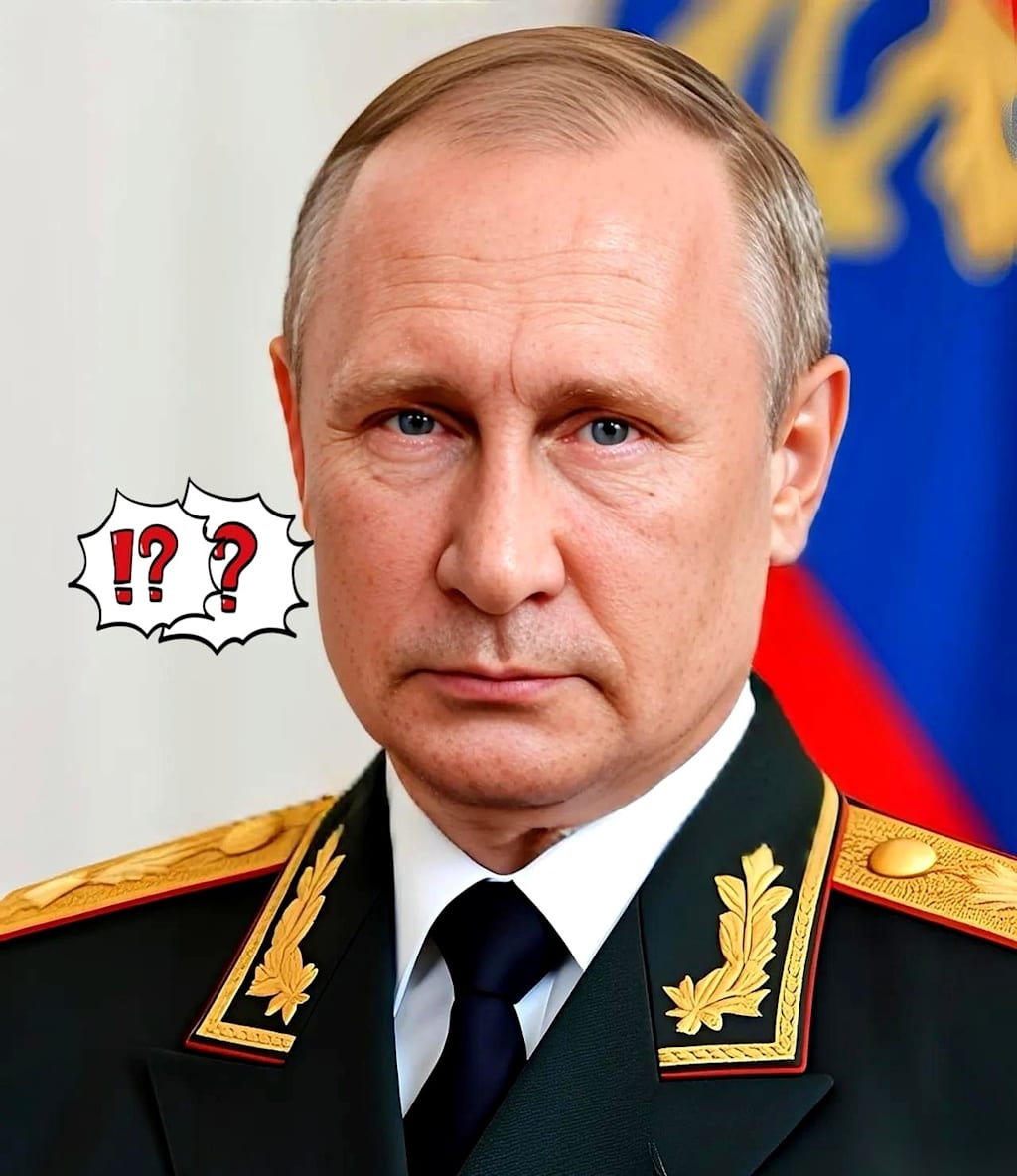
If you had "Donald Trump accidentally becomes Russia’s top salesman" on your 2026 bingo card, go ahead and collect your winnings.
While the headlines are screaming about the U.S. and Iran locking horns in the Middle East, there is a massive, quiet shift happening in the global oil markets. And the winner isn't Washington, and it certainly isn't the American consumer. It’s Vladimir Putin.
In what can only be described as a masterclass in unintended consequences, the Trump administration’s aggressive stance against Iran has effectively solved Russia’s biggest economic nightmares in one fell swoop.
The "Side Door" is Open: South Korea Leads the Charge
The shockwaves started when South Korea—a staunch U.S. ally that usually bows to Washington’s sanctions—announced the import of 27,000 tons of Russian oil.
For months, Russia was the "discount bin" of the energy world. They were begging India to buy barrels at a loss just to keep the lights on. But the moment the U.S.-Iran conflict turned the Strait of Hormuz into a no-go zone, the math changed.
Suddenly, the U.S. revealed a "loophole": a 30-day window allowing countries to snap up Russian oil already at sea. It’s like a nightclub bouncer claiming the front door is locked while leaning heavily against a propped-open side entrance. South Korea walked through, and now the rest of the world is sprinting to follow.
From "Sanctioned" to "Sought After"
Remember 2023? Russia's energy revenue was in a freefall, dropping 24%. By early 2025, Moscow was actually lowering its own forecasts, bracing for a future where they had zero bargaining power. They were selling to India at "please-just-take-it" prices, often $7 below market rate, and dealing with slow payments and constant ghosting from refineries scared of U.S. pressure.
Then came the Trump-Iran standoff.
As maritime transport in the Middle East strained and shipping companies hit the brakes, the world stopped "picking and choosing" and started "grabbing."
The Price Jump: Russian seaborne crude leaped from $50 to nearly $90 a barrel.
The Buyer Flip: India, which had been stalling on deals to stay in Washington's good graces, suddenly reversed course. Seven tankers originally idling in the ocean suddenly pulled a U-turn and headed straight for Indian ports.
The Ally Effect: With South Korea buying, the "stigma" is gone. Thailand is at the table, Japanese politicians are whispering about reassessing sanctions, and Sri Lanka is lining up.
The $10 Billion Monthly "Thank You" Note
The numbers on the ledger are staggering. Russia built its 2026 budget expecting oil to sit at around $59 per barrel. Instead, they’re cashing in at rates way above that.
In April alone, Russia’s oil and gas revenue surged by 90% year-on-year. We’re talking about $10 billion in new, unexpected revenue in a single month.
The War Machine: Frontline logistics and equipment upgrades no longer have to run on "hopes and prayers." The cash flow is stable enough to keep the gears turning without draining the national treasury.
Internal Stability: Russia was facing "supermarket inflation"—the kind that makes ordinary people start asking uncomfortable questions. This influx of cash allows the civilian sector to catch its breath and prevents a total domestic meltdown.
A Balanced Book: Russia’s 2026 GDP is projected to hit 235 trillion rubles, with a deficit of only 1.6%. That’s not a country on the brink of collapse; that’s a country that just found its second wind.
The Ultimate Irony
The goal of "Maximum Pressure" was supposed to be about squeezing adversaries until they broke. Instead, by turning the Middle East into a powder keg, the U.S. has made Russian oil the most attractive "safety net" on the planet.
Russia didn't even have to play a brilliant hand; they just had to sit back and watch as the U.S. administration accidentally dismantled the very sanctions wall it spent years building.
It’s the kind of irony that doesn't just sting—it shows up in the bank statements. While Trump focuses on "winning" in the Middle East, he’s effectively handed Putin the keys to the global energy vault.
Is this the "America First" strategy, or are we just watching the world's most expensive accidental bailout?
About the Creator
The White Labyrinth: The Lethal Geometry of Himeji Castle
1. The Optical Illusion of Peace From a distance, Himeji Castle (Himeji-jo) looks like a delicate bird taking flight, earning it the nickname "The White Heron." Its pristine white walls and elegant multi-tiered roofs suggest a palace of peace rather than a fortress of war. But this elegance is the ultimate samurai deception.
By Takashi Nagayaa day ago in History
Year 1824 Fun Facts, Trivia, and Historical Events
This quick read presents a collection of fun facts, trivia, and historical events from the year 1824. Discover the year’s top news stories, most influential people, historic firsts, famous birthdays, retail prices, and much more.
By Gregory DeVictora day ago in History
Elderly Woman Behind the Table in a Large Town
The glass of Absinthe sat before me. It’s quite amazing how despite such terror rendered upon their stones in the preceding decades, these streets still held the beauty I first read about as a girl. I never dreamed I’d set foot on these cobbles, at least not safely.
By Matthew J. Fromm6 days ago in Art

Comments
There are no comments for this story
Be the first to respond and start the conversation.