
Remembering Germany's Most Famous Battles of the World Wars
The Most Famous German Battles in History
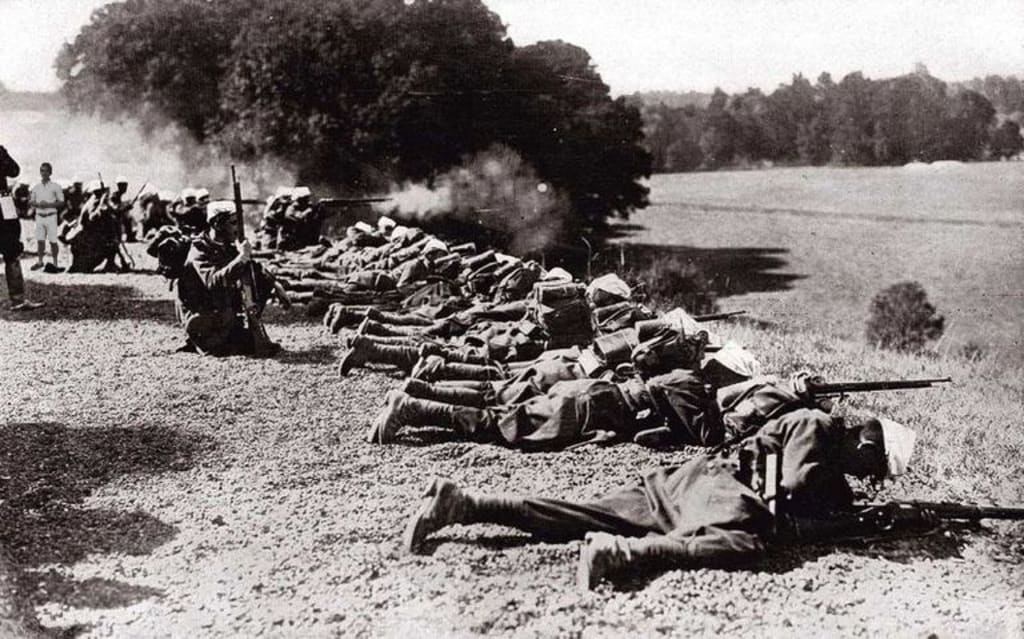
There were a few famous German battles of the world wars on land and sea. In both Europe and beyond, some of the largest battles of these wars included the German army or navy. These are a few of the more famous German battles of World War I and World War II.
Battle of the Marne
The Battle of the Marne was one of the battles of World War I that ensured Germany’s defeat. After their swift advance into France, the German army was halted at the Marne by French and British troops. The withdrawal of the German army during this battle ensured that France remained undefeated and that the war would continue beyond 1914.
Battle of Jutland
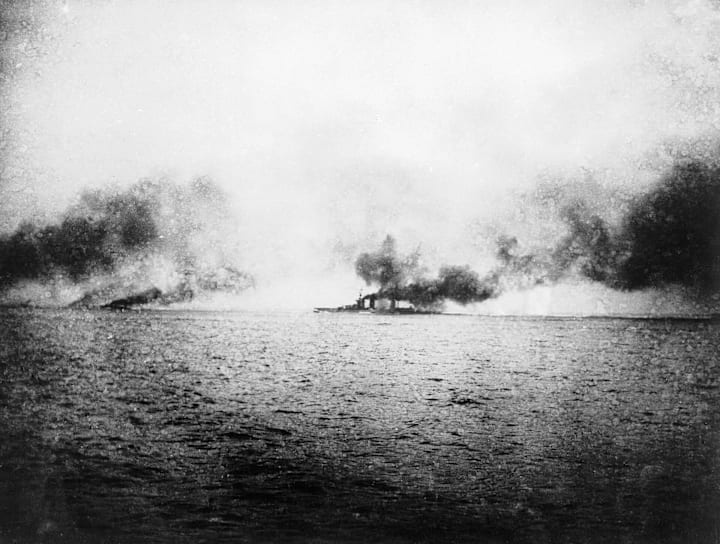
The largest naval battle of the First World War was that of the Battle of Jutland, which included the fleets of the Royal Navy and Imperial German Navy. It was one of the few surface fleet battles that included the Imperial Navy, the German Navy, and its dreadnoughts. During the battle, the Germans sank a number of British battleships, but this was not enough to ensure their victory, as they later withdrew from the battle. The Royal Navy’s blockade had not been broken, and so the Battle of Jutland was more of a defeat than a victory for the IGN.
Battle of Amiens
One of the final battles of the First World War, and the most decisive, was that of the Battle of Amiens. At Amiens, the Entente (Britain, France, and America) threw tanks, cavalry, and aircraft into the battle alongside their troops. This combination was effective and ensured that the Entente penetrated the German lines around Amiens. Thousands of German troops surrendered as the Entente advanced a number of miles. The defeat of the German army at this battle left the pathway open for further Entente advances towards Germany. The November armistice ended the war in 1918 months later.
The Bulge
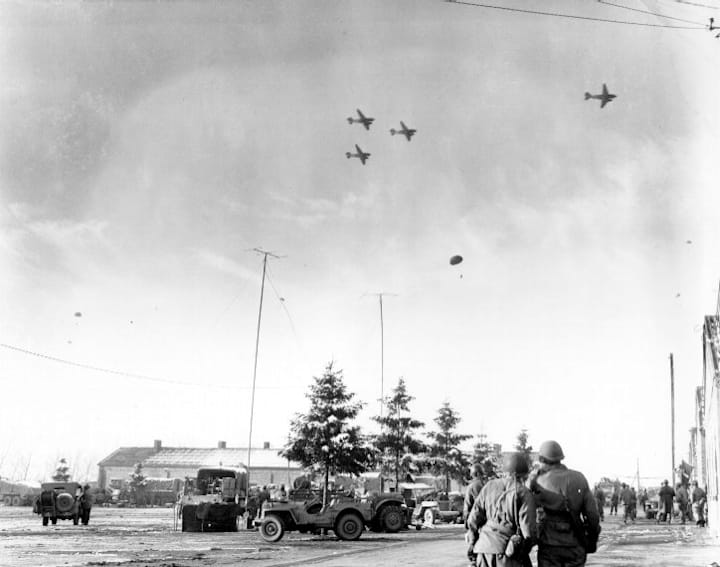
By the winter of 1944, the German army was seemingly defeated as the Allies advanced in both east and west. However, as the Allied advance had stalled in the west, Germany planned one final advance targeting the Allied port of Antwerp. If effective, the Allied armies would be split, and the loss of a vital port would cut off their supply line.
The German army struck at the thin Allied lines around Ardennes to begin an advance that would reach Bastogne. Although Bastogne could not be taken by the German army during the Siege of Bastogne, their advance gradually ran out of fuel as their tanks were abandoned. As the weather cleared, Allied aircraft renewed bombing campaigns at German positions, and by 1945, the Allies had restored their lines. The last reserves of the German army had been defeated, and the Luftwaffe was shattered after the battle. Months later, VE Day was celebrated in Europe.
El Alamein
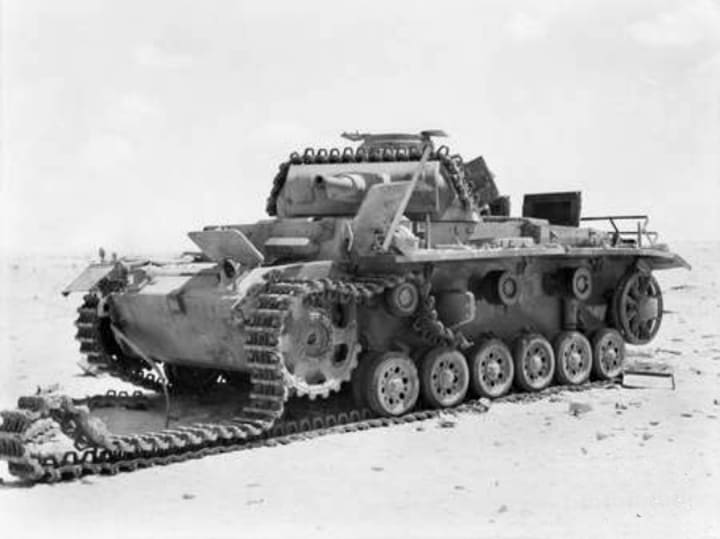
During the Second World War the deserts of North Africa had become a battleground for the British, Italian, and German armies. The Suez Canal was the target for the Afrika Korps, which, if taken, would cut Britain’s oil supplies. By 1942, the Afrika Korps had won a notable victory at the Battle of Gazala when they took the British at Tobruk, and only the British Eighth Army at El Alamein stood in the way of their advance towards the Suez. Britain had hundreds of thousands of troops to call upon, and with a greater number of tanks, they had enough to defeat the Afrika Korps at the Battle of El Alamein. The Afrika Korps retreated from El Alamein, and short of fuel and other supplies, they would surrender to the Allies in Tunisia in 1943.
Battle of Kursk
The Battle of Kursk was one of the largest tank battles of World War II that took place around Kursk in the USSR in 1943. Operation Citadel outlined the battle plan for a renewed German advance in the USSR, and supported with thousands of tanks and aircraft, the German army advanced toward Kursk. However, they could not make the required breakthroughs during the battle, and after the loss of Kharkov the Red Army had all but won the battle. After the battle, the Germans continued their retreat from the USSR.
These were a few of the famous German battles during the World Wars. They were among the largest battles of the world wars that involved millions of soldiers and thousands of sailors of the German army and navy. For the Entente in World War One, and the Allies in the war that followed, they were among the battles that ensured their victory.
About the Creator
Matthew A
Matthew is the author of Battles of the Pacific War 1941-1945. Battles of the Pacific War is available on Amazon and Lulu in e-book and paperback formats. Check out the book’s blog at battlesofthepacificwar.blogspot.co.uk.
Corinne Griffith (1894-1979)
By Brian D’Ambrosio Corinne Griffith, born November 21, 1894, in Waco, Texas, became one of the most admired figures of the silent film era, celebrated for her elegance, poise, and expressive subtlety on screen. Known as “The Orchid Lady of the Screen,” Griffith cultivated an image of refinement and emotional restraint that set her apart from her contemporaries. Beneath the Hollywood persona lay a Texas childhood shaped by her Italian ancestry and the civic prominence of her maternal family, whose accomplishments left a lasting impression on her sense of artistry, ambition, and cultural awareness.
By Brian D'Ambrosio 6 days ago in History


Comments
There are no comments for this story
Be the first to respond and start the conversation.