
Fake Ceasefire or Market Trap? Why Stocks Are Pumping on Hope While Smart Money Stays Cautious
Is the Strait of Hormuz Crisis Really Ending — or Just Another Trap?”
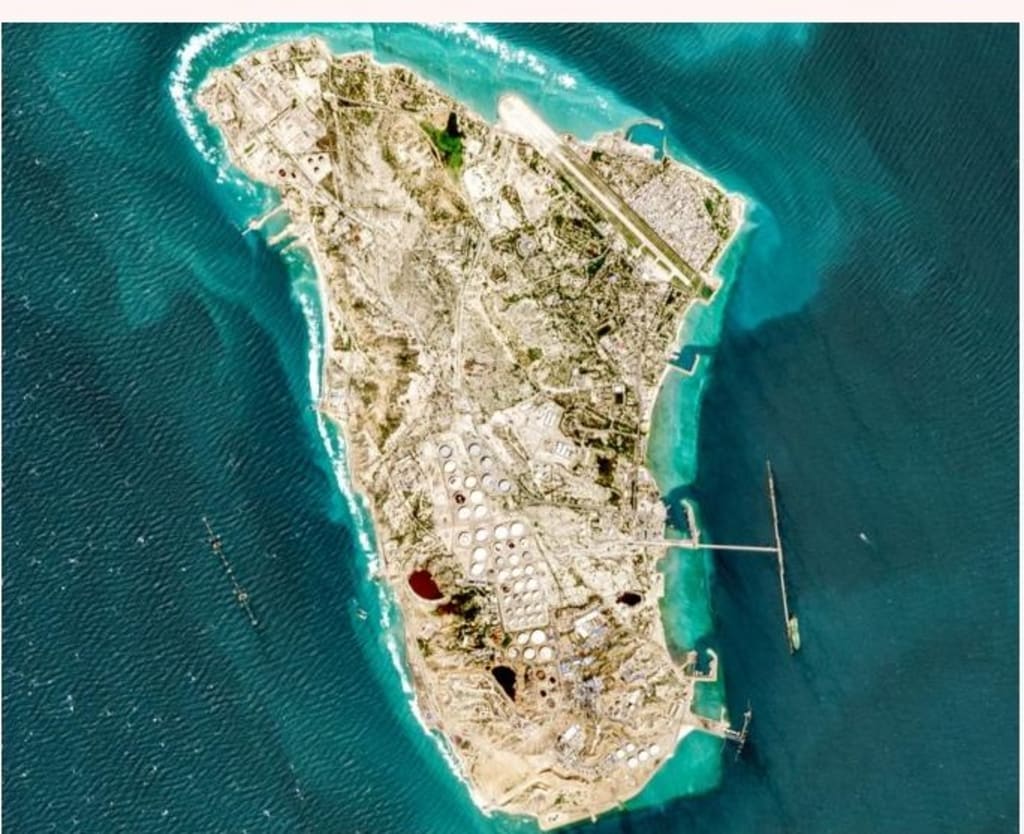
Markets didn’t rally on facts. They rallied on a story.
One circulating article — no official confirmation, no signed document — suddenly flipped global sentiment. Stocks jumped, fear eased, and traders who were panicking yesterday started buying like the war had already ended.
But here’s the uncomfortable truth:
Markets don’t move on reality. They move on belief.
And belief, right now, is dangerously fragile.
Act I: The “Ceasefire Framework” That Feels… Off
According to circulating claims, Iran is demanding guarantees from the five permanent members of the UN Security Council, along with major energy consumers like Japan, to act as observers in negotiations.
At the same time:
- Russia insists on China joining the process
- Pakistan reportedly mediates successfully
- And Donald Trump is expected to announce a “historic solution”
Sounds big. Sounds global. Sounds… too perfect.
Because when you zoom in, the cracks start showing.
Contradiction #1: Winners Don’t Rush to Peace
Russia is benefiting from high oil prices.
War tightens supply → prices rise → exporters profit.
So why would it urgently push for a ceasefire?
That’s like a casino owner asking to shut down the table while players are losing.
Contradiction #2: Japan as a “Guarantor”?
Japan stepping in as a security guarantor sounds diplomatic — but strategically unnecessary.
Its alignment with the US makes it an unlikely neutral anchor for Iran.
So why include it? The answer may not be strategy — it may be optics.
Contradiction #3: The Trump Pattern
If you’ve watched Donald Trump long enough, you know the playbook:
- “Progress” becomes “almost done”
- “Almost done” becomes “deal reached”
- “Deal reached” becomes “historic victory”
Before anything is actually signed. If this framework were real and complete?
You’d already hear victory speeches — loud, repeated, everywhere.
Act II: Markets Don’t Care About Truth — Only Timing
Look at what actually happened across assets:
- Stocks: explosive rebound
- Gold: already rising earlier
- Bonds: yields falling after Jerome Powell comments
- Oil: still elevated
This sequence tells a deeper story.
Reality Check: This Is Not Confirmation — It’s Relief
Think of it like this:
When you’ve been losing badly at a casino, even a small win feels like a jackpot.
That’s exactly what happened. The market wasn’t celebrating peace.
It was escaping fear — temporarily.
Why Stocks Moved Last
Smart money moves first:
- Gold (fear hedge)
- Bonds (policy expectations)
- Then stocks (retail + lagging capital)
So when stocks finally rally hard?
It often means the emotional wave has reached its peak, not that fundamentals improved.
Act III: The Real Game Isn’t Ceasefire — It’s Supply Chains
Everything still revolves around one choke point:
Strait of Hormuz
- If this stays unstable:
- Oil flows tighten
- Industrial inputs get disrupted
- Inflation becomes sticky
- Growth slows globally
That’s not a war headline. That’s a systemic economic constraint.
And no ceasefire rumor can fix logistics overnight.
Act IV: China’s Quiet Calculation
From the outside, it’s easy to frame this as geopolitical rivalry.
But from a cold economic lens, China has a different priority:
Stability — not victory.
Why?
- It holds massive USD reserves
- It depends on global trade flows
- It benefits from the current financial system
A sudden collapse of the dollar system wouldn’t hurt the US first.
It would hurt everyone tied to it.
Including China.
So its consistent position — across conflicts:
- Call for ceasefire
- Avoid escalation
- Preserve system stability
Not ideological. Just practical.
Act V: Pricing vs Reality
Here’s the strangest part of the market right now:
- Gold pricing → logical (risk hedging)
- Bond pricing → rational (policy expectations)
- Stocks → confusing
Because stocks are doing something dangerous:
Pricing hope as if it were fact.
Final Thoughts: This Rally Feels Good — But It’s Built on Sand
Let’s be honest. Nothing fundamental has changed:
- Supply chains are still fragile
- Energy risk is still elevated
- Political incentives still favor escalation narratives
What changed? A story. And stories can move markets — but they don’t build stability.
The Bottom Line
This isn’t a confirmed ceasefire.
This is:
- Emotional relief
- Position unwinding
- Narrative-driven pricing
And in markets, that combination is powerful…but also temporary.
Closing Line
Right now, the world isn’t choosing between war and peace. It’s choosing between believing a headline… or reading between the lines.
And if you’ve been around long enough, you know:
The biggest rallies often start with hope — and end with reality catching up.



Comments
There are no comments for this story
Be the first to respond and start the conversation.