
Europe vs America? The Truth Behind Airspace Restrictions Rumors
Separating Fact from Fiction in a Viral Geopolitical Rumor

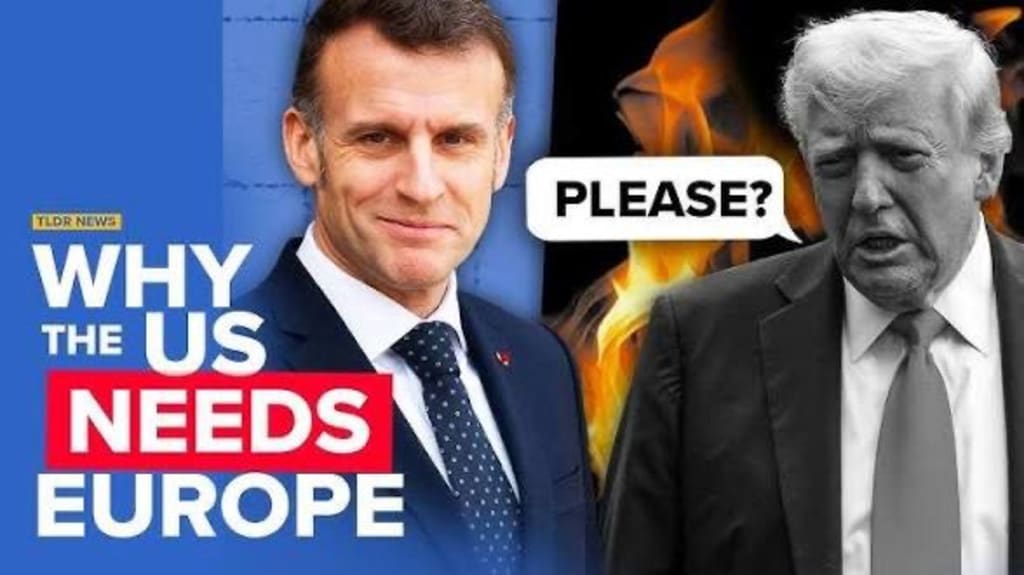
In an age where information travels faster than ever, rumors can spread across the globe in minutes—shaping opinions, creating tensions, and sometimes even distorting reality. One such claim that recently caught public attention is the idea that major European countries, including France, Spain, and Italy, have blocked U.S. aircraft from using their airspace. This has sparked debates, confusion, and speculation about a possible rift between Europe and the United States. But how much of this is fact, and how much is fiction?
The Power of Rumors in the Digital Age
Social media platforms and online forums have become powerful tools for sharing information. However, they also serve as breeding grounds for misinformation. A single unverified claim can quickly turn into a trending topic, especially when it involves global powers like Europe and America.
The rumor about airspace restrictions is a perfect example. It taps into existing geopolitical tensions and public curiosity, making it highly shareable. But viral popularity does not equal truth. In most cases, such claims require verification from reliable sources such as government statements, official military communications, or major international news organizations.
Understanding Airspace Rights and Military Cooperation
To fully grasp the situation, it is important to understand how airspace agreements work. Countries control their own airspace and have the right to grant or deny access. However, allies—especially those within organizations like NATO—typically have agreements that allow military cooperation, including the use of airspace.
The United States maintains strong military ties with European nations through NATO. These partnerships are built on decades of collaboration, joint exercises, and shared strategic interests. Blocking U.S. military aircraft would not be a small administrative decision; it would represent a major diplomatic shift with serious consequences.
The Reality Behind the Claims
As of now, there is no solid, confirmed evidence that France, Spain, or Italy have collectively blocked U.S. aircraft movements. No official announcements from these governments or NATO support such a claim. In international politics, actions of this magnitude are rarely hidden—they are usually accompanied by clear statements, negotiations, or even public disagreements.
What sometimes happens, however, is temporary or conditional restrictions. For example, countries may limit airspace access due to:
• Security concerns
• Ongoing military operations
• Diplomatic sensitivities
• Internal policy decisions
These are often specific, short-term, and not directed as a broad political stance against an ally.
Why These Rumors Gain Traction
There are several reasons why such rumors spread quickly:
1. Geopolitical Tensions:
The world is currently experiencing various conflicts and shifting alliances. This creates an environment where people are more likely to believe in sudden diplomatic changes.
2. Lack of Context:
A minor or technical decision can be misinterpreted and presented as a major political move.
3. Emotional Reactions:
Topics involving powerful countries often trigger strong emotional responses, making people more likely to share information without verification.
4. Agenda-Driven Narratives:
In some cases, misinformation is spread intentionally to influence public opinion or create distrust between nations.

The Importance of Verification
Before accepting or sharing such claims, it is essential to verify them through credible sources. Reliable journalism, official government releases, and statements from international organizations provide the most accurate information.
Critical thinking is key. Asking simple questions can help:
• Is this reported by trusted news agencies?
• Are there official statements confirming it?
• Does the claim align with known diplomatic relations?
In the case of the airspace restriction rumor, the absence of strong evidence suggests that it is either exaggerated or entirely false.
The Bigger Picture: Europe–U.S. Relations
The relationship between Europe and the United States is complex but fundamentally strong. Despite occasional disagreements on policies, trade, or military strategies, both sides share common values and strategic goals.
Countries like France, Spain, and Italy continue to cooperate closely with the U.S. on defense, intelligence, and global security issues. Joint military exercises, shared bases, and coordinated operations highlight the depth of this alliance.
A sudden and coordinated move to block U.S. aircraft would signal a major breakdown in relations—something that would not happen quietly or without global attention.
Conclusion: Separating Fact from Fiction
The claim that European countries have blocked U.S. aircraft movements may sound dramatic, but it lacks credible confirmation. In reality, such a move would represent a significant geopolitical shift, one that would be impossible to hide from the global stage.
This situation serves as a reminder of the importance of verifying information in a fast-paced digital world. Not everything that trends online is true, and not every headline reflects reality.
As global citizens, staying informed means going beyond rumors and seeking truth from reliable sources. In doing so, we not only protect ourselves from misinformation but also contribute to a more informed and responsible global conversation.
About the Creator
Sk
"I am a passionate writer, crafting books and articles on Vocal Media, exploring human experiences, stories, and creative reflections."
Michael Jackson: What his associations revealed about his faith in God.
Michael Jackson died on June 25, 2009. Decades later, some fans are still curious about his faith journey based on social media posts. Michael was raised a Jehovah's Witness and expressed a personal belief in God.
By Cheryl E Preston7 days ago in Geeks



Comments
There are no comments for this story
Be the first to respond and start the conversation.