
A Woman of Substance: Series One — Review
Channel 4’s second adaptation of the classic Barbara Taylor Bradford’s family saga

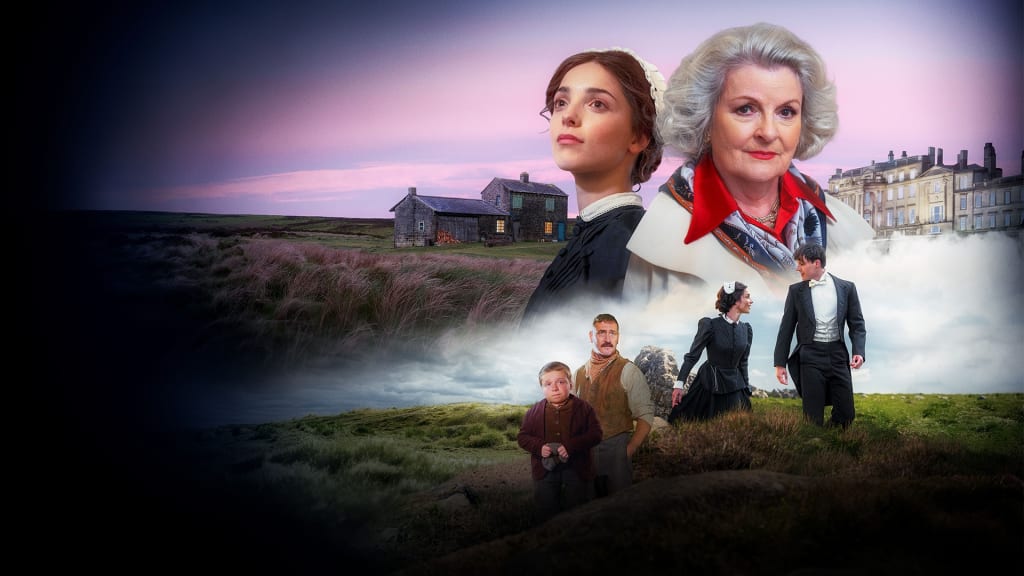
From servant's quarters to business empire, Emma Harte's indomitable spirit propels her rise from poverty to riches, yearning for one unattainable love.
Going into A Woman of Substance: Season One, I already knew the story. Thanks to my mum, I had seen the original 1980s mini-series, so I wasn’t watching for plot twists or surprises, but rather to see how this new adaptation would reinterpret a story I was already familiar with.
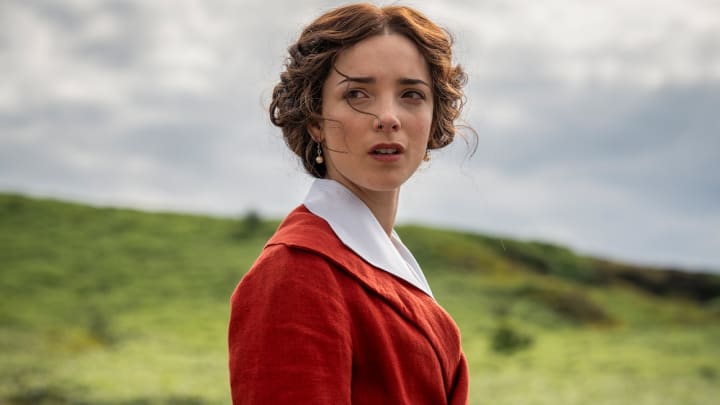
This new Channel 4 adaptation takes a very different structural approach. Rather than condensing Barbara Taylor Bradford’s sweeping story into just a few instalments, it unfolds across eight episodes, giving the narrative more room to develop. Having not read the original novel — though knowing it spans hundreds of pages and forms part of a wider seven-book series — it’s clear there is a wealth of material to draw from.
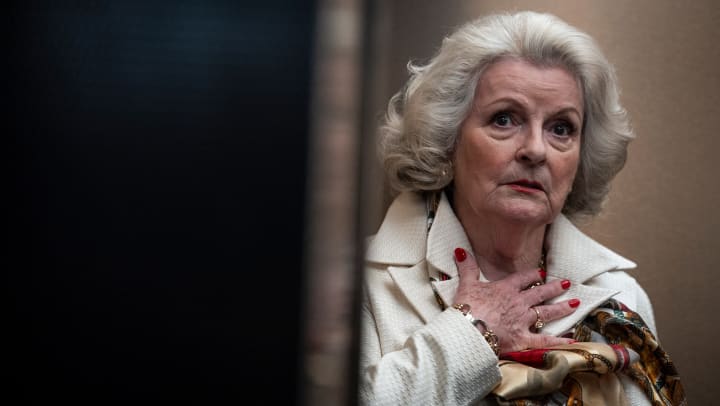
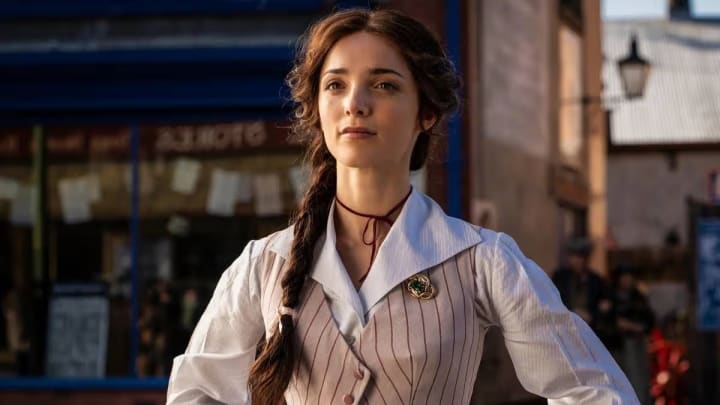
In many ways, the core of the story remains unchanged. Emma Harte’s rags-to-riches journey, driven by resilience and an underlying sense of revenge, is still as compelling as ever. Jessica Reynolds and Brenda Blethyn take on the role of Emma at different stages of her life, and both give remarkably strong performances. Reynolds captures Emma’s vulnerability, determination and growing hardness with real conviction, while Blethyn brings authority and emotional weight to the older Emma. Together, they create a believable sense of continuity across the character’s life.
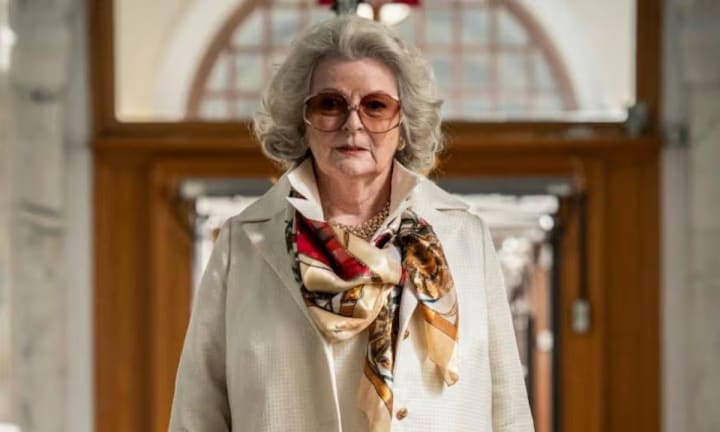
One of the most striking aspects of this adaptation is the time devoted not just to the Hartes, but to the Fairley family — the wealthy aristocrats whose neglect and cruelty drive Emma’s need for revenge. Emmett J. Scanlan, Lydia Leonard, Leanne Best, Ewan Horrocks and Harry Cadby are all given space to develop beyond simple antagonists. By humanising them, the series makes their behaviour feel more disturbing; their actions are not just cruel, but uncomfortably believable.
On the Harte side, Will Mellor is a standout as Jack Harte. Known primarily for comedic roles, this performance reveals a different side to him, bringing warmth and sincerity to the character. Lenny Rush also brings genuine charm to his role as Frank, and it’s encouraging to see Channel 4 continue its commitment to disability representation. Frank’s character is written with care — his disability is part of who he is, but it does not define him.
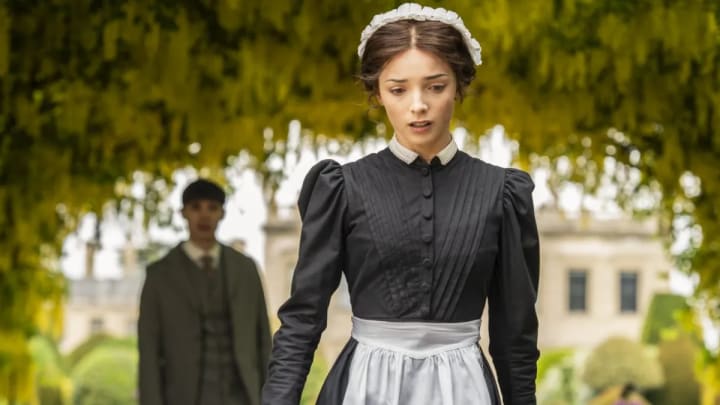
Meanwhile, Niall Wright takes on the role of Mac, originally played by Liam Neeson. Wright brings a fresh dimension to the character, with a natural chemistry alongside Jessica Reynolds. Their relationship — intimate yet ultimately platonic — becomes one of the most compelling aspects of the series.
One of the most noticeable differences, however, is in the show’s focus. Unlike the original, which centred almost entirely on Emma, this version leans more into being an ensemble piece. Written by Katherine Jakeways and Roanne Bardsley, the series expands its attention to the wider cast of characters. While this adds texture, it also, at times, dilutes the emotional clarity of Emma’s journey, making her arc feel slightly less defined.
The writing itself is strong, particularly in its portrayal of Emma’s loss of innocence as she moves from a poor maid to a powerful businesswoman. However, it is initially surprising how much of her life feels skimmed over — particularly in areas like her early relationships and key turning points in her rise. Moments that might have carried more emotional weight are instead passed through quite quickly. It’s only later that it becomes clear this is a deliberate choice: rather than presenting a complete arc, the series is laying the groundwork for future seasons.
This approach aligns with the scale of the source material. With seven books in the series and the first novel alone stretching to around 900 pages, there is still a great deal of story left to explore. The season ultimately closes on a dark and tantalising cliffhanger, reinforcing the sense that this is only the beginning.

Compared to the original, this version feels more modern and polished, particularly in its handling of relationships and character dynamics. However, it lacks some of the sweeping, larger-than-life quality that made the earlier adaptation so memorable. Where the original felt grand and definitive, this feels less like a complete adaptation and more like the opening move in a much longer story.
Overall, A Woman of Substance: Season One is a well-acted and thoughtfully written reimagining that takes a broader, more serialised approach. It doesn’t quite capture the same sense of scale as its predecessor, but it succeeds in setting up a compelling narrative that leaves you wanting to see where it goes next.
With no second season announced or confirmed yet, I’ll likely turn to the original novel in the meantime — particularly the audiobook narrated by Bea Holland — to continue exploring Emma’s story beyond where the series leaves off.
My rating for A Woman of Substance: Season One is ★★★★.
A Woman of Substance is currently airing two episodes a week on Channel 4, and all episodes are available to stream exclusively on 4 On Demand.
About the Creator
Ted Ryan
Screenwriter, director, reviewer & author.
Ted Ryan: Storyteller Chronicles | T.J. Ryan: NA romance
Socials: @authortedryan | @tjryanwrites | @tjryanreviews
The Author Diaries #1: The Storyteller’s Curse — Exclusive Prologue Reveal
Author’s Note: Dear Readers, Thank you for being here — for reading, subscribing, and stepping back into the world of The Storyteller Chronicles. When I finished Book One, I truly thought the story was done. Silas was defeated. The grimoire was safe. Lauren had saved the day — in two worlds — and her family were reunited.
By Ted RyanExclusive • 9 months ago
Simpsons Review: "So It's Come to This: A Simpsons Clip Show"
Happy April Fools' Day, all! It's been a while since I've written a review of a Simpsons episode, and with today being the aforementioned holiday, I just have to talk about this episode. It's a landmark episode, in more ways than one, so let's get to it.
By Clyde E. Dawkinsa day ago in Geeks
Scones
Alright, let's not fuck about - here is what you need: Ingredients: 350g self raising flour 90g butter pinch of salt tsp of baking powder 3 tbsp caster sugar (or just normal white sugar would probably be fine) 175ml milk a squeeze of lemon a drop of vanilla an egg fresh strawberries, if they're in season Extra flour Even more flour Dried fruit (I consider this completely optional and usually leave it out)
By L.C. Schäfer5 days ago in Feast



Comments
There are no comments for this story
Be the first to respond and start the conversation.