
Things parents should never say to their kids..
Harmful Parenting Phrases.......
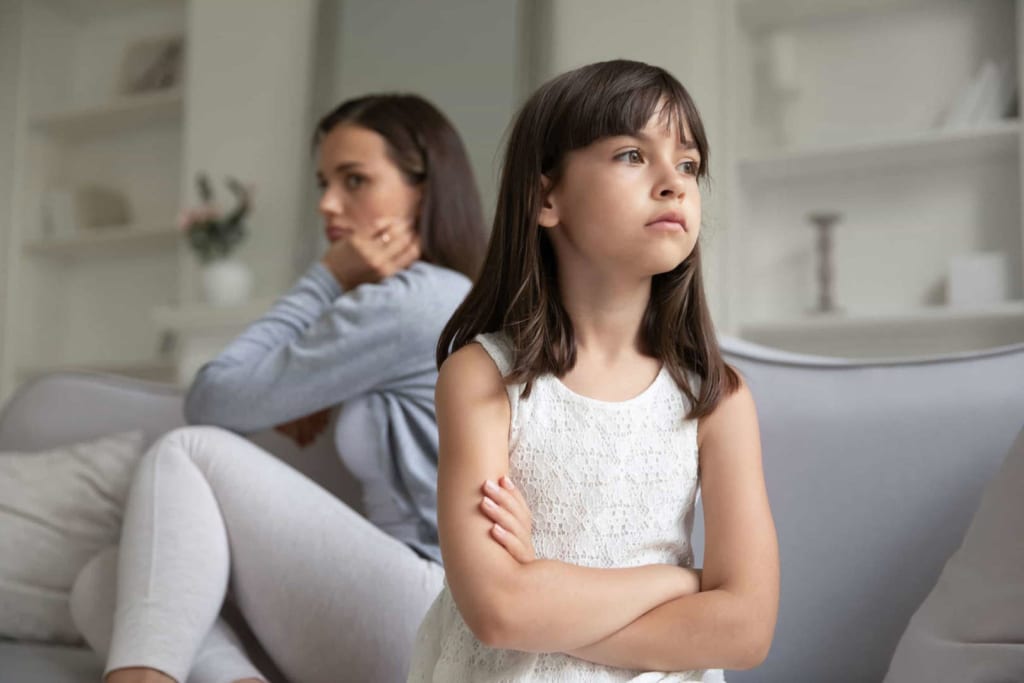

Parenting is one of the most rewarding experiences in life—but it is also one of the most demanding. Every parent, no matter how patient or loving, has moments of frustration, exhaustion, and doubt. In those moments, it is easy to say things we don’t truly mean. However, words spoken to children carry deep emotional weight. Over time, even casual remarks can shape how children see themselves, others, and the world around them.
While many parents are careful about avoiding harsh criticism, fewer realize that even certain common phrases—sometimes said out of habit or even good intention—can have lasting negative effects. According to family therapist Karyl McBride, children tend to internalize what trusted adults say about them. When a parent suggests that something is wrong with a child, the child often believes it, even if it was said in frustration.
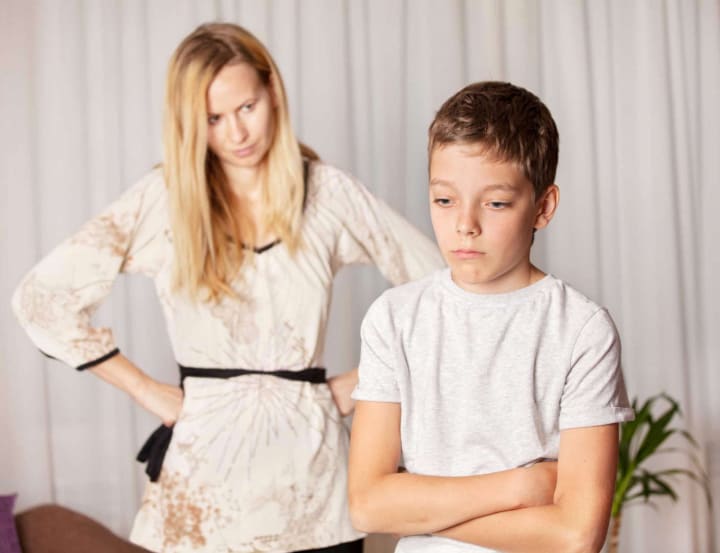
Take, for example, the phrase “What’s wrong with you?” While it may seem like an expression of exasperation, it can deeply impact a child’s sense of identity. Instead of understanding that they made a mistake, the child may begin to believe that they themselves are the problem. This can lead to confusion, low self-esteem, and difficulty expressing emotions.
Similarly, telling a child “You’re being too sensitive” dismisses their feelings. Children rely on their caregivers to help them understand and process emotions. When their feelings are invalidated, they may begin to suppress them, believing their emotional responses are wrong or inappropriate. Over time, this can create emotional distance and insecurity.
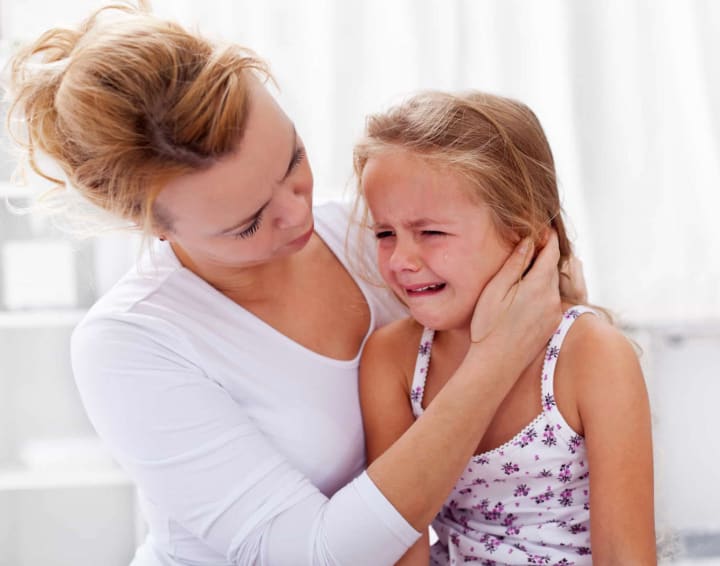
Another common phrase, “Leave me alone,” may seem harmless when a parent needs space. However, when used frequently, it can send a message that the child is a burden. Children may stop seeking comfort or communication altogether, believing that their presence is unwanted. This can weaken the parent-child bond and discourage open communication.
Comments about appearance, such as “Don’t eat that or you’ll get fat,” can be particularly harmful. Children are still developing their sense of self, including body image. Introducing fear or shame around food at a young age can lead to unhealthy relationships with eating and, in some cases, long-term issues like eating disorders.

Phrases like “Stop being such a baby” also overlook the emotional needs of children. Kids are not expected to respond to situations with adult-level maturity. When they regress or act out, it is often a sign of stress, fear, or confusion. Instead of shaming them, parents should seek to understand the underlying cause.

Emotional statements directed at children, such as “You make me so mad” or “You’re making me sad,” can place an unfair burden on them. As psychologist Timothy Gunn explains, one of a parent’s most important responsibilities is to model emotional control. When children feel responsible for their parents’ emotions, they may develop guilt or anxiety.
Likewise, saying “I’m disappointed in you” may seem like a way to encourage better behavior, but it can lead children to associate their worth with their ability to please others. They may begin to fear failure rather than learn from it.

Even praise, when poorly delivered, can have unintended consequences. For example, “You did great on your test, but why can’t you do that all the time?” diminishes the achievement by immediately attaching criticism. Instead of feeling proud, the child may feel that their efforts are never enough.
Another phrase that can create long-term issues is “I can never say no to you.” While it may sound affectionate, children need clear boundaries to feel secure and to learn discipline. Without limits, they may struggle with self-control and expectations later in life.
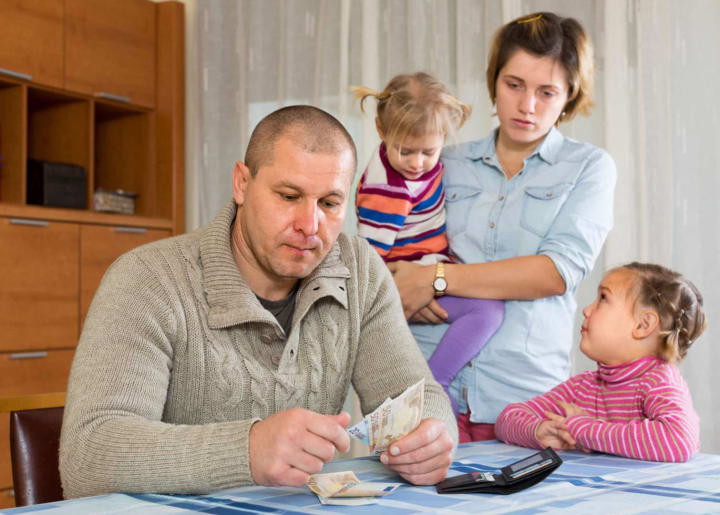
Discussing adult worries, such as finances, is another area where parents should be cautious. Saying “I don’t know how we’re going to pay the bills this month” can create unnecessary anxiety for children, who are not equipped to handle such concerns.
Threatening statements like “I’m just going to leave you here then” can be especially damaging. Even if said jokingly or out of frustration, they can trigger feelings of abandonment and insecurity.
Encouragement, too, must be realistic. While telling children “You can be anything you want to be” is meant to inspire, it can set unrealistic expectations if not balanced with guidance and support. Children should be encouraged to explore their strengths without feeling pressured to meet extreme ideals.
Comparisons, such as “You’re way better than [other kid],” can foster unhealthy attitudes. According to Brad Bushman, children who are told they are superior to others may develop entitlement or struggle with empathy.
Statements like “You’re just like your father/mother” can also be harmful, especially when used negatively. They may force children to internalize traits they don’t fully understand or to feel caught between parents.
Finally, absolute statements such as “You’ll never be any different” can limit a child’s belief in their ability to grow. Author Daniel Patterson warns that such language places children in a fixed mindset, making them feel incapable of change.
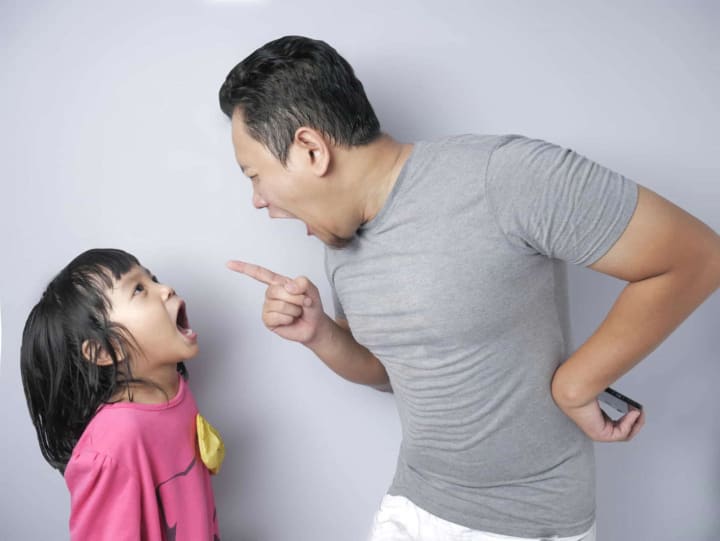
In the end, parenting is not about perfection—it is about awareness and growth. Words matter, and being mindful of how we speak to children can make a profound difference in their emotional development. By choosing words that guide, support, and uplift, parents can help build confident, resilient individuals who feel safe, valued, and understood.
About the Creator
Keep reading
More stories from Shirley Oyiadom and writers in Families and other communities.
Woman charged with attempted murder after Rihanna home shooting
A quiet Sunday in the upscale neighborhood of Beverly Hills was suddenly shaken by a frightening and unexpected incident involving global music icon Rihanna. Authorities say a woman from Florida has been arrested and charged with attempted murder after allegedly firing several shots toward the singer’s home while members of her family were inside.
By Shirley Oyiadom2 days ago in Families
The Baby No One Saw
The night was quiet, the kind of quiet that presses gently against the walls and settles into every corner of a house. Emma sat on the bathroom floor, her back resting against the cold porcelain of the bathtub. The small yellow light above the mirror hummed softly. In her hands was her phone, its screen glowing with lines of poetry about grief.
By LUNA EDITH6 days ago in Families




Comments
There are no comments for this story
Be the first to respond and start the conversation.