
Helen Morgan Story: The Rise, Fall, and Legacy of Jazz’s First Torch Singer
Discover The Helen Morgan Story—the rise, struggles, and lasting legacy of jazz’s original torch singer.
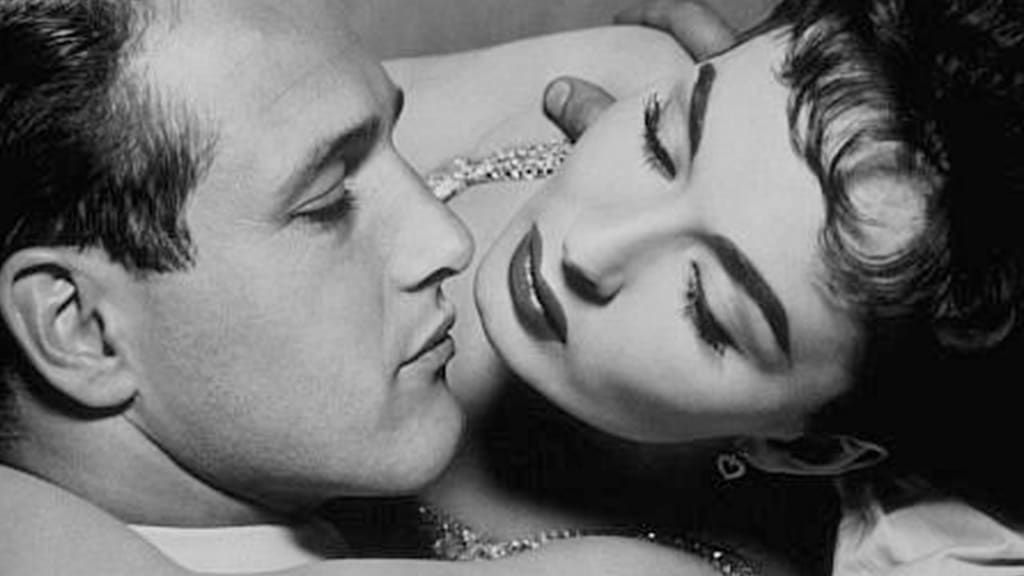
Before Billie Holiday, Ella Fitzgerald, or Frank Sinatra dominated the microphone, there was Helen Morgan. Known as the original “torch singer,” Morgan’s haunting voice and raw emotional delivery captivated 1920s and ’30s audiences.
The Helen Morgan Story isn’t just a biography—it’s a window into the golden age of American jazz, Broadway, and early Hollywood. In this article, we’ll explore her meteoric rise, personal struggles, the acclaimed 1957 biographical film, and why her legacy still resonates with music lovers today.
Who Was Helen Morgan? Early Life and Breakthrough
Born Helen Riggins on August 2, 1900, in Danville, Illinois, Morgan’s early life was marked by poverty and instability. She adopted her mother’s maiden name and began singing in speakeasies, cabarets, and touring revues during the Roaring Twenties.
Unlike the powerful, operatic vocalists of the era, Morgan delivered songs with a conversational, intimate style that felt deeply personal. Her breakthrough came when she opened her own nightclub, Chez Morgan, in New York, quickly becoming a favorite among artists, writers, and high-society patrons.
The Voice That Defined an Era: Stage, Film, and “Show Boat”
Morgan’s career-defining moment arrived when she was cast as Julie LaVerne in Jerome Kern and Oscar Hammerstein II’s groundbreaking musical Show Boat (1927). Her performances of “Bill” and “Can’t Help Lovin’ Dat Man” redefined theatrical singing, blending blues inflections with dramatic storytelling.
She later reprised the role in the 1936 film adaptation, though Hollywood’s glossy production couldn’t fully replicate the vulnerability that made her stage appearances legendary.
Despite critical acclaim, Morgan struggled with typecasting, shifting musical trends, and a well-documented battle with alcoholism. The entertainment industry of the era offered little support for performers facing mental health or addiction challenges, and her career gradually declined by the late 1930s. She passed away on October 9, 1941, at just 41 years old.
The Helen Morgan Story (1957 Film): Hollywood’s Tribute
The Helen Morgan Story (1957) brought her life to the silver screen, starring Ann Blyth as Morgan and Paul Newman as her complicated love interest. Directed by Michael Curtiz, the film dramatized her rise from Midwest obscurity to Broadway stardom, her tumultuous relationships, and her tragic decline.
While not a major box office hit, the movie earned praise for its emotional depth, faithful musical arrangements, and Blyth’s vocal performances.
The soundtrack featured carefully reconstructed versions of Morgan’s signature torch songs, introducing her music to postwar audiences and cementing her place in American pop culture. Today, the film remains a vital historical artifact for fans of classic Hollywood musicals and jazz history.
Why Helen Morgan Still Matters Today
Helen Morgan pioneered the microphone-driven, emotionally raw vocal style that would become the foundation for jazz, blues, cabaret, and modern pop singing. Artists like Billie Holiday, Judy Garland, Eartha Kitt, and contemporary vocalists have cited her influence.
Her story also highlights the entertainment industry’s historical treatment of pioneering women, mental health, and addiction—themes that remain highly relevant.
Whether you’re a music historian, a Broadway enthusiast, or a casual listener, exploring The Helen Morgan Story offers a compelling look at how one voice shaped an entire era of American performance art.
FAQs About The Helen Morgan Story
Who was Helen Morgan?
Helen Morgan (1900–1941) was an American jazz singer and Broadway actress known as the original “torch singer.” She gained fame for her role as Julie LaVerne in Show Boat and her emotionally intimate vocal style.
Final Thoughts
The Helen Morgan Story is more than a tale of fame and tragedy—it’s the blueprint for modern vocal artistry. From dimly lit speakeasies to Broadway spotlights, Morgan’s voice captured the soul of an era and paved the way for generations of performers.
Dive into her recordings, watch the 1957 film, and experience why Helen Morgan’s legacy continues to echo through American music history.
About the Creator
Keep reading
More stories from Kashif Hayat and writers in Families and other communities.
Is Dennis Rodman Dead? Exploring the Truth Behind the Rumors
Dennis Rodman is one of the most iconic and controversial figures in basketball history. Known for his rebounding prowess, flamboyant personality, and unique lifestyle, Rodman has always been a media magnet. However, in recent years, rumors regarding his death have circulated online, leading many to question, "Did Dennis Rodman die?" In this article, we will delve into the truth behind the rumors of Dennis Rodman’s death and clarify any misconceptions. We will also explore the fascinating life and career of the former NBA star.
By Kashif Hayatabout a year ago in Families
Celebrating Mother's Day When Your Mom Has Passed Away
Losing Your Mom If you have lost your mom, it's difficult enough, but it's even harder when her special day comes around. I know how it feels. I lost my mother. The first year was the worst. I remember how lost I felt. I just couldn't understand why she had to die when so many other people I knew still had their mothers.
By Janis Masyk-Jackson13 days ago in Families
What Does it Take to Successfully Reconcile with Your Estranged Adult Child?
A young woman who is estranged from her mom asked the Reddit community if it was possible to reconnect. Most said absolutely, yes. But the road to reconciliation is a lot of work. In fact one user couldn’t believe she was standing with her mother in the kitchen making coffee. Two years ago, that wasn’t even a possibility.
By Marie Dubuque4 days ago in Families


Comments
There are no comments for this story
Be the first to respond and start the conversation.