
How Architecture Can Withstand Hurricanes, Flooding, and Rising Sea Levels
Designing Resilient Buildings for a Changing Climate

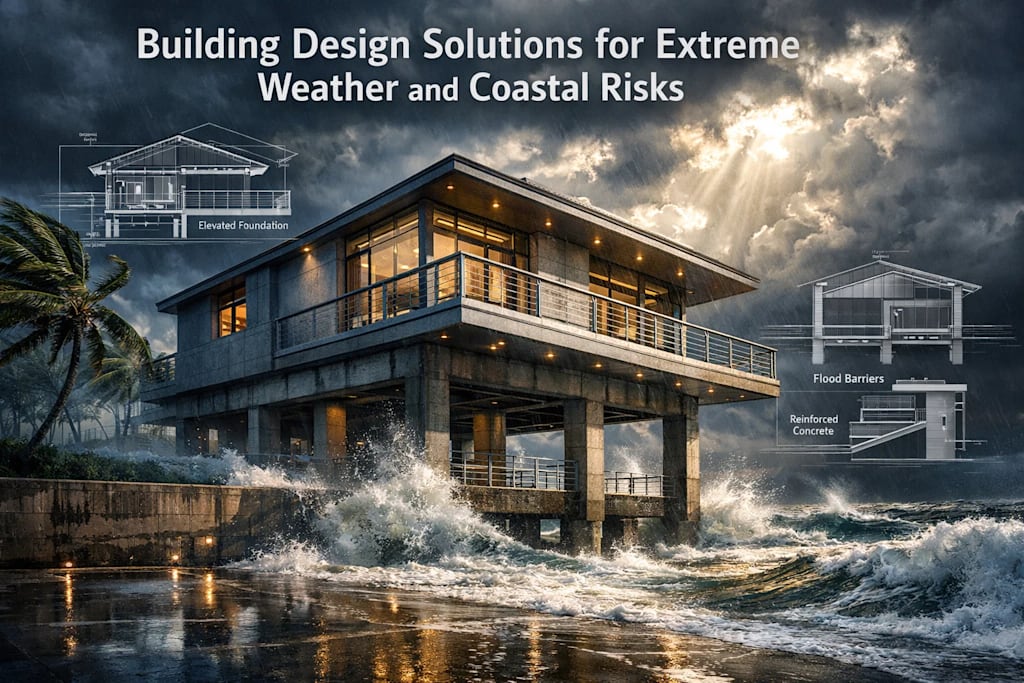
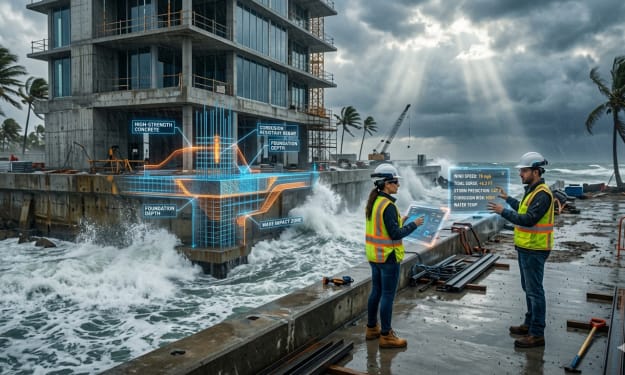
Climate change is no longer a distant concern—it’s actively reshaping how we design and build our environments. Coastal regions and flood-prone cities are increasingly exposed to extreme weather events like hurricanes, storm surges, and sea-level rise.
As a result, architects and engineers are adopting resilient design strategies that protect buildings, reduce damage, and ensure long-term sustainability.
In this guide, we’ll explore how modern architecture is evolving to withstand these climate challenges.
🌍 Understanding the Threats
Before designing resilient structures, it’s essential to understand the risks:
- Hurricanes: High winds, flying debris, and intense rainfall
- Flooding: River overflow, storm surges, and urban drainage failure
- Rising Sea Levels: Permanent or periodic inundation of coastal areas
These threats demand a shift from traditional design to climate-responsive architecture.
🏗️ Elevated Design: Building Above Risk Levels
One of the most effective strategies is elevating structures above expected flood levels.
Key Techniques:
- Raised foundations (pile or pier systems)
- Elevated living spaces above ground level
- Breakaway walls that allow water to pass without damaging the main structure
This approach is widely used in coastal regions like Florida and parts of Louisiana, where flood risks are high.
🌪️ Hurricane-Resistant Structural Systems
To withstand strong winds and pressure changes, buildings must be structurally reinforced.
Core Features:
- Impact-resistant windows and doors
- Reinforced concrete or steel frames
- Aerodynamic building shapes to reduce wind loads
- Roof tie-down systems to prevent uplift
Design principles aligned with FEMA guidelines help reduce hurricane damage significantly.
🌊 Flood-Resistant Materials & Construction
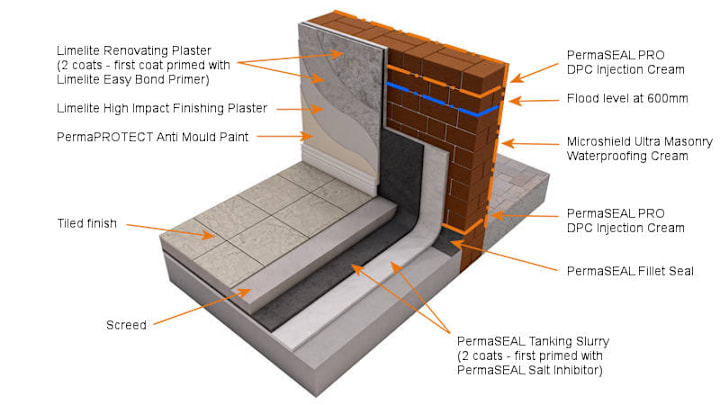
Material selection plays a critical role in minimizing water damage.
Recommended Materials:
- Concrete, brick, and stone (water-resistant)
- Closed-cell insulation (prevents water absorption)
- Marine-grade plywood and corrosion-resistant metals
Avoid materials like untreated wood or gypsum board in flood-prone areas.
🌱 Nature-Based Solutions (Green Infrastructure)
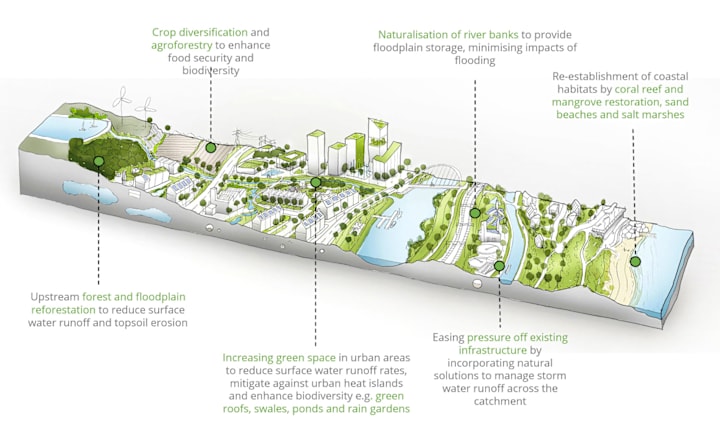
Modern architecture is increasingly integrating natural systems to manage water and reduce impact.
Examples:
- Mangrove restoration and coastal vegetation buffers
- Green roofs and permeable pavements
- Rain gardens and bioswales
Cities like Rotterdam have become global leaders in water-sensitive urban design.
🧠 Smart Technologies & Predictive Design
Technology is transforming how buildings respond to environmental risks.
Key Innovations:
- Real-time flood monitoring sensors
- Automated drainage and pumping systems
- Digital simulations using Building Information Modeling (BIM)
- Integration of Digital Twin models for predictive maintenance
These tools allow architects to anticipate risks and optimize building performance.
🏢 Floating & Amphibious Architecture
In areas with extreme flooding risks, architects are exploring adaptive structures.
Types:
- Floating buildings: Structures that remain on water permanently
- Amphibious houses: Built on land but designed to float during floods
Countries like Netherlands are pioneering these innovative housing solutions.
⚡ Infrastructure Resilience & Urban Planning
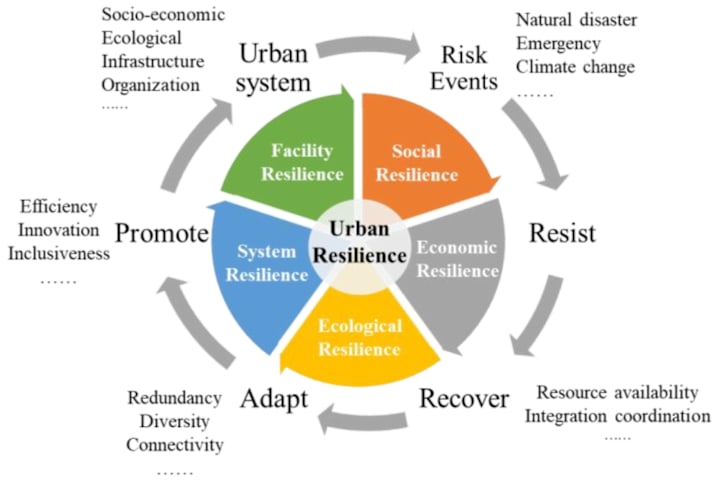
Resilient architecture goes beyond individual buildings—it requires city-level planning.
Key Considerations:
- Stormwater management systems
- Elevated roadways and utilities
- Zoning laws restricting construction in high-risk areas
Urban resilience strategies are increasingly guided by global frameworks like the United Nations climate initiatives.
💡 Passive Design for Climate Adaptation
Passive design reduces dependence on mechanical systems while improving resilience.
Strategies:
- Natural ventilation to reduce humidity
- Shading systems to minimize heat gain
- Strategic orientation to reduce wind pressure
These approaches enhance both sustainability and durability.
🔄 Retrofitting Existing Buildings
Not all structures can be rebuilt—but they can be upgraded.
Retrofit Solutions:
- Elevating mechanical systems above flood levels
- Installing flood barriers and sealants
- Strengthening roofs and wall connections
Retrofitting is especially important for older infrastructure in vulnerable regions.
✅ Final Thoughts
Architecture today must do more than provide shelter—it must anticipate, adapt, and endure. By combining structural innovation, smart technologies, and nature-based solutions, architects can design buildings that stand strong against hurricanes, flooding, and rising sea levels.
For AEC professionals, this shift is also an opportunity—to lead with resilient design, leverage digital tools, and create safer, future-ready environments.
Further Reading
- Why BIM is Crucial for Durable Coastal Construction Projects in Florida?
- Point Cloud to BIM for Historic & Brownfield Buildings in Massachusetts
- Using 3D Laser Scanning for Accurate Facility Upgrade and Renovation Planning
- Using Scan-to-BIM for Florida’s 30-Year Structural Recertification
- How BIM Improves MEP Coordination for Large-Scale Projects?
About the Creator
Matt Sharon
A professional content writer. Having years of experience in Technology, health, finance, and construction and real estate field. Writing is my passion and I love to play with words Confidently.
Keep reading
More stories from Matt Sharon and writers in Education and other communities.
Why BIM is Crucial for Durable Coastal Construction Projects in Florida?
Coastal construction in Florida presents a unique blend of opportunity and risk. With its booming real estate market, tourism-driven infrastructure, and waterfront developments, Florida continues to attract investors and developers.
By Matt Sharon8 days ago in Education
Financial Education for Families and Owners, Simple Steps Toward Lasting Financial Control
Understanding the Basics of Financial Education Financial education for families and owners is the foundation of smart money management. It helps people understand how money works in daily life. This includes earning, spending, saving, and planning. Without this knowledge, it is easy to make mistakes that lead to stress.
By Lee Generous6 days ago in Education
Smoothie Diet for Weight Loss
Weight Loss Smoothie Recipes: A Beginner's Guide That Actually Works Finding weight loss smoothie recipes that genuinely deliver results can feel a bit overwhelming when you're just starting out. Most diets seem to demand complicated meal prep or punishingly restrictive eating plans, smoothies offer something far more manageable. Done right, they give you portion control, proper nutrition, and real convenience, all in a single glass.
By Abdulrahman Naseeb6 days ago in Education
Watching The End Of The World From The Diner
Introduction I am not sure how to approach this. Guy Peellaert was an amazing artist who created iconic fantasy images of famous people, usually musicians or politicians, as well as creating commissioned album covers such as "It's Only Rock'n'Roll" by The Rolling Stones and David Bowie's "Diamond Dogs" which you can read more about below.
By Mike Singleton 💜 Mikeydred 7 days ago in Art


Comments
There are no comments for this story
Be the first to respond and start the conversation.