
Turning Agricultural Straw into Gold: Pyrolysis for Sustainable Farming
How Straw Pyrolysis Can Cut Open-Field Burning and Protect Our Environment
Every year, millions of tons of agricultural straw are left behind after harvests worldwide. In countries like China, India, and parts of Southeast Asia, the sheer volume of leftover straw is staggering. For instance, China alone generates over 700 million tons of crop residues annually, much of which is traditionally burned in the open fields. While farmers often resort to open-field burning as a quick and cheap way to clear fields, the practice carries severe environmental, health, and economic consequences.
Smoke from burning straw releases particulate matter, carbon monoxide, nitrogen oxides, and greenhouse gases, contributing to both local air pollution and global climate change. Beyond the atmospheric impact, open burning destroys valuable organic matter in the soil, reducing fertility over time. Fortunately, innovative solutions such as agricultural straw pyrolysis offer a sustainable alternative, transforming what is often treated as waste into valuable products, all while protecting the environment.
The Problem with Open-Field Burning
Open-field burning is prevalent in regions where mechanized straw collection is limited or where farmers prioritize short-term cost-saving. Despite its apparent convenience, the consequences are severe:
- Air Pollution: In many rural regions, open burning creates thick smog, increasing respiratory problems and eye irritation among local populations.
- Climate Change: Carbon stored in straw is released rapidly as carbon dioxide, accelerating greenhouse gas accumulation.
- Soil Degradation: Burning destroys organic matter that could enhance soil fertility, water retention, and microbial activity.
- Economic Loss: Valuable straw that could serve as fertilizer, fodder, or bioenergy feedstock is wasted.
In response, governments have introduced regulations banning open burning. For example, India and China have implemented strict seasonal bans, but enforcement is often challenging. Without practical alternatives, farmers sometimes ignore the rules, highlighting the urgent need for effective and affordable straw management solutions.
Environmental and Agricultural Benefits of Straw Pyrolysis
Using straw pyrolysis offers multiple benefits:
- Reduced Air Pollution: Diverting straw from open burning drastically cuts particulate emissions and toxic gases.
- Soil Health Improvement: Biochar improves soil structure, promotes microbial activity, and increases water retention, reducing the need for chemical fertilizers.
- Renewable Energy Production: Bio-oil and syngas provide alternative energy sources, decreasing dependence on fossil fuels.
- Climate Change Mitigation: Carbon in biochar is stable and can remain in the soil for decades, effectively sequestering carbon and lowering greenhouse gas emissions.
- Economic Opportunities: Farmers can sell biochar and bio-oil, creating additional income streams from agricultural residues.
Technical Considerations
While promising, pyrolysis technology requires investment and knowledge. Key considerations include:
- Equipment Cost: Mobile pyrolysis units can cost tens of thousands of dollars, making small-scale adoption challenging without subsidies.
- Straw Collection and Transport: Efficient logistics are essential to move straw from fields to pyrolysis facilities.
- Process Optimization: Different crops and moisture levels affect pyrolysis efficiency. Localized research is needed to adapt technology to specific agricultural conditions.
Innovations like modular, mobile pyrolysis units and farmer cooperatives have made adoption more feasible, enabling smaller farms to participate without prohibitive costs.
Policy and Economic Incentives
Government policies play a vital role in encouraging pyrolysis adoption. Subsidies, tax incentives, and training programs can help farmers overcome initial cost barriers. For example:
- China: Provides subsidies for straw-to-energy projects, especially in regions with high pollution levels.
- India: Supports biochar production through agricultural development programs, reducing reliance on chemical fertilizers.
- EU Countries: Offer grants and technical support for renewable energy projects that utilize agricultural residues.
Private companies are also entering the market, supplying pyrolysis equipment and purchasing biochar and bio-oil from farmers, creating a viable economic ecosystem around straw recycling.
Future Prospects
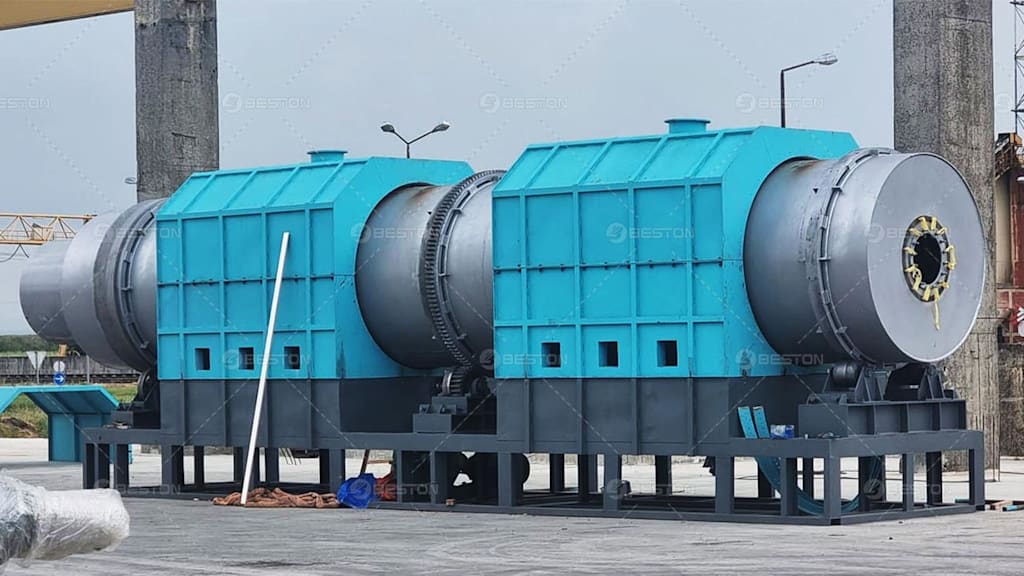
The integration of straw charcoal machine into sustainable agriculture aligns with global goals for carbon neutrality, renewable energy, and circular economies. As technology improves and costs decrease, pyrolysis could become standard practice in regions currently struggling with open-field burning.
Beyond energy and soil improvement, pyrolysis also opens opportunities for innovation in materials science, such as producing bio-based composites, activated carbon, and environmentally friendly fertilizers. This creates a broader industrial value chain that transforms agricultural waste into high-value products.
Conclusion
Agricultural straw pyrolysis represents a sustainable solution to a persistent problem. By reducing the harmful effects of open-field burning, improving soil health, and generating renewable energy, pyrolysis turns “waste” into opportunity. With supportive policies, technological innovation, and farmer engagement, pyrolysis can become a cornerstone of modern, sustainable agriculture, benefiting both the planet and farming communities.
By adopting pyrolysis, we are not just managing agricultural residues—we are building a cleaner, greener, and more resilient future.
About the Creator
Waste Tire Pyrolysis and Hazardous Waste Classification
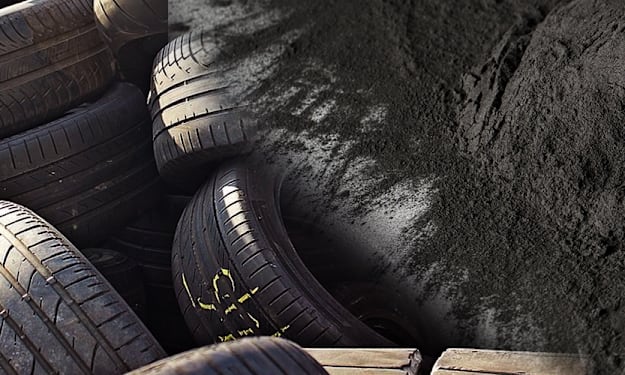
Policy Context of Waste Tire Management End-of-life tires (ELTs) represent a persistent challenge within solid waste governance frameworks. Their complex composition—comprising synthetic rubber, carbon black, steel, and various chemical additives—renders conventional disposal methods such as landfilling increasingly untenable. Consequently, thermochemical conversion technologies, particularly those deployed in a pyrolysis plant, have gained traction as an alternative valorization pathway.
By Wayne Shena day ago in Earth



Comments
There are no comments for this story
Be the first to respond and start the conversation.