
British Backpacker Murdered In Thailand — Who Killed Kirsty Jones?
A solo trip of a lifetime ends a young girl's life...

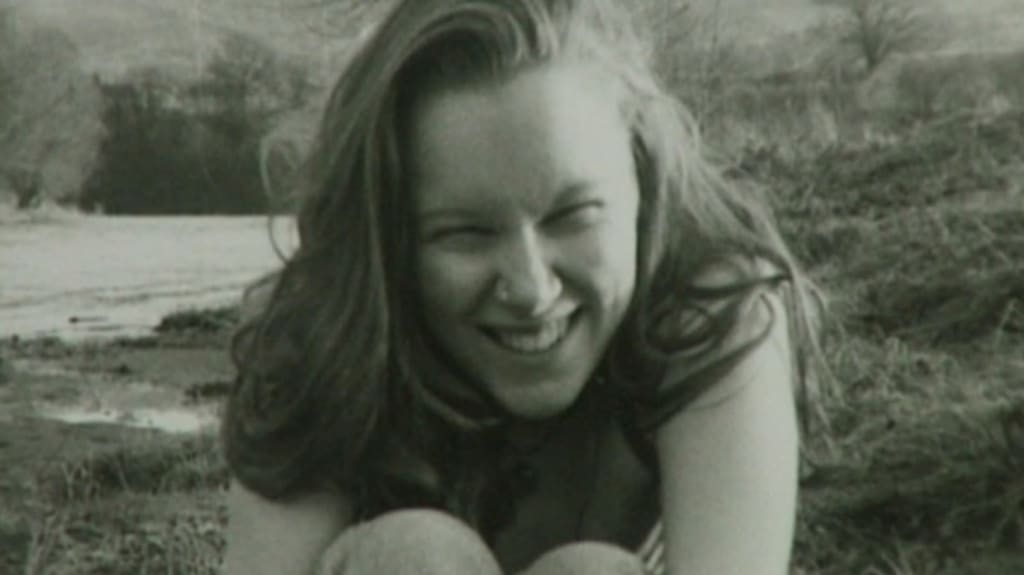
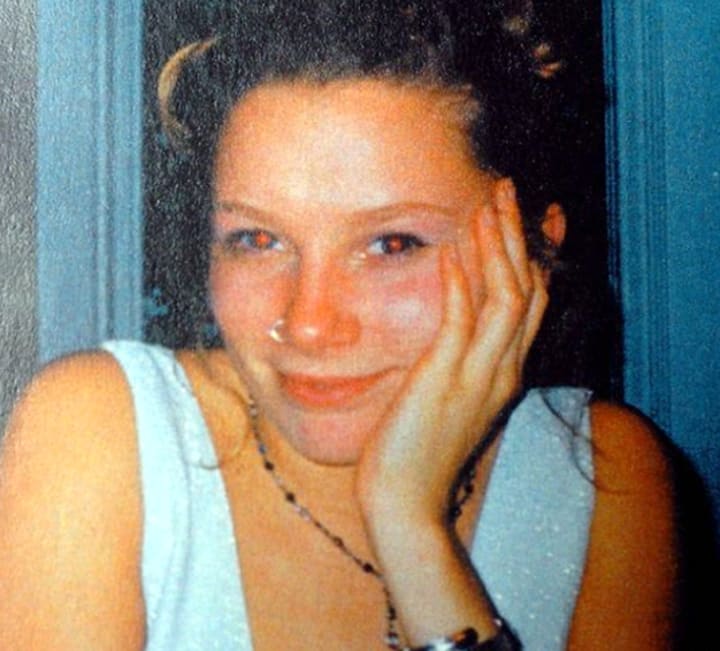
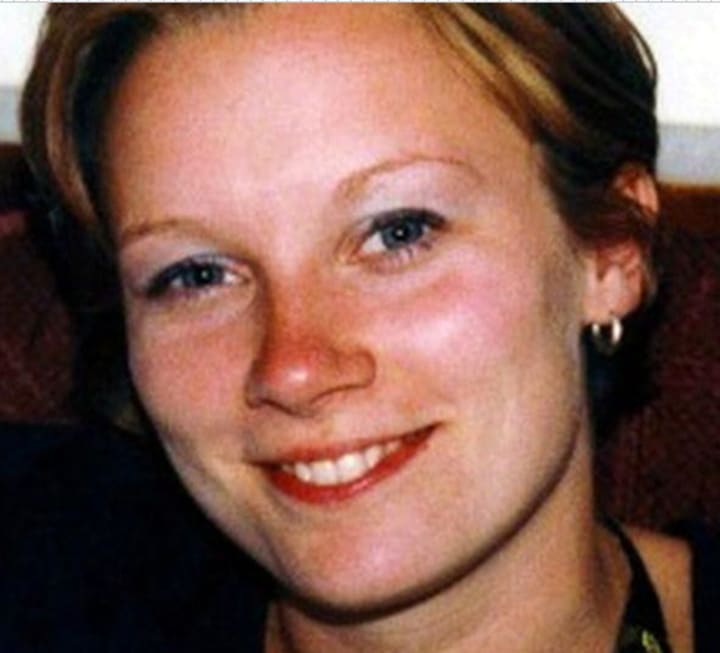
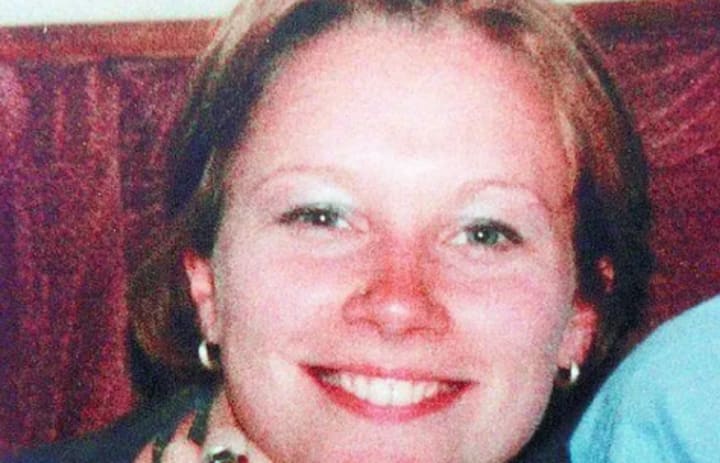
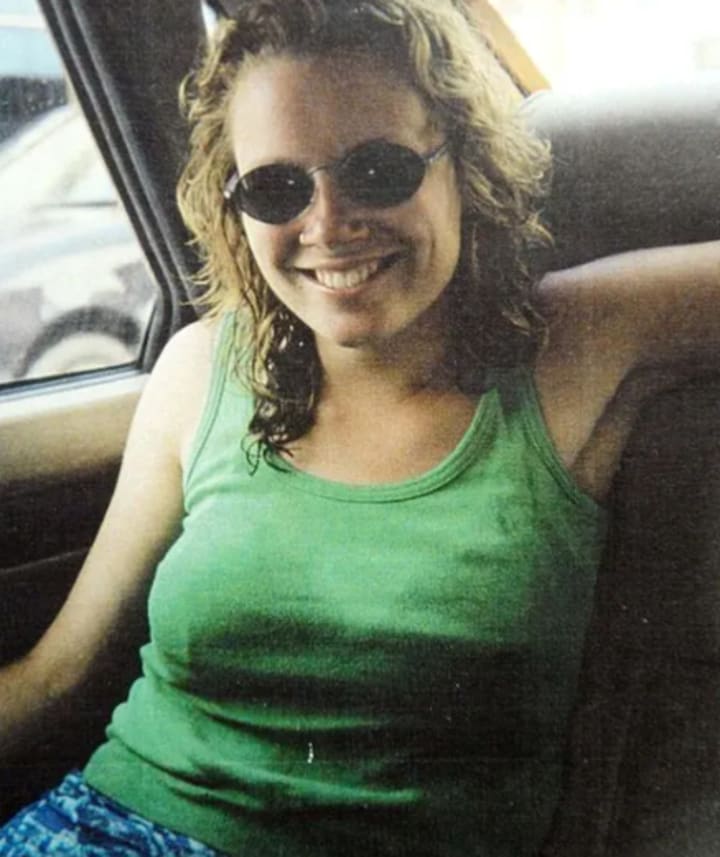
In May 2000, 23 year old Kirsty Sara Jones from Brecon, Wales, had just graduated from the University of Liverpool.
To celebrate, she decided to embark on the adventure of a lifetime—a two-year backpacking journey across Asia, Australia, New Zealand, and South America—before putting her English and Media Studies degree to use.
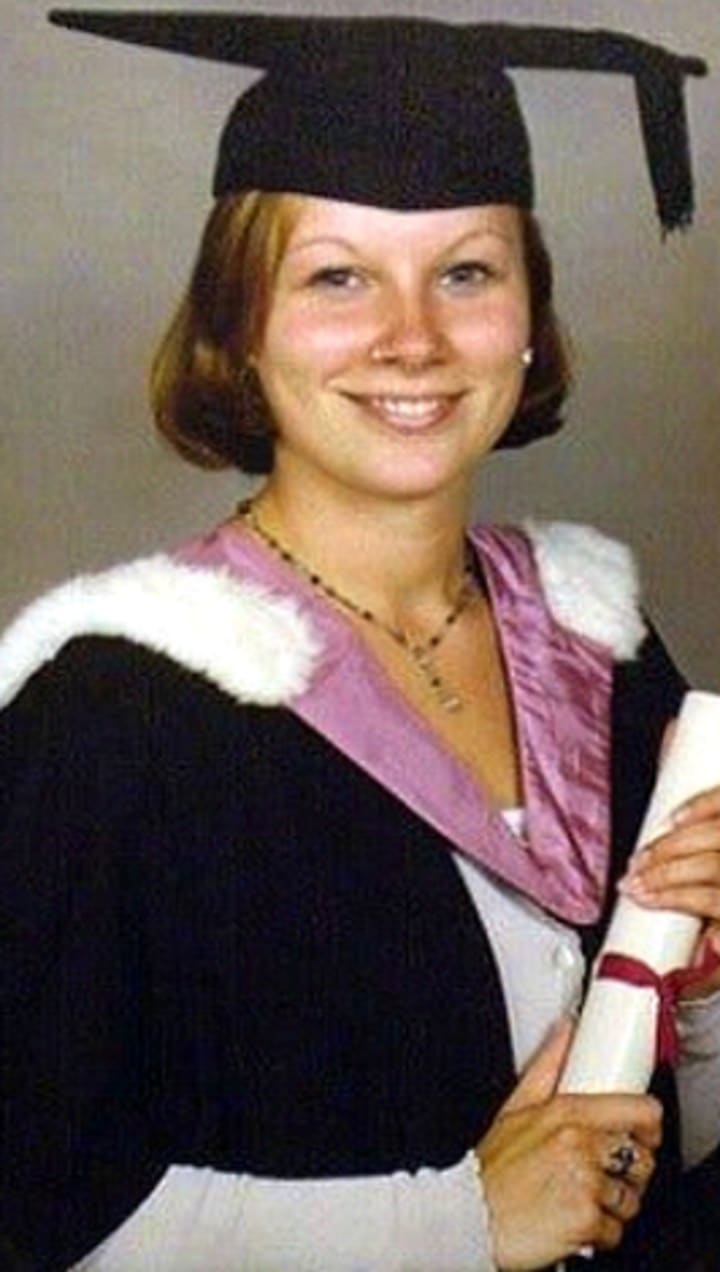
To fund her journey, Kirsty took on various odd jobs around town while she was a student. Once on the road, she sought out the cheapest travel options to make her savings last as long as possible.

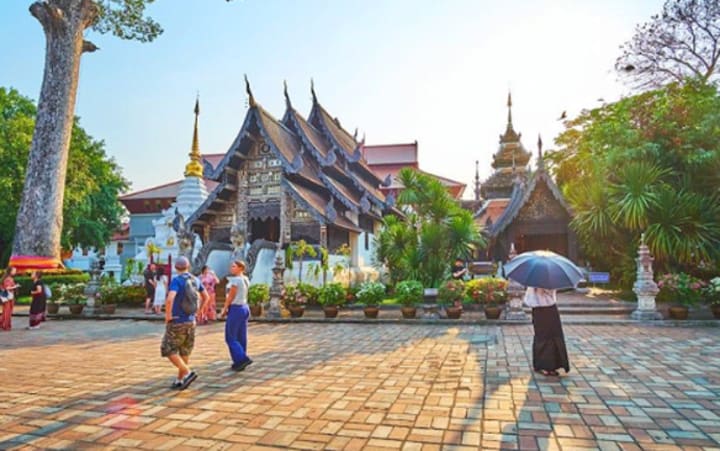
Three months into her travels, Kirsty found herself in Chiang Mai, the largest city in northern Thailand and a popular hub for trekking tourists.
The city offered a more relaxed pace, with much of her time spent exploring Buddhist temples. Kirsty filled her days riding elephants, trekking through dense jungles, and visiting the region’s hill tribes.
Having stayed in hostels throughout her journey, Kirsty checked into the Aree Guest House in Chiang Mai, which offered accommodations for just £1 per night. What she didn’t know was that the guesthouse had a troubling reputation and wasn’t the safest choice for a young woman traveling alone. It had only recently reopened after being closed for six months following the death of a backpacker in one of the rooms from a heroin overdose.
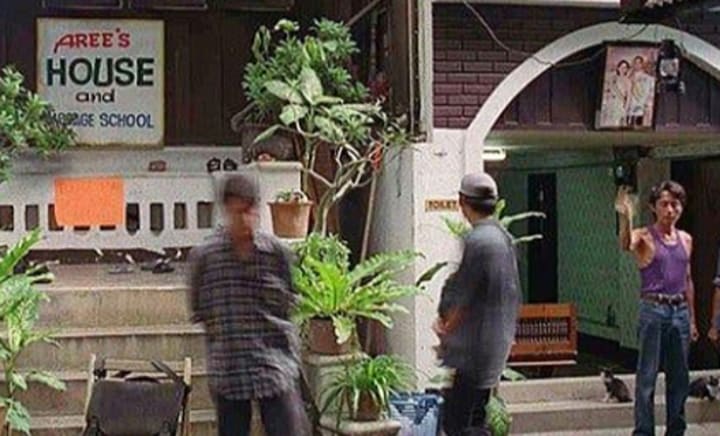
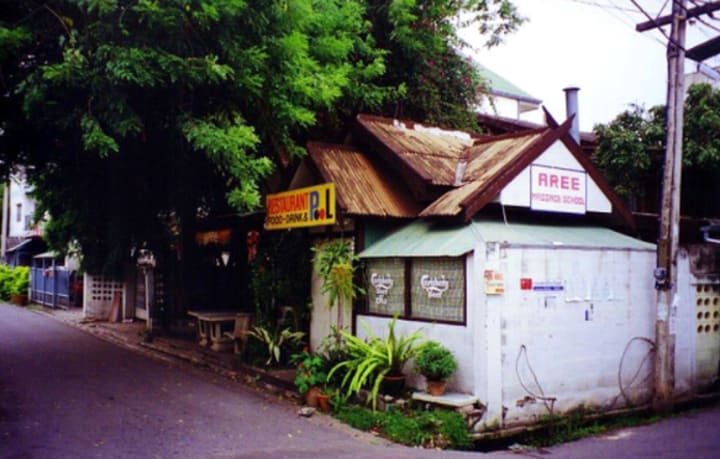
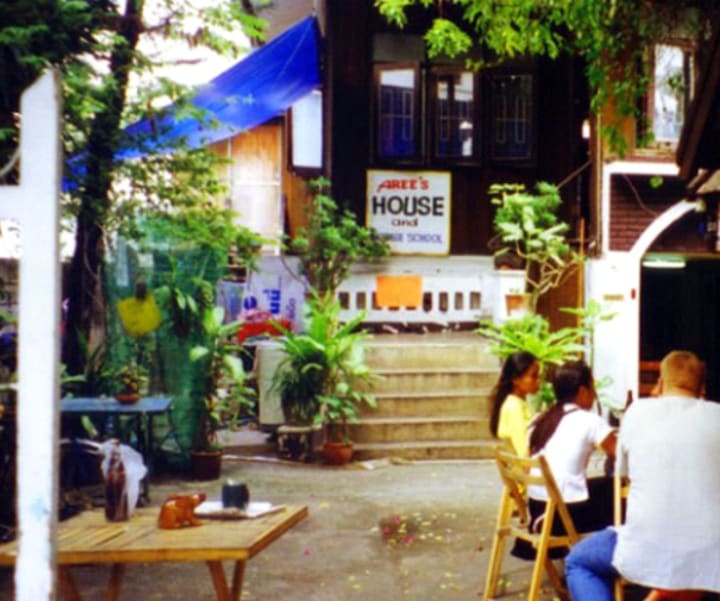
The Aree primarily attracted struggling travelers who couldn’t afford accommodations elsewhere. Young, inexperienced, and looking for a budget-friendly option, Kirsty decided the guesthouse would be sufficient for her stay in the city.
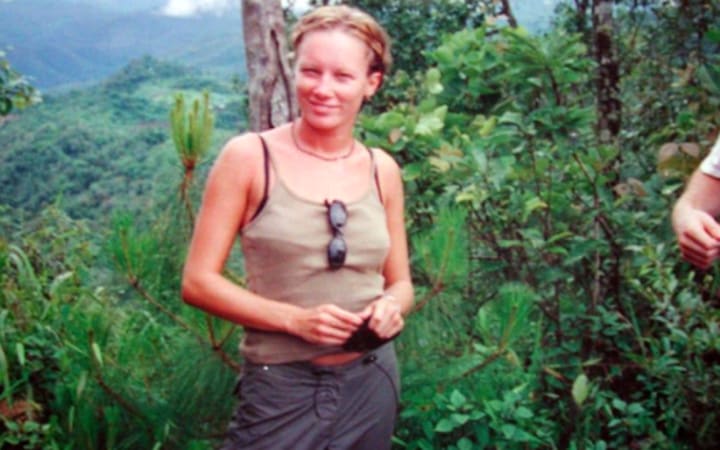
On 9th August 2000, Kirsty settled into her ground-floor room at the Aree. At least eight other people were staying in the guesthouse that night, including the 33 year old owner, a British expat named Andrew Gill.
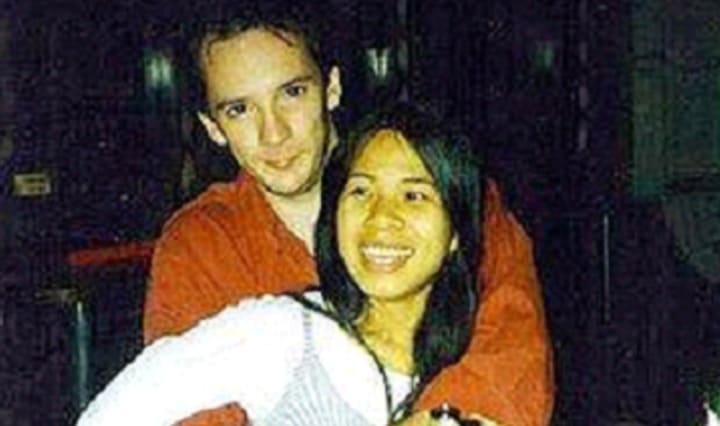
Also present that night was the Thai manager, Surin Chanpranet, who ran a massage school on the guesthouse’s upper floor.
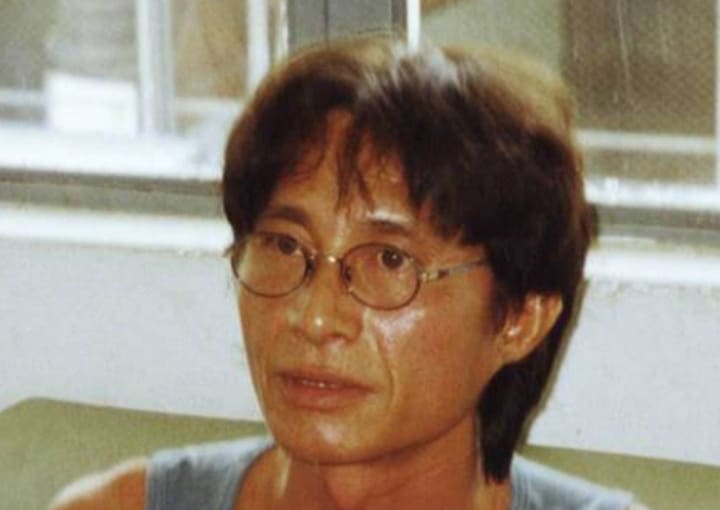
The other known residents who were staying in the guesthouse that night were:
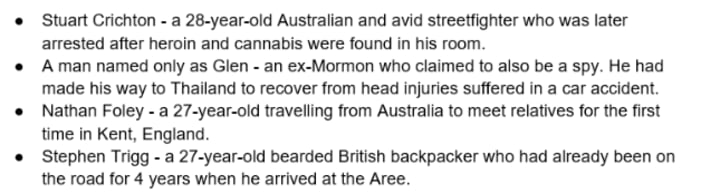
In total, there were 6 foreigners and 2 Thai men in the building with Kirsty.
Stephen, Stuart and Glen had been long-term residents of the guesthouse and had been residing there for the past few months.
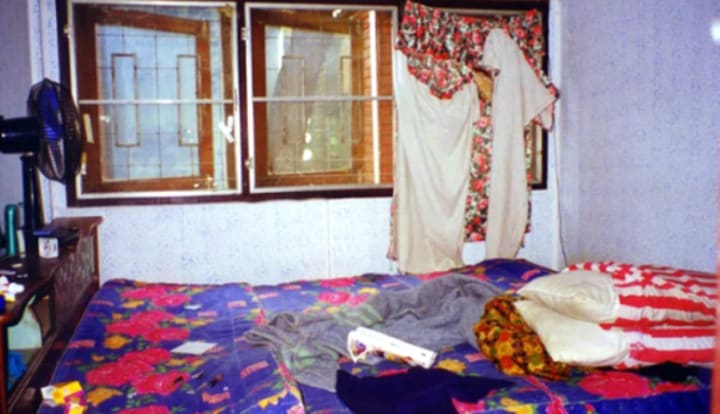
On the first night of her stay, Kirsty had dinner with Nathan Foley, a young traveller en route to England to visit relatives. Afterwards, she returned to her room alone.
In the early hours of 10 August, long-term resident Stephen Trigg heard a commotion coming from Kirsty’s bedroom. He later claimed to have heard her shouting:

After alerting the guesthouse manager, Surin, to the noise, both men went downstairs to investigate. After some discussion, they decided not to enter Kirsty’s room, mistakenly assuming she might simply be involved in a lover’s quarrel.
The next morning, during the usual headcount at breakfast, all the guests were present—except Kirsty. It was only when a maid entered her room that the horrifying truth was revealed…
Laying face down and partially nude, it was clear that Kirsty had been sexually assaulted and strangled. A piece of cloth still wrapped tightly around her neck.
Police were called but by the time they arrived to the scene, several people had already entered the room; including an entire Thai TV news crew.
With news spreading quickly through the community that a deceased foreigner was laying dead inside the Aree, curious locals and journalists had shown up and let themselves into the room.
Journalists had tread over evidence and hindered the crime scene in an attempt to capture the ‘best’ angles for photographs.
By the following day, intrusive photographs of Kirsty’s lifeless body had flooded the Thai media.
As the investigation into her death began, the details of the case grew increasingly murky and suspicious.
It soon emerged that the maid, initially thought to have discovered Kirsty’s body at 4pm, had been coerced into giving a false statement to the police.
In reality, it is believed that manager Surin Chanpranet had found the body five hours earlier. The reasons for the delay in reporting the murder—and why the maid had been pressured to lie—remain unclear.
The delay could have been the result of panic among the guesthouse staff, who suddenly grasped the gravity of the situation and the intense scrutiny the Aree would face so soon after reopening.
…Or it might have been part of a darker, more sinister conspiracy to cover up Kirsty’s death and erase any traces of evidence.
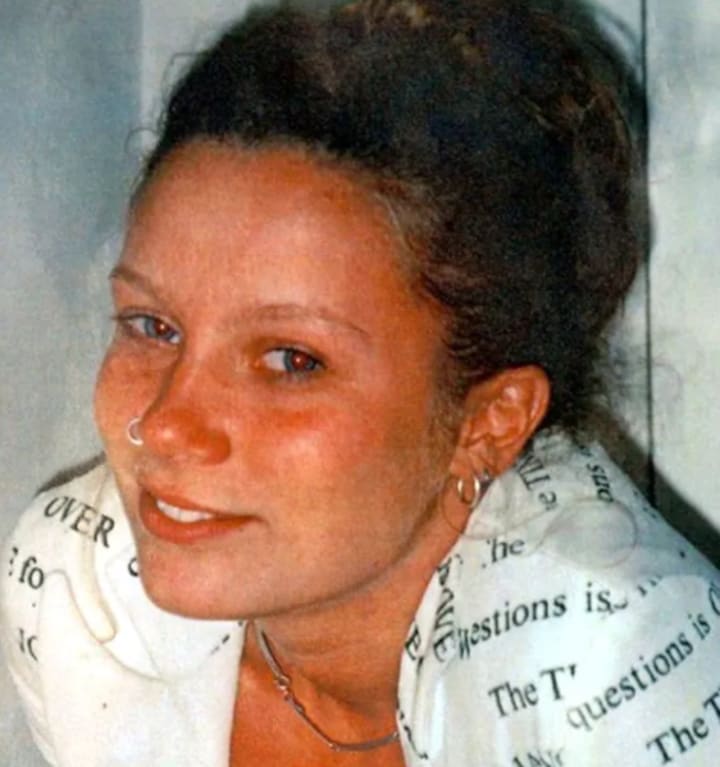
Kirsty’s body was taken for a thorough examination, and semen was recovered—likely belonging to her killer.
By 16th August, police had compiled a list of eight suspects. However, DNA tests failed to link any of them to Kirsty’s murder, leaving the case frustratingly unresolved.
Under intense pressure to solve the high-profile case, police publicly insisted that the killer must be a foreigner, claiming that no Thai national could commit such a brutal act.
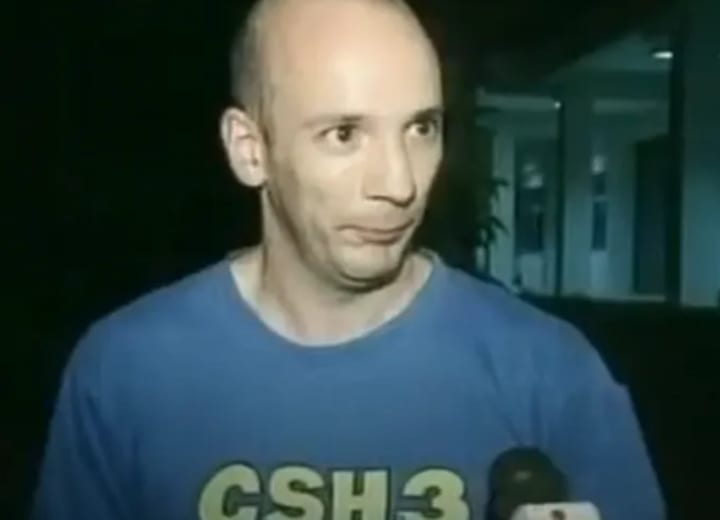
Police soon turned their attention to Andrew Gill, the British owner of the guesthouse. Just two days after Kirsty’s death, the man—who had been living in Thailand for 12 years—seemingly vanished.
He was eventually tracked down to a bar in Chiang Mai and arrested, despite DNA tests proving he was not a match to the sample recovered from the crime scene.
When questioned, Andrew explained that he had gone into hiding because his visa had been expired for the past two years, and he feared police would discover this. He was later fined 2,000 baht (£33) for the visa violation and faced deportation to the UK. Police, however, initially intended to press ahead with the murder charge.
Andrew had purchased the Aree after selling his home in Andorra and had become well-known in Chiang Mai, particularly among British expatriates living in the area. Following his arrest, friends rallied to his defence, bringing him food and water at the police station.
After two months in custody, Andrew was released when multiple witnesses confirmed seeing him drinking in local bars at the time of Kirsty’s murder. Frustrated, the police were forced to acknowledge that there was simply no case against him.
The next suspect to draw police attention was 34 year old Burmese tour guide Abraham Narong.
Abraham had first met Kirsty just days before she checked into the Aree, while she was part of a group of nine backpackers on a three-day hike southwest of the city.
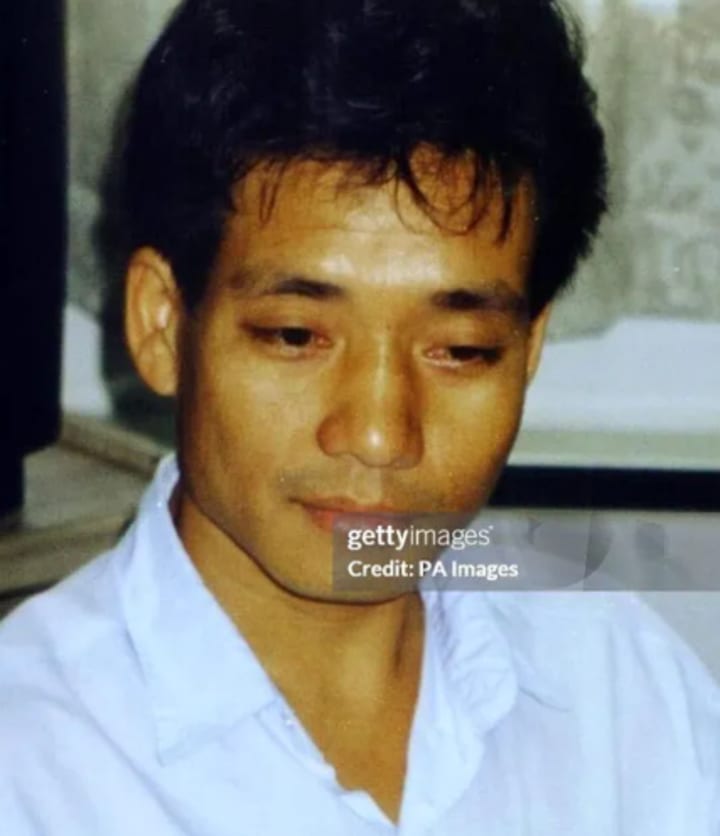
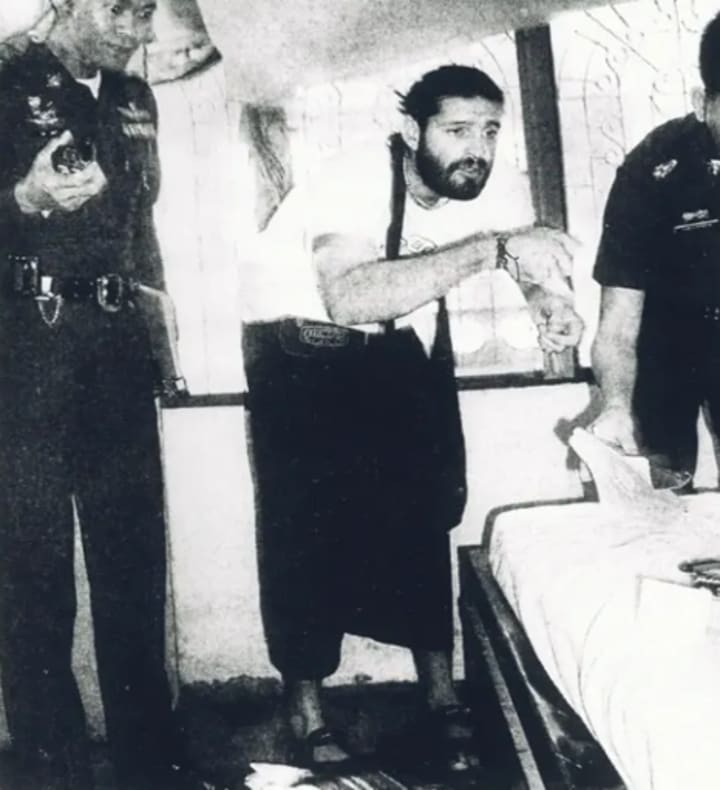
Upon his arrest, Abraham was the victim of police brutality. He was taken to a private home and beaten in an effort to force a confession.
A sperm sample was also demanded from Abraham, but after he refused, he was subjected to a sexual assault by his interrogators — something he would later tell a news crew in a televised interview.
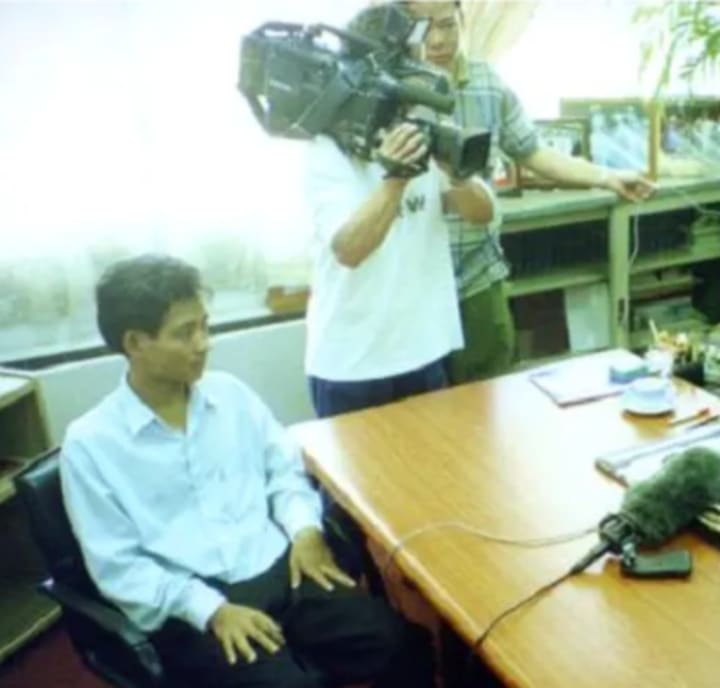
This led to speculation that, in their desperation to close the case, police may have attempted to create a scapegoat—potentially contaminating Kirsty’s remains with Abraham’s semen to frame him for the murder.
After other Burmese tour guides staged a protest in the streets, drawing the attention of foreign journalists, Abraham was released. Police reportedly drove him to a Chiang Mai street and left him there, later issuing a full apology for his mistreatment.
From that point onward, any hope of apprehending Kirsty’s killer began to fade.

Kirsty’s body was flown home to Brecon, and her funeral was held on 25th August 2000.
In the years since, her friends and family have continually pressured both UK and Thai authorities to keep the search for her killer alive. Welsh police have travelled to Thailand on multiple occasions to assist their Thai counterparts, but despite these efforts, no further arrests have been made.
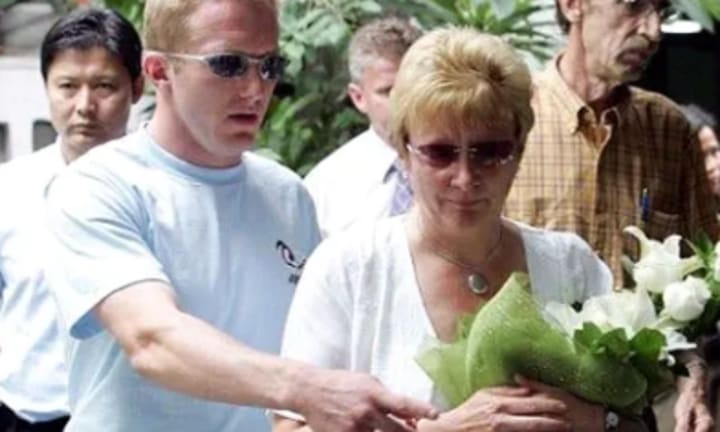
In 2005, Kirsty’s mother, Sue, and her brother, Gareth, visited the Aree Guesthouse to lay flowers at the last place Kirsty had stayed. Sue expressed cautious optimism, stating that she believed the answers still lay in the DNA evidence.
The following year, then UK Prime Minister Tony Blair personally contacted Thai Prime Minister Thaksin Shinawatra, urging authorities to take a closer look at the case. In response, Thai officials were compelled to reveal that DNA testing had confirmed Kirsty’s killer was, in fact, a Thai national.

The most recent lead in the case came from a YouTube video titled “Murder of Welsh Tourist Covered Up by Thai Tourist Police.”
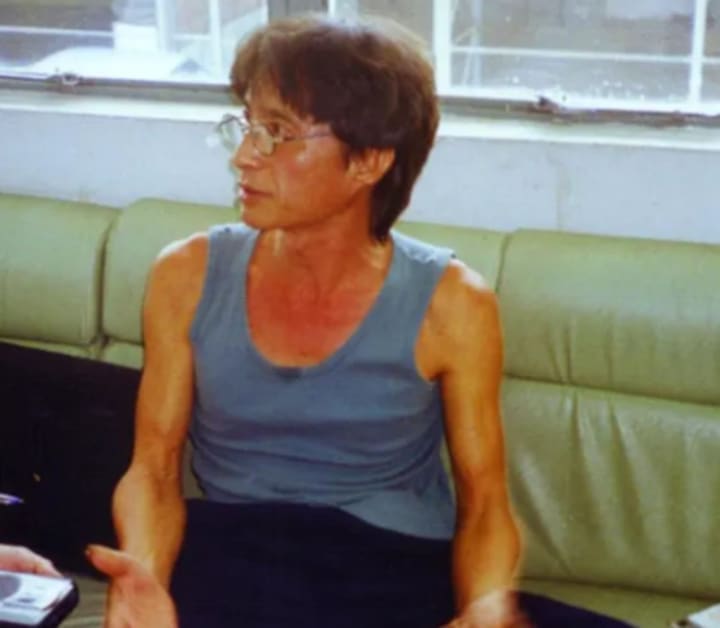
Created by an unnamed Australian, the video called on Thai authorities to investigate a Thai professor employed at Chiang Mai University. According to the video, the professor had been seen near the Aree Guesthouse around the time of Kirsty’s murder and was reportedly the younger brother of a police inspector involved in the case.
Welsh police forwarded the tip to Thai authorities, but no response was ever received.
In 2012, Kirsty’s mother travelled to Thailand once again, making an impassioned public appeal for any information that could help bring her daughter’s killer to justice.
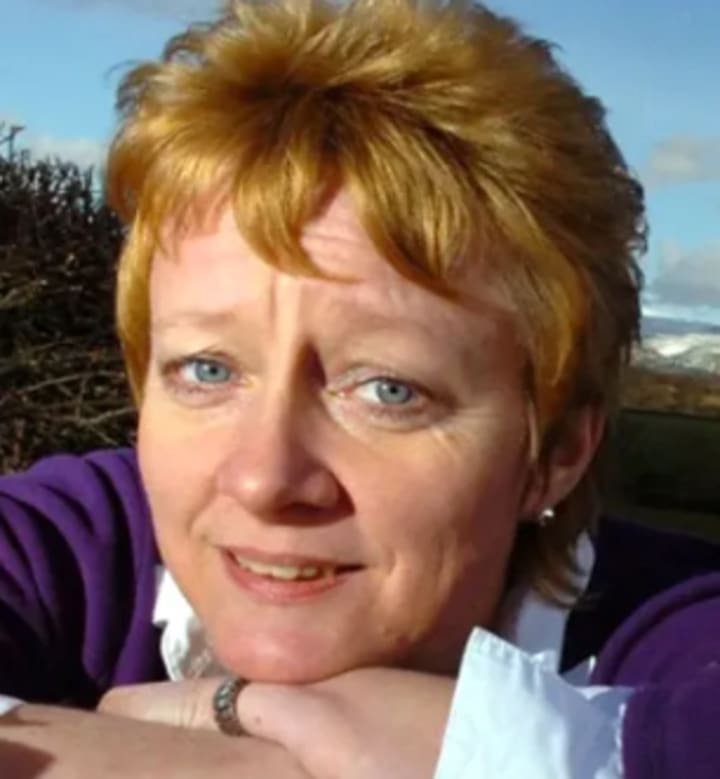
A £10,000 reward has been offered for information leading to an arrest, but so far it has failed to produce any new suspects or generate actionable leads.
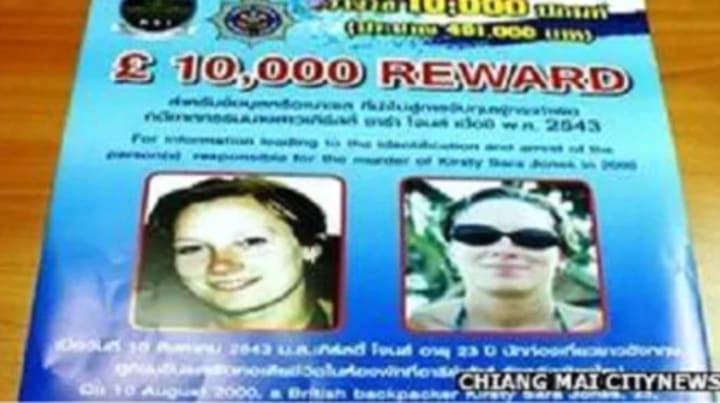
To the disappointment of Kirsty’s family and the UK police, who had long hoped to see justice served, the statute of limitations expired in August 2020, and Thai authorities officially closed the case.
Even if her killer is ever identified, he can no longer be charged with the crime.
About the Creator
Matesanz
I write about history, true crime and strange phenomenon from around the world, subscribe for updates! I post daily.
Follow on Ko-Fi: https://ko-fi.com/matesanz
NIST's Collection of 10,000 Fingerprints
NIST’s fingerprint dataset SD 302 includes 10,000 fingerprint images, including this one from the sticky side of a postage stamp. The dataset is now fully annotated, with details such as the colorized regions shown on the right. The colors, which represent regions of differing quality, will help train both humans and machine learning algorithms how to distinguish identifying features and weigh their importance as evidence. Credit: B. Hayes/NIST
By Frank Racioppi5 days ago in Criminal


Comments
There are no comments for this story
Be the first to respond and start the conversation.