
Middle East Power Realignment
How Energy Routes, Nuclear Tensions, and Global Politics Are Reshaping the Region

Middle East Power Realignment
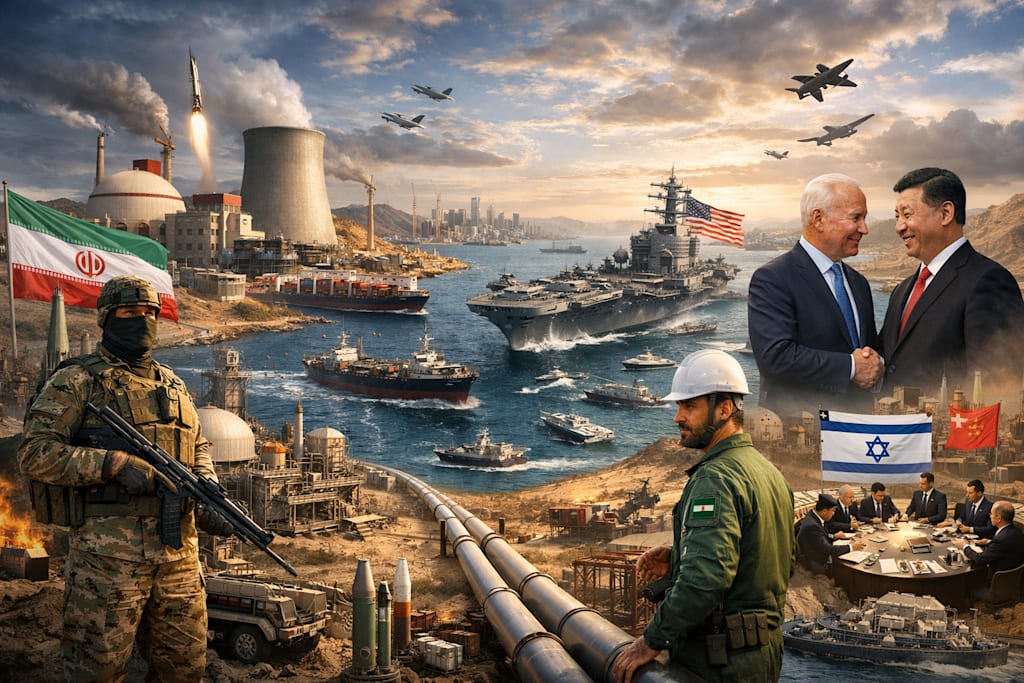
The Middle East is undergoing a major geopolitical transformation. Energy routes, nuclear tensions, and shifting alliances are changing the balance of power in ways that could influence global politics for decades. Countries in the region are not only competing for influence but also redefining strategic partnerships, security frameworks, and economic priorities.
One of the most critical factors in this transformation is the strategic position of Iran. Iran sits at the crossroads of major energy routes and has long played a significant role in regional security dynamics. Its proximity to the Strait of Hormuz makes it a key player in global oil transportation. Any tension involving Iran directly affects oil prices and global markets.
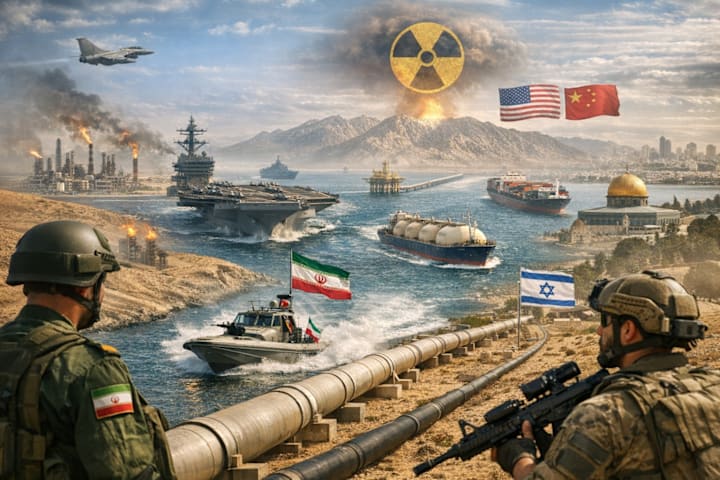
At the same time, Saudi Arabia is expanding its economic and strategic ambitions. The country is investing in infrastructure, alternative pipelines, and diversification of export routes. These efforts aim to reduce dependency on vulnerable maritime chokepoints and ensure uninterrupted oil supply to global markets.
Meanwhile, Israel is emerging as a potential energy transit hub. With access to the Mediterranean Sea, Israel could play a crucial role in connecting Middle Eastern energy resources to Europe. This possibility has sparked discussions about new pipeline routes and infrastructure projects.
Another major influence is the involvement of global powers. The United States continues to maintain military presence and diplomatic influence in the region. However, its role is evolving as other countries step forward. China is expanding economic ties, investing in infrastructure, and promoting diplomatic solutions. This shift reflects the emergence of a multipolar world order.
Nuclear concerns add another layer of complexity. Iran’s nuclear program remains a central issue in international negotiations. Western countries worry about uranium enrichment levels and potential military implications. Diplomacy, sanctions, and negotiations continue, but tensions remain high.
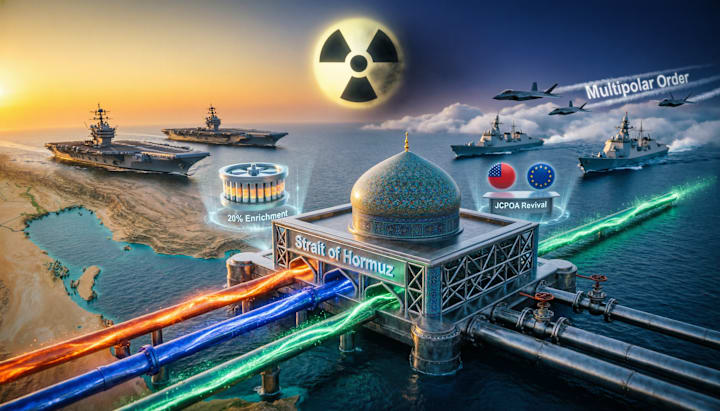
Historical lessons also shape current strategies. Since World War II, nuclear capability has been viewed as both a deterrent and a risk. Countries carefully calculate their moves to avoid escalation while protecting their strategic interests.
Energy security is another driving force behind regional changes. Europe, facing supply challenges, is looking for stable sources. Alternative routes from the Middle East could provide long-term solutions. This has increased the importance of land-based pipelines and regional cooperation.
Military dynamics are also evolving. Countries are strengthening defense systems, modernizing forces, and building alliances. Naval activity in the Persian Gulf has increased, and strategic exercises are becoming more frequent. These moves aim to ensure preparedness without triggering direct conflict.
Economic cooperation is also growing alongside competition. Infrastructure projects, trade agreements, and energy partnerships are linking countries in new ways. These collaborations could reduce tensions by creating shared interests.
Media and public perception play a significant role in shaping geopolitical narratives. Global coverage influences how events are interpreted and how governments respond. Information has become a strategic tool alongside military and economic power.
Despite rising tensions, diplomatic solutions remain possible. Negotiations, confidence-building measures, and regional dialogues could prevent escalation. Many countries prefer stability because conflict would disrupt trade, energy supplies, and economic growth.
The future of the Middle East will likely depend on three factors: energy routes, nuclear diplomacy, and global power competition. Each of these elements is interconnected, and changes in one area influence the others.
The region is no longer defined solely by conflict. It is also becoming a hub of economic opportunity, infrastructure development, and strategic cooperation. However, risks remain, and careful diplomacy is essential.
As global attention remains focused on the Middle East, decisions made today will shape the future of international politics. Whether through cooperation or competition, the region will continue to play a central role in global stability.
The next decade may determine whether the Middle East becomes a zone of conflict or a bridge of cooperation. The world is watching closely — because the stakes are global. 🌍⚡
About the Creator
Wings of Time
I'm Wings of Time—a storyteller from Swat, Pakistan. I write immersive, researched tales of war, aviation, and history that bring the past roaring back to life
Keep reading
More stories from Wings of Time and writers in Chapters and other communities.
Iran Nuclear Tensions and the Global Power Shift
Iran Nuclear Tensions and the Global Power Shift The geopolitical landscape of the Middle East is entering a new and dangerous phase as concerns grow over Iran’s nuclear program, potential military escalation, and shifting global alliances. Discussions among diplomats, military analysts, and international media increasingly revolve around one critical question: Is the world moving toward a new confrontation centered on Iran’s nuclear ambitions?
By Wings of Time about 15 hours ago in Chapters
Life will find a way
One cocoon twitches; my screaming must have disturbed it. It’s followed by a sound like the shaking of a cobra’s tail. A dry rattle sends a shiver down my spine. The rest of the cocoons respond the same way, as if communicating with one another; the cave fills with rattling. The glow becomes stronger as they vibrate and bathes the cave floor in an eerie blue light.
By N J Delmas15 days ago in Chapters
The Inner Shadow
The sounds of so many different tones and pitches, all coming from different directions and all from the one big room. I’m definitely not used to this. Stood around a high table, I take a sip of my coffee, it’s disgusting but I drink it anyway.
By Charmaine Abrahams7 days ago in Chapters


Comments
There are no comments for this story
Be the first to respond and start the conversation.