
8 Books About Artificial Intelligence Everyone Should Read in 2026
Discover 8 Must-Read Books About Artificial Intelligence Everyone Should Read in 2026


Artificial Intelligence is no longer a distant concept reserved for science fiction—it’s shaping how we work, think, create, and even make decisions. From recommendation systems to self-driving cars, AI is woven into the fabric of our daily lives. But with this rapid evolution comes an urgent question: how do we truly understand AI beyond the headlines?
Below is a list of 8 books about artificial intelligence everyone should read in 2026.
1. Hello World — Hannah Fry
Hannah Fry explores how algorithms influence our daily lives, from healthcare decisions to criminal justice systems. She highlights both the benefits and limitations of relying on automated systems, showing where human judgment still matters. Through engaging stories and real-world examples, Fry reveals how algorithms can be biased, misunderstood, or misused. The book encourages readers to think critically about when to trust machines and when to question them. It’s an accessible and thought-provoking read for anyone interested in the intersection of AI, society, and human decision-making.
2. Superintelligence — Nick Bostrom
Nick Bostrom explores the future of artificial intelligence and the possibility of machines surpassing human intelligence. The book examines different pathways through which superintelligence could emerge and the potential risks associated with it. Bostrom raises important philosophical and ethical questions about control, safety, and alignment with human values. Rather than focusing on technical details, he emphasizes long-term implications and global consequences. This thought-provoking work has influenced policymakers and technology leaders, making it essential reading for those interested in the future impact of AI and the challenges of managing powerful intelligent systems.
3. Life 3.0 — Max Tegmark
Max Tegmark presents a compelling vision of a future shaped by artificial intelligence. He introduces the concept of three stages of life: biological, cultural, and technological, arguing that humanity is entering a new era driven by AI. The book combines science, philosophy, and storytelling to explore how AI could transform jobs, society, and even consciousness itself. Tegmark encourages readers to think critically about how we can guide AI development responsibly. Accessible and engaging, this book is ideal for beginners and anyone curious about the broader implications of AI on humanity’s future.
4. Architects of Intelligence — Martin Ford
Martin Ford brings together insights from some of the world’s leading AI researchers through a series of in-depth interviews. The book features conversations with pioneers who have shaped modern artificial intelligence, offering diverse perspectives on its future, risks, and opportunities. Rather than presenting a single viewpoint, Ford allows experts to share their thoughts on topics like superintelligence, employment, and ethics. This format makes the book engaging and highly informative. It’s particularly valuable for readers who want to hear directly from the minds driving AI innovation and understand the debates shaping its evolution.
5. The Alignment Problem — Brian Christian
Brian Christian examines one of the most critical challenges in AI: ensuring that machines align with human values. Through real-world examples, including biased algorithms in hiring and criminal justice, he demonstrates how AI systems can unintentionally reinforce inequality. The book combines technical insights with ethical analysis, making complex topics accessible to a broad audience. Christian also explores efforts by researchers to solve these issues and build more responsible AI systems. This book is a powerful reminder that technology is not neutral and that human oversight is essential in shaping fair and trustworthy AI.
6. Our Final Invention — James Barrat
James Barrat presents a cautionary perspective on the rapid development of artificial intelligence. He explores the idea that creating superintelligent machines could pose significant risks to humanity if not properly controlled. The book combines interviews with AI experts, scientific research, and speculative scenarios to illustrate potential dangers. Barrat raises concerns about safety, ethics, and unintended consequences, making readers reflect on the long-term implications of AI advancement. This book is particularly relevant for those interested in existential risks and the importance of responsible innovation in artificial intelligence.
7. Artificial Intelligence Basics — Tom Taulli
Tom Taulli provides a beginner-friendly introduction to artificial intelligence, focusing on practical understanding rather than technical depth. The book explains key concepts such as machine learning, natural language processing, and robotics in simple language. Taulli also explores how AI is applied across industries like healthcare, finance, and marketing. What makes this book valuable is its accessibility—it requires no prior knowledge and uses real-world examples to illustrate concepts. It’s perfect for business professionals, students, or anyone curious about how AI works and how it is transforming industries globally.
8. You Are Not a Gadget — Jaron Lanier
Jaron Lanier, a pioneer in virtual reality, offers a critical perspective on digital technologies, including artificial intelligence. While not exclusively about AI, the book examines how algorithms and data-driven systems shape human behavior and creativity. Lanier argues for a more human-centered approach to technology, warning against reducing individuals to data points. His philosophical and cultural insights challenge readers to rethink the role of AI in society. This book is valuable for those who want to explore the broader ethical and human implications of technological advancement.
Conclusion
Artificial Intelligence is not just a tool—it’s a force reshaping our world. By reading these books, we equip ourselves with the knowledge to navigate that transformation thoughtfully and responsibly.
Each title on this list contributes something essential: foundational knowledge, ethical awareness, technical expertise, or human perspective. Together, they form a well-rounded understanding of AI’s present and future.
About the Creator
Diana Meresc
“Diana Meresc“ bring honest, genuine and thoroughly researched ideas that can bring a difference in your life so that you can live a long healthy life.
Keep reading
More stories from Diana Meresc and writers in BookClub and other communities.
7 Books That Improve Critical Thinking and Decision Making
In a world overflowing with information, opinions, and noise, the ability to think critically and make sound decisions has never been more valuable. Every day, we are faced with choices—some trivial, others life-changing. Yet how often do we pause to question our assumptions, evaluate evidence, or recognize our cognitive biases?
By Diana Merescabout 13 hours ago in BookClub
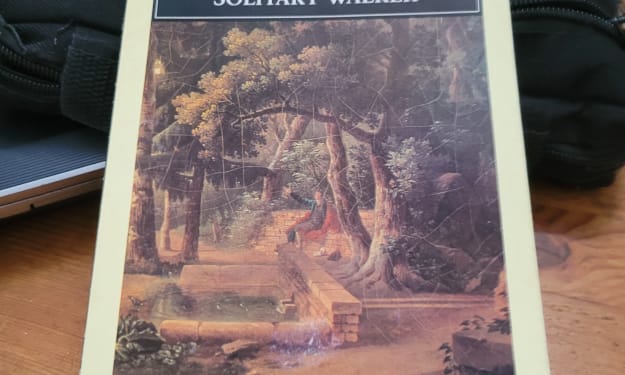
Rousseau's Last Tour
This was a strange comfort to me these last few weeks. Actually, more than a few weeks. I began this book at the beginning of the year, and put it aside as I realized that I was reading not a fictional account of a life, but the very true thoughts of a writer who has put his fingerprints over much of what I know of French thought in that era.
By Kendall Defoe 11 days ago in BookClub
A Journey from Failure to Success
Failure is often seen as the end of the road, a sign that dreams are too big or efforts are not enough. However, in reality, failure is not the opposite of success—it is a crucial part of it. Every successful person has faced setbacks, disappointments, and moments of doubt. What separates them from others is their determination to rise again. The journey from failure to success is not easy, but it is one of the most powerful and inspiring transformations a person can experience.
By shaoor afridi5 days ago in BookClub
Scones
Alright, let's not fuck about - here is what you need: Ingredients: 350g self raising flour 90g butter pinch of salt tsp of baking powder 3 tbsp caster sugar (or just normal white sugar would probably be fine) 175ml milk a squeeze of lemon a drop of vanilla an egg fresh strawberries, if they're in season Extra flour Even more flour Dried fruit (I consider this completely optional and usually leave it out)
By L.C. Schäfer4 days ago in Feast


Comments
There are no comments for this story
Be the first to respond and start the conversation.