
The Thunder God Bass Solo That Rewrote Rock
John Entwistle The Who's "The Real Me"

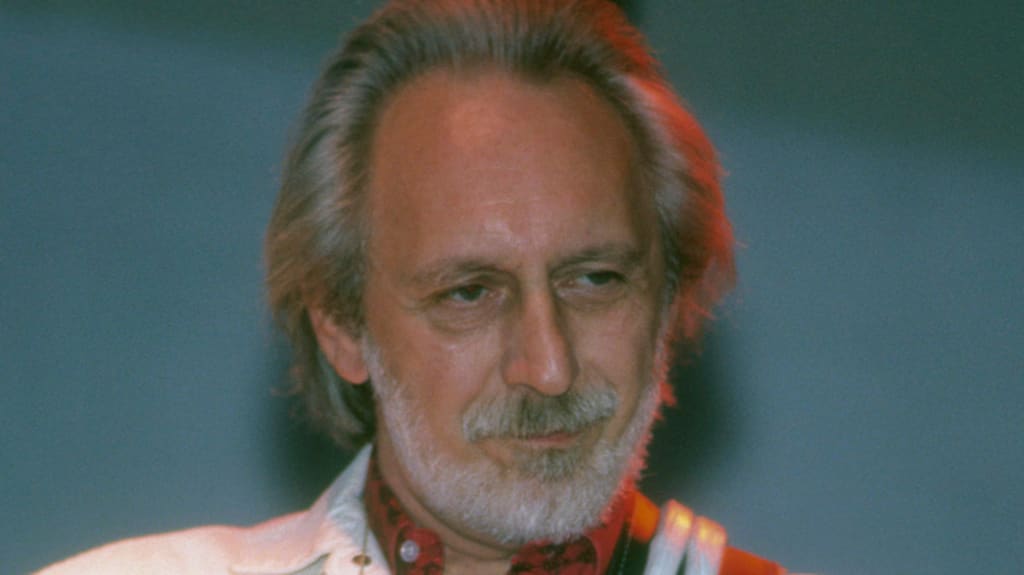
I’ve loved the bass guitar for as long as I can remember. When I was a kid, that low rumble grabbed me in a way nothing else did. But let’s be honest — guitar players always seem to get the spotlight. Maybe it’s the flashy solos, the windmills, the poses. Meanwhile, the bass is expected to stay in the back and behave.But why? Who decided the bass can’t take a solo? Who wrote that rule?
Because there are bass solos… and then there’s John Entwistle on “The Real Me.”
Most musicians have heard it. Very few have actually listened to it. And almost no one fully grasps what they’re hearing: the greatest bass solo ever captured in a rock song — a moment so explosive and so technically unreal that it still sounds ahead of its time fifty years later.
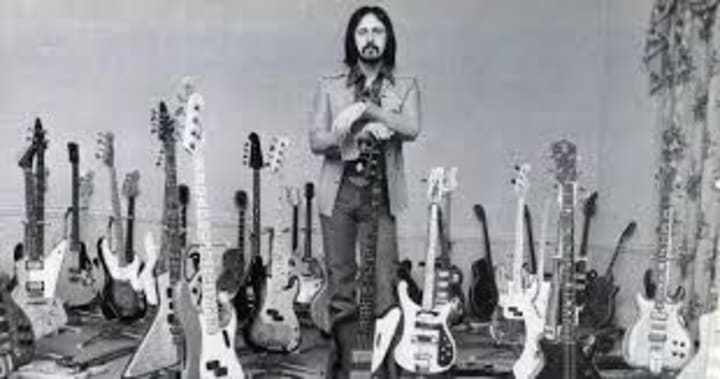
What makes it even more incredible is that rock music almost never gives the bass any room to shine. The instrument is usually the anchor, the foundation, the quiet hero. But Entwistle was never built for the background. He was a force — a classically trained brass player turned rock renegade — who treated the bass like a lead instrument with the punch of a freight train.
And on “The Real Me,” he let it all loose.
The Story Behind the Storm
When The Who went into the studio to record Quadrophenia, Pete Townshend had written this massive, emotional epic. But Entwistle walked in with a different mission: push the bass into territory nobody had dared touch.
He practiced obsessively — not to get faster, but to get cleaner. He wanted every note to hit with the precision of a horn section and the attack of a drummer. His warm‑ups were the kind of thing that made other players starerapid‑fire chromatic bursts, spider‑finger independence drills, brass‑style tonguing patterns adapted to his right hand hours of playing without an amp to build finger strength until they felt like steel cables
He wasn’t chasing speed. He was chasing clarity.
By the time he stepped into the studio for “The Real Me,” he was a weapon.
The Solo That Wasn’t Supposed to Be a Solo
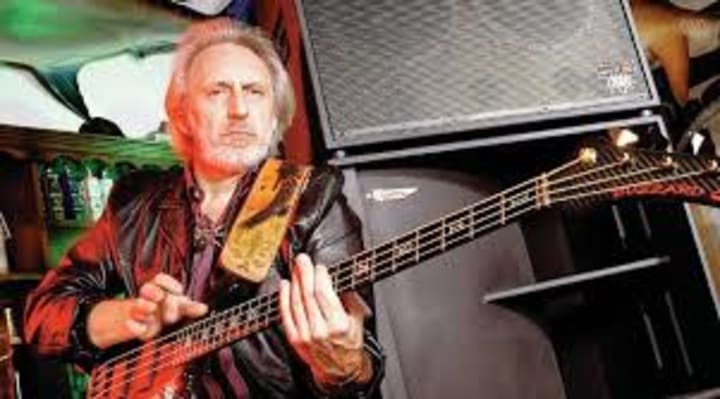
Here’s the crazy part: Entwistle didn’t sit down and “record a bass solo.”He played a bass part so aggressive, so melodic, so completely unhinged that it became the solo.
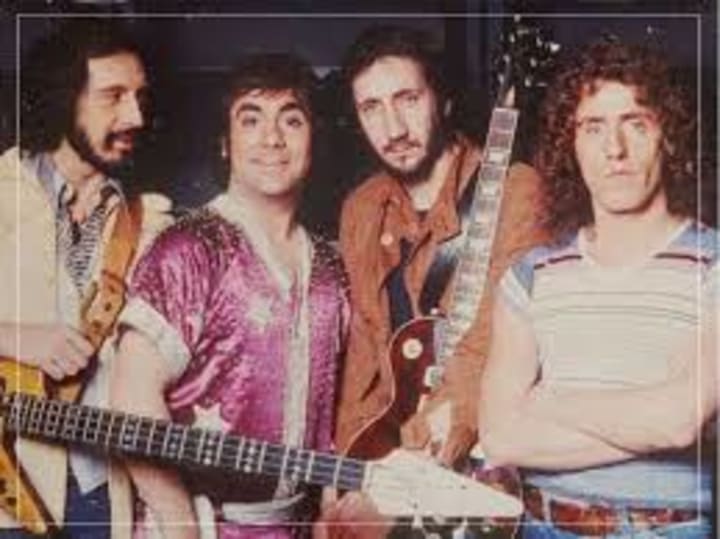
Townshend later admitted that Entwistle’s playing was so dominant that the guitar was almost unnecessary. The bass wasn’t supporting the song — it was dragging the entire band behind it like a runaway locomotive.
The solo section doesn’t even announce itself. No cue. No spotlight. No warning. Just Entwistle exploding into a storm of sixteenth‑note runs, sliding double‑stops, and rhythmic punches that feel like a boxer working the ribs. His tone — that snarling, overdriven, piano‑wire growl — slices through the mix like a chainsaw wrapped in velvet.
It’s not just fast.It’s not just loud.It’s alive.
Why This Solo Is a Masterpiece
1. It’s melodic and rhythmic at the same time
He’s not filling space — he’s creating counter‑melodies. Every run pushes the harmony, answers the vocals, or builds tension. He’s soloing and holding down the groove at once, which almost no bassist can pull off.
2. The tone is revolutionary
That clanky, aggressive, almost distorted sound wasn’t an accident. Entwistle dialed in a tone that let the bass behave like a lead instrument. He refused to be buried in the mix.
3. It’s technically absurd
Fingerstyle at that speed, with that clarity, on flatwounds, through a rig that could knock down a wall — it shouldn’t be possible. Yet he makes it sound effortless.
4. It’s rare
Rock music doesn’t hand bassists solos. The instrument is too essential to the foundation. But Entwistle didn’t wait for permission. He took the spotlight by force.
The Forgotten Thunder
Somehow, despite its brilliance, the “The Real Me” solo doesn’t get talked about enough. Guitarists have their lists. Drummers have their legends. Bassists? They whisper Entwistle’s name like a secret.
It’s time to stop whispering.
John Entwistle didn’t just play a great bass solo.He redefined what the bass could be.He proved the low end could roar, sing, and lead with the power of a hurricane.
“The Real Me” is the moment the bass guitar broke free — not as support, but as thunder incarnate.
About the Creator
Music Stories
Ex music executive who discovers artist and writes about music.
Keep reading
More stories from Music Stories and writers in Beat and other communities.
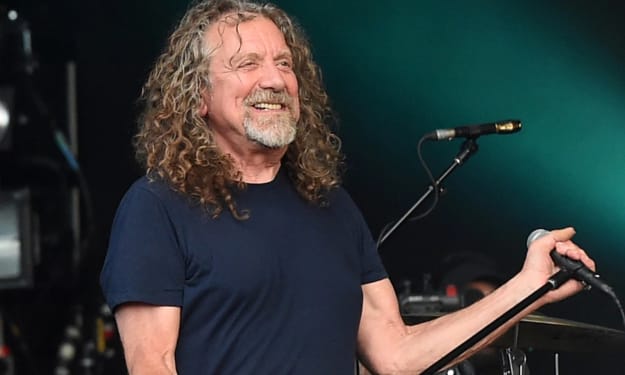
Robert Plant: Voice That Echoed Through Generations
Some voices do more than sing. They carry emotion, memory, and a sense of time that never fully fades. Robert Plant is one of those rare voices. For decades, his music has stayed with listeners, not only because of its power, but because of its honesty. From the early days of rock to quieter, more reflective work later in life, Robert Plant has never remained still. His journey has moved through loud stages, silent moments, and personal changes that shaped his sound. Many people first knew him for his energy and presence. Over time, they began to notice something deeper. His voice did not just perform songs. It told stories. To understand Robert Plant, you have to listen beyond the music and feel the life behind it.
By Muqadas khan6 days ago in Beat



Comments
There are no comments for this story
Be the first to respond and start the conversation.